
BLOG
Choosing the Right Market Trolley Casters: A Comprehensive Guide
2024-12-05
When it comes to market trolley casters, selecting the right components is crucial for ensuring smooth mobility, stability, and longevity. Market trolleys, widely used in retail and logistics, require casters that can withstand frequent use and various weights. Understanding the different types of casters and their specifications will help you make informed choices that align with your operational
When it comes to market trolley casters, selecting the right components is crucial for ensuring smooth mobility, stability, and longevity. Market trolleys, widely used in retail and logistics, require casters that can withstand frequent use and various weights. Understanding the different types of casters and their specifications will help you make informed choices that align with your operational requirements.
**Types of Market Trolley Casters**
There are several types of casters available, each designed for specific applications. The most common types include swivel casters, fixed casters, and locking casters. Swivel casters provide great maneuverability, allowing the trolley to navigate tight spaces with ease. Fixed casters, on the other hand, are designed to provide stability and straightforward motion in a single direction. Locking casters combine the benefits of both types, offering the convenience of mobility alongside the safety of a secure lock when stationary.
**Material Matters**
The material used for the caster wheel is another vital consideration. Common materials include rubber, plastic, and metal. Rubber wheels are ideal for indoor use on smooth surfaces, providing excellent grip and shock absorption. For outdoor or uneven surfaces, consider heavy-duty wheels made of polyurethane or pneumatic materials, which provide better traction and durability. Additionally, stainless steel casters are recommended for environments where hygiene is crucial, such as food service areas.
**Load Capacity and Size**
Every market trolley has a specific load capacity, determined by the size and construction of the casters. When selecting market trolley casters, it’s essential to ensure that the total weight the trolley will carry does not exceed the capacity of the casters. A good rule of thumb is to select casters with a load capacity that exceeds your expected weight by at least 25%. The size of the wheels also plays a significant role in performance; larger wheels can roll over obstacles more easily, making them suitable for uneven surfaces.
**Maintenance and Replacement**
To prolong the life of your market trolley casters, regular maintenance is necessary. This involves checking for wear and tear, ensuring that the wheels rotate freely, and lubricating any moving parts. If you notice any signs of damage, it’s crucial to replace the casters promptly to avoid compromising the trolley's functionality.
In conclusion, choosing the right market trolley casters involves understanding the types, materials, load capacity, and maintenance needs. By taking these factors into account, you can ensure that your market trolleys operate efficiently, enhancing productivity while reducing the risk of equipment failure. Selecting quality casters will ultimately lead to smoother operations and greater satisfaction for both employees and customers alike.
Key words:
RELATED NEWS
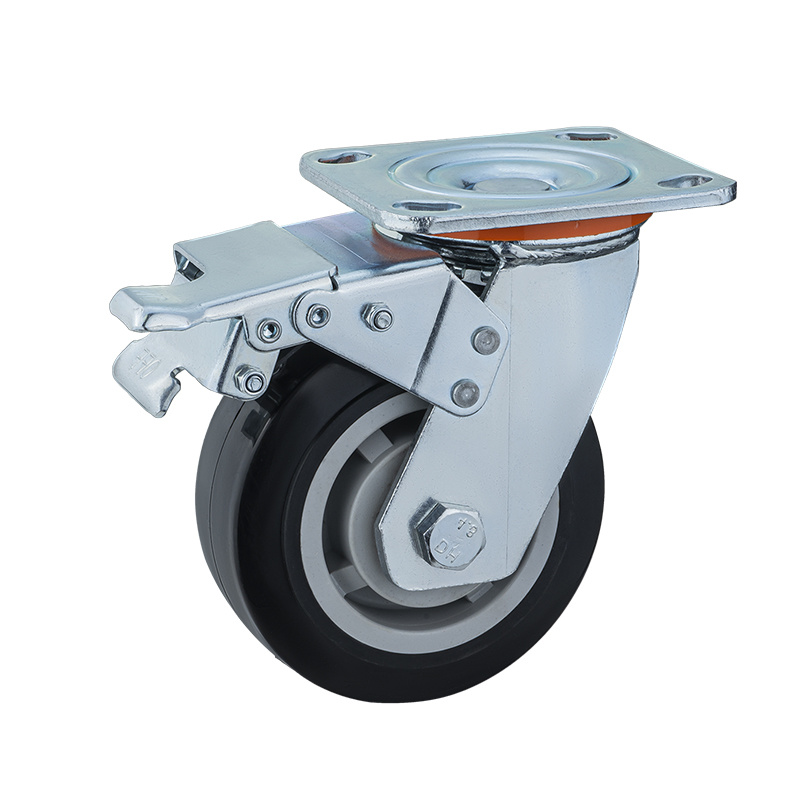
The History and Evolution of Industrial Trolley Casters: A Comprehensive Overview
2025-11-08
The History and Evolution of Industrial Trolley Casters
Introduction to Industrial Trolley Casters
Industrial trolley casters are essential components that facilitate the movement of heavy loads across various industries. From manufacturing to warehousing, these small yet vital tools play a significant role in enhancing efficiency and productivity. Understanding the history and evolution of indust
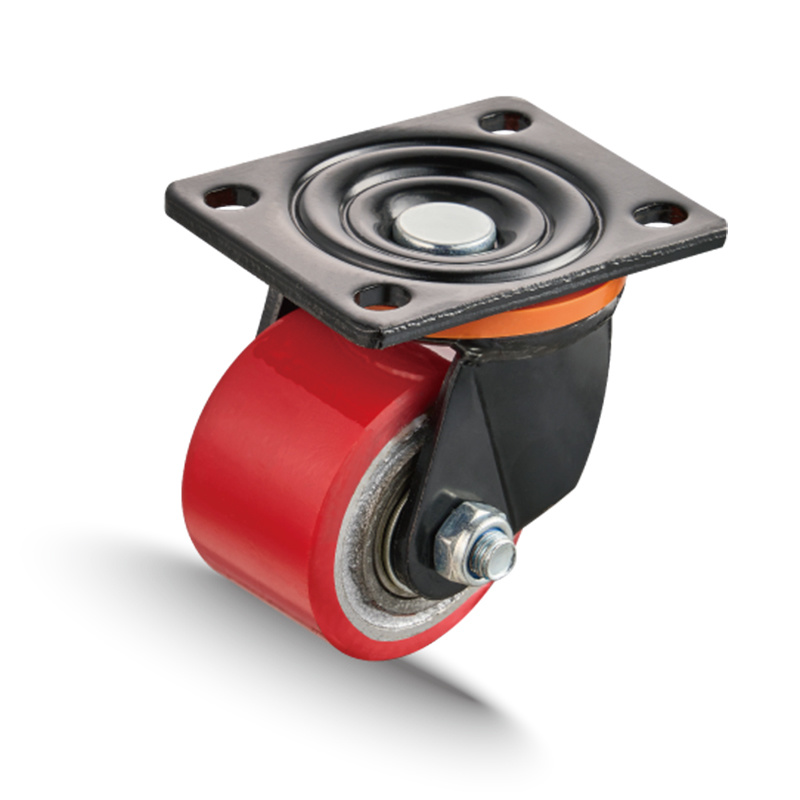
Ultimate Guide to Heavy Duty Leveling Casters: Enhance Stability and Mobility
2025-11-01
When it comes to enhancing the mobility and stability of heavy equipment and furniture, heavy duty leveling casters are an indispensable solution. These robust accessories are designed to support substantial weight while allowing for easy maneuverability. Whether used in industrial settings, workshops, or even in home environments, the right leveling casters can make a significant difference in ef
Innovative Designs in Low Profile Heavy Duty Casters for Modern Applications
2025-10-25
Innovative Designs in Low Profile Heavy Duty Casters for Modern Applications
Table of Contents
Introduction to Low Profile Heavy Duty Casters
Key Features of Modern Low Profile Casters
Design Innovations Shaping the Future
Materials Used in the Manufacturing of Casters
Applications in Various Industries
Benefits of Low Profile Heavy Duty Casters
Maint

CONTACT US


No. 25 Haiwei Road,Xiaolan Town, Zhongshan City. Guangdong,China 528415

Customer message