
BLOG
Low Profile Heavy Duty Casters: The Ultimate Buying Guide for Strength, Durability, and Versatility
2024-12-12
Low Profile Heavy Duty Casters: A Comprehensive Buying Guide
Table of Contents
1. Introduction to Low Profile Heavy Duty Casters
2. Benefits of Choosing Low Profile Casters
3. Types of Low Profile Heavy Duty Casters
3.1 Materials Used in Manufacturing
3.2 Design Variations
4. Understanding Weight Capacity Ratings
5. Mounting Optio
Low Profile Heavy Duty Casters: A Comprehensive Buying Guide
Table of Contents
- 1. Introduction to Low Profile Heavy Duty Casters
- 2. Benefits of Choosing Low Profile Casters
- 3. Types of Low Profile Heavy Duty Casters
- 4. Understanding Weight Capacity Ratings
- 5. Mounting Options for Low Profile Casters
- 6. Maintenance Tips for Longevity
- 7. Applications for Low Profile Heavy Duty Casters
- 8. Tips for Buying Low Profile Heavy Duty Casters
- 9. Frequently Asked Questions
- 10. Conclusion
1. Introduction to Low Profile Heavy Duty Casters
Low profile heavy duty casters are essential components in various industries, providing smooth mobility for heavy equipment and furniture. These casters are designed to bear significant weight while remaining compact, which is particularly beneficial in settings where space is limited. Their unique design not only enhances maneuverability but also ensures stability, making them a popular choice in industrial, commercial, and residential applications.
2. Benefits of Choosing Low Profile Casters
Choosing low profile heavy duty casters offers numerous advantages. Here are some key benefits:
2.1 Enhanced Stability
Low profile casters lower the center of gravity for the objects they support. This design minimizes the risk of tipping, especially when moving heavy loads.
2.2 Improved Maneuverability
Their compact size allows for easier navigation in tight spaces. This feature is particularly beneficial in warehouses, workshops, and small retail environments.
2.3 Versatility in Applications
Low profile casters are suitable for a wide range of applications, from industrial equipment to office furniture, making them a versatile choice for various needs.
3. Types of Low Profile Heavy Duty Casters
When considering low profile heavy duty casters, it’s essential to understand the different types available.
3.1 Materials Used in Manufacturing
Casters are made from various materials, each offering specific benefits:
- Polyurethane: Provides a smooth ride and is resistant to wear, making it suitable for both indoor and outdoor use.
- Rubber: Offers excellent shock absorption, making it ideal for delicate floors.
- Steel: Known for its strength and durability, steel casters are perfect for heavy industrial applications.
- Plastic: Lightweight and cost-effective, plastic casters are suitable for lighter applications.
3.2 Design Variations
Low profile casters come in different designs, including:
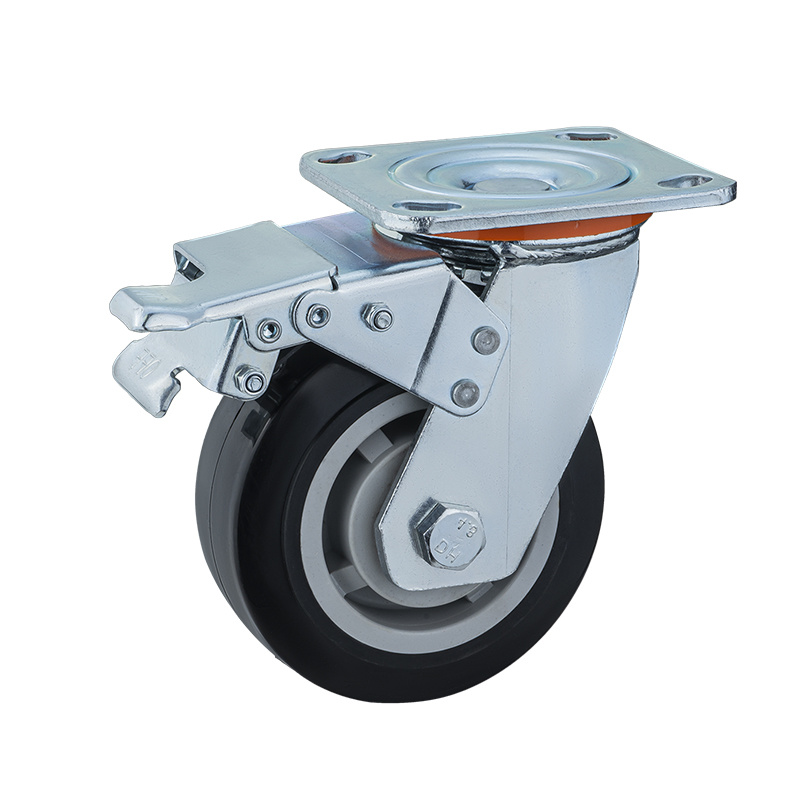
- Swivel Casters: Allow for 360-degree rotation, providing excellent maneuverability.
- Rigid Casters: Offer straight-line movement, ideal for applications where direction change is minimal.
- Brake Casters: Come equipped with brakes to prevent movement when stationary, ensuring added safety.
4. Understanding Weight Capacity Ratings
Weight capacity is a critical factor when selecting low profile heavy duty casters. Each caster has a specific weight rating, which indicates the maximum load it can safely carry.
4.1 Calculating Total Load
To determine the right caster for your needs, calculate the total weight of the equipment it will support. Ensure that the combined weight does not exceed the individual caster ratings multiplied by the number of casters.
5. Mounting Options for Low Profile Casters
The mounting option of a caster influences its application and installation. Common mounting options include:
5.1 Plate Mounting
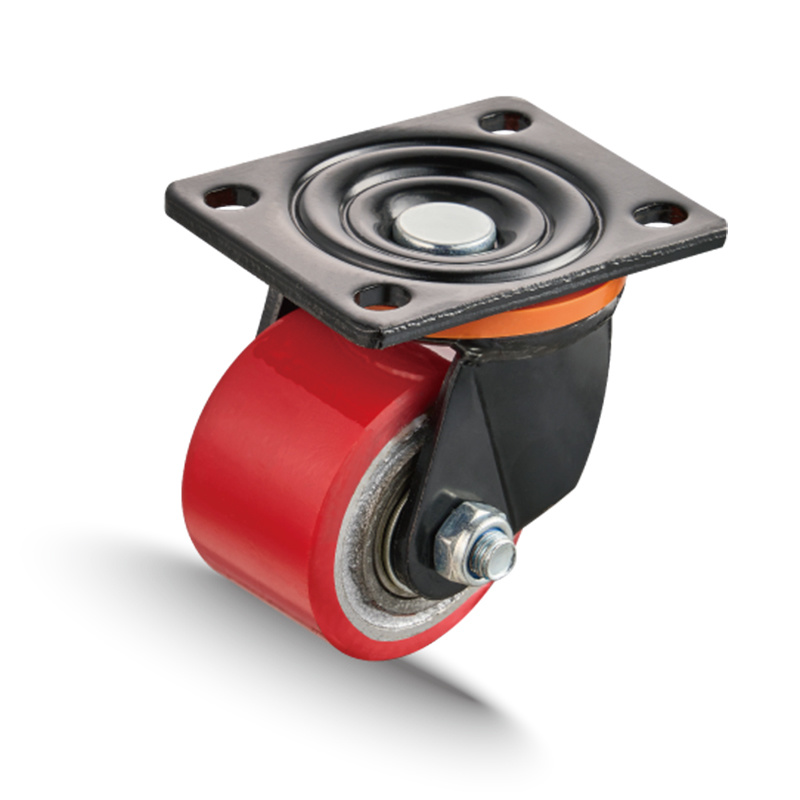
This method uses a flat plate to attach the caster to the furniture or equipment. It is widely used for its ease of installation and stability.
5.2 Stem Mounting
Stem-mounted casters fit into a pre-drilled hole, providing a secure connection. This option is perfect for items that require frequent repositioning.
6. Maintenance Tips for Longevity
To ensure the longevity and performance of your low profile heavy duty casters, follow these maintenance tips:
6.1 Regular Cleaning
Keep casters clean by removing debris and dirt that may hinder their movement. Use a damp cloth and mild detergent for cleaning.
6.2 Lubrication
Apply lubricant to the swivel mechanisms and bearings periodically to maintain smooth operation.
6.3 Inspection
Regularly inspect casters for any signs of wear or damage. Replace casters that show significant wear to ensure safety and functionality.
7. Applications for Low Profile Heavy Duty Casters
Low profile heavy duty casters are incredibly versatile and can be used in various applications, including:
7.1 Industrial Equipment
Used in factories to move heavy machinery and tools efficiently while minimizing floor damage.
7.2 Office Furniture
Ideal for office chairs, desks, and filing cabinets, allowing for easy mobility and flexibility in the workspace.
7.3 Medical Equipment
Essential in hospitals and clinics for moving medical carts, beds, and equipment, ensuring easy access and mobility.
7.4 Retail Displays
Facilitates the movement of product displays, making it easier for retailers to rearrange their store layouts.
8. Tips for Buying Low Profile Heavy Duty Casters
When purchasing low profile heavy duty casters, consider the following factors:
8.1 Assess Your Needs
Evaluate the specific requirements of your application, including load capacity, terrain, and mobility needed.
8.2 Compare Brands
Research different brands and manufacturers to find reliable options that meet your quality expectations.
8.3 Look for Reviews
Read customer reviews to gauge the performance and durability of the casters you are considering.
8.4 Warranty and Return Policies
Check for warranties and return policies to ensure you have options if the casters do not meet your expectations.
9. Frequently Asked Questions
9.1 What is the weight capacity of low profile heavy duty casters?
The weight capacity varies by model but typically ranges from 500 to over 2000 pounds per caster, depending on the construction and materials used.
9.2 Can low profile casters be used on carpets?
Yes, but it’s essential to choose casters designed for carpeted surfaces to ensure smooth mobility and prevent damage.
9.3 How do I install low profile heavy duty casters?
Installation methods vary depending on the type of mounting. Generally, both plate and stem mounted casters can be installed using basic tools, such as screws or bolts.
9.4 Are brake casters necessary?
Brake casters are not mandatory but provide added safety by preventing unwanted movement, especially when dealing with heavy loads.
9.5 How can I tell if my casters need replacement?
Signs of wear, such as wobbling, squeaking, or difficulty in movement, indicate that it’s time for a replacement.
10. Conclusion
In conclusion, low profile heavy duty casters are invaluable tools that enhance mobility and stability across various applications. Understanding their features, benefits, and how to choose the right ones for your needs will ensure you make informed decisions. By considering factors like weight capacity, material, and design, you’ll be well-equipped to select the best casters for your specific projects. With proper maintenance and care, these casters can offer long-lasting performance, making them a smart investment for any workspace.
Key words:
RELATED NEWS
The History and Evolution of Industrial Trolley Casters: A Comprehensive Overview
2025-11-08
The History and Evolution of Industrial Trolley Casters
Introduction to Industrial Trolley Casters
Industrial trolley casters are essential components that facilitate the movement of heavy loads across various industries. From manufacturing to warehousing, these small yet vital tools play a significant role in enhancing efficiency and productivity. Understanding the history and evolution of indust
Ultimate Guide to Heavy Duty Leveling Casters: Enhance Stability and Mobility
2025-11-01
When it comes to enhancing the mobility and stability of heavy equipment and furniture, heavy duty leveling casters are an indispensable solution. These robust accessories are designed to support substantial weight while allowing for easy maneuverability. Whether used in industrial settings, workshops, or even in home environments, the right leveling casters can make a significant difference in ef
Innovative Designs in Low Profile Heavy Duty Casters for Modern Applications
2025-10-25
Innovative Designs in Low Profile Heavy Duty Casters for Modern Applications
Table of Contents
Introduction to Low Profile Heavy Duty Casters
Key Features of Modern Low Profile Casters
Design Innovations Shaping the Future
Materials Used in the Manufacturing of Casters
Applications in Various Industries
Benefits of Low Profile Heavy Duty Casters
Maint

CONTACT US


No. 25 Haiwei Road,Xiaolan Town, Zhongshan City. Guangdong,China 528415

Customer message