
BLOG
Rolling Towards Efficiency: The Inner Workings of Industrial Casters
2025-01-04
Introduction: A Smooth Roll
Ever found yourself in a bustling warehouse, watching hundreds of items glide effortlessly from one end to another? Chances are, those smooth moves are thanks to industrial casters. These nifty little inventions are more than just wheels – they’re the unsung heroes of material handling!
What Are Industrial Casters?
Before we dive into the nitty-gritty, let’s break it down. An industrial caster is essentially a wheel or a set of wheels that allows for the easy movement of heavy objects. From carts and dollies to hospital beds and factory equipment, these wheels are the backbone of mobility in various sectors.
The Mechanics Behind the Magic
Now, you might be wondering, how do these wheels work their magic? Well, it all boils down to some fundamental principles of physics and engineering. When it comes to industrial casters, three key components play a vital role:
1. Wheel Design
The design of the wheel itself is critical. Made from materials like rubber, polyolefin, or even steel, the right choice depends on the surface it’ll roll on and the weight it’ll bear. For instance, rubber wheels are ideal for smooth surfaces, while steel wheels are the go-to for heavy-duty applications.
2. Swivel Mechanism
Ever tried maneuvering a heavy cart? A swivel mechanism allows the caster to rotate 360 degrees, making it easier to steer. This feature is particularly crucial in tight spaces where turning is a challenge. Just think about it – you’re not just pushing; you’re gliding!
3. Load Capacity
Every industrial caster comes with a load capacity rating. This indicates how much weight the caster can handle safely. Exceeding this limit? That’s a big no-no! It could lead to wheel failure, and we definitely don’t want a runaway cart causing chaos!
Types of Industrial Casters
Just like a toolbox, industrial casters come in various types, each designed for specific applications. Here’s a quick rundown:
- Rigid Casters: These don’t swivel, providing stability in straight lines and are perfect for heavy loads.
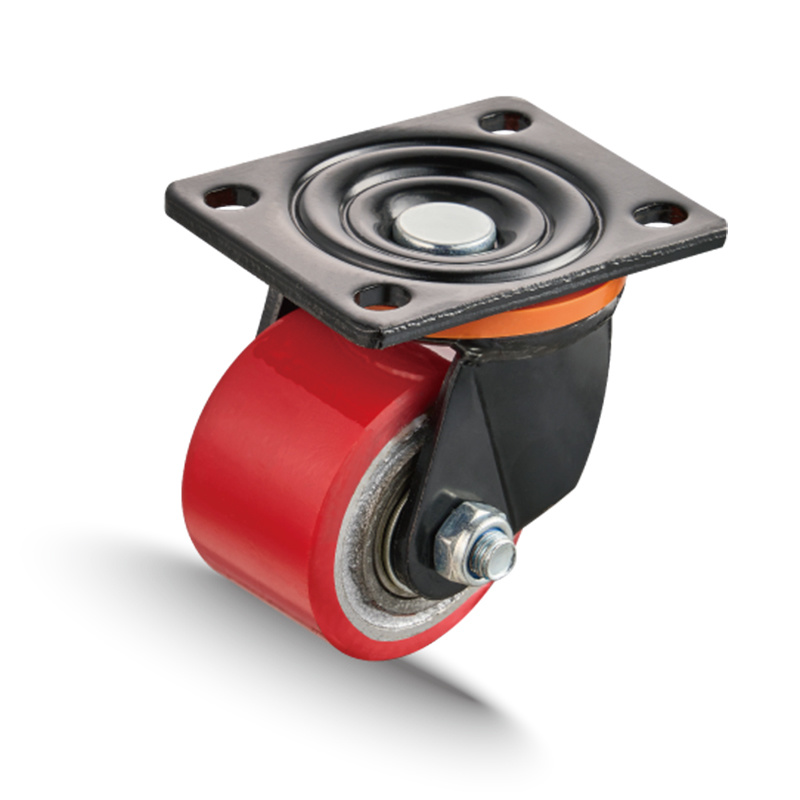
- Swivel Casters: Highly maneuverable, they allow for easy turning and are ideal for carts.
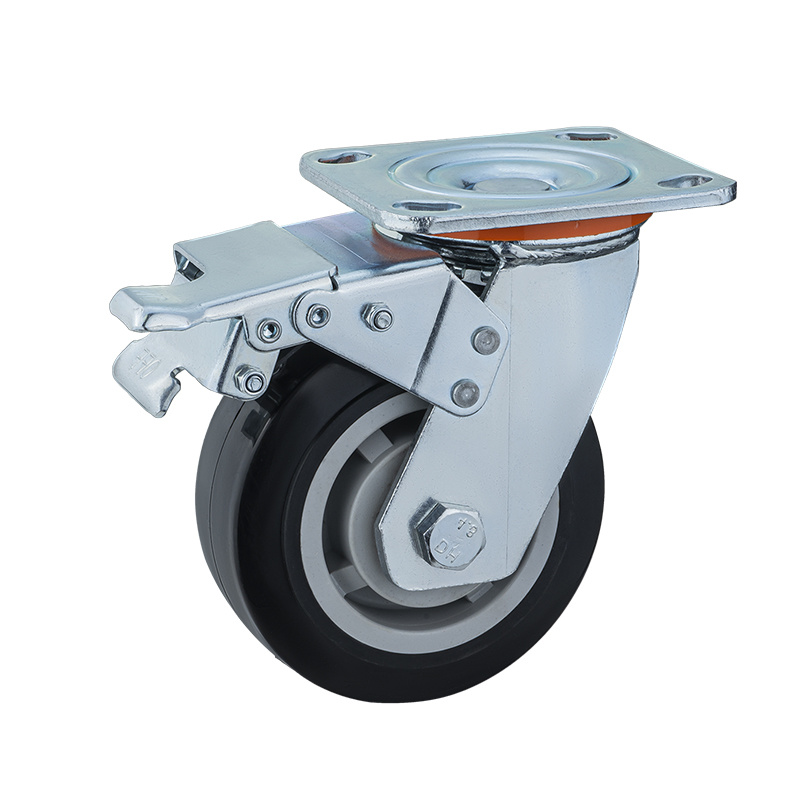
- Braked Casters: Equipped with brakes, these are essential when you need to keep equipment stationary.
- Heavy-Duty Casters: Built to bear the brunt of hefty loads, these are the workhorses of industrial settings.
Applications of Industrial Casters
You name it, industrial casters probably have a hand (or wheel) in it! From hospitals where they support medical equipment to manufacturing plants where they facilitate the movement of heavy machinery, these casters are everywhere. They’re also prevalent in retail settings, helping to streamline the stocking process.
Maintenance: Keeping the Wheels Turning
Like any other piece of equipment, industrial casters require maintenance to keep rolling smoothly. Regular inspections can prevent mishaps. Check for wear and tear, and don’t forget to lubricate the swivel mechanism! After all, a little grease goes a long way in ensuring longevity.
Conclusion: The Unsung Heroes
So there you have it! The next time you see a cart gliding by, remember the incredible role of industrial casters. They may not get the spotlight, but without them, our modern workplaces would grind to a halt. Here’s to the wheels that keep the wheels of industry turning!
Key words:
RELATED NEWS
The History and Evolution of Industrial Trolley Casters: A Comprehensive Overview
2025-11-08
Ultimate Guide to Heavy Duty Leveling Casters: Enhance Stability and Mobility
2025-11-01
Innovative Designs in Low Profile Heavy Duty Casters for Modern Applications
2025-10-25

CONTACT US


No. 25 Haiwei Road,Xiaolan Town, Zhongshan City. Guangdong,China 528415

Customer message