
BLOG
Heavy Duty Casters: A Smart Investment for Your Equipment
2025-01-14
Heavy Duty Casters: A Smart Investment for Your Equipment
Table of Contents
Understanding Heavy Duty Casters
Benefits of Heavy Duty Casters
Types of Heavy Duty Casters
Rigid vs. Swivel Casters
Braked Casters
Pneumatic Casters
Applications of Heavy Duty Casters
Selecting the Right Caster for Your Needs
Maintenance a
Heavy Duty Casters: A Smart Investment for Your Equipment
Table of Contents
- Understanding Heavy Duty Casters
- Benefits of Heavy Duty Casters
- Types of Heavy Duty Casters
- Applications of Heavy Duty Casters
- Selecting the Right Caster for Your Needs
- Maintenance and Care Tips for Heavy Duty Casters
- Safety Considerations When Using Heavy Duty Casters
- Conclusion
Understanding Heavy Duty Casters
Heavy-duty casters are designed specifically to support substantial weight and provide enhanced mobility for equipment across various environments. With a robust construction, these casters can withstand the rigors of industrial applications while ensuring smooth movement and stability. They are essential for any business that requires the transportation of heavy loads, whether it's in warehouses, manufacturing plants, or retail spaces.
Benefits of Heavy Duty Casters
Investing in heavy-duty casters offers a multitude of advantages that can significantly improve operational efficiency. Here are some key benefits:
1. Increased Mobility
One of the primary advantages of heavy-duty casters is their ability to facilitate seamless movement of equipment. This enhances workflow, allowing employees to transport items quickly and easily without unnecessary strain.
2. Enhanced Safety
Heavy-duty casters are engineered to provide stability, reducing the risk of accidents associated with transporting heavy loads. By incorporating features such as locking mechanisms, businesses can further ensure safety in the workplace.
3. Durable Construction
Designed to withstand harsh conditions, heavy-duty casters are made from high-quality materials that resist wear and tear. This durability translates into lower replacement costs over time.
4. Versatility in Applications
Heavy-duty casters are suitable for a wide range of applications, from pallet jacks to hospital carts, making them a versatile solution for various industries.
Types of Heavy Duty Casters
Understanding the different types of heavy-duty casters can help you choose the best option for your specific needs.
Rigid vs. Swivel Casters
Rigid casters are fixed and only move in a straight line, offering greater stability for heavy loads. In contrast, swivel casters can rotate 360 degrees, providing enhanced maneuverability, especially in tight spaces. A combination of both types is often ideal for equipment that requires both stability and mobility.
Braked Casters
Braked casters come equipped with a locking mechanism to prevent movement when stationary. This feature is crucial for securing heavy equipment and protecting both the equipment and personnel from accidents.
Pneumatic Casters
Pneumatic casters have air-filled tires that absorb shock and provide a smoother ride over uneven surfaces. They are particularly useful in outdoor or rugged environments, allowing for easy navigation across various terrains.
Applications of Heavy Duty Casters
Heavy-duty casters serve various industries and applications, making them indispensable for many businesses. Here are some common uses:
1. Manufacturing Facilities
In manufacturing settings, heavy-duty casters are used on equipment such as assembly line carts, ensuring the efficient movement of parts and products.
2. Warehousing and Distribution Centers
Casters are crucial in warehouses for pallet jacks, shelving units, and transport carts, enabling swift and efficient product handling.
3. Healthcare
In hospitals and healthcare facilities, heavy-duty casters are found on medical carts and equipment, allowing for easy transportation of supplies and patients.
4. Retail Environments
Retailers utilize heavy-duty casters for display stands, shopping carts, and stock carts, enhancing customer experience through easy mobility.
Selecting the Right Caster for Your Needs
Choosing the right heavy-duty caster involves several considerations:
1. Load Capacity
Assess the total weight that the caster needs to support. Selecting a caster with a load capacity that exceeds your requirements is essential for safety and performance.
2. Surface Type
Consider the surfaces where the casters will be used. Smooth floors may require different types compared to rough, uneven terrains.
3. Environment
Evaluate the environmental conditions, including exposure to chemicals, moisture, or extreme temperatures, to select a caster suitable for those conditions.
4. Wheel Size and Material
The wheel size and material can greatly influence maneuverability and shock absorption. Larger wheels can navigate over obstacles better than smaller wheels.
Maintenance and Care Tips for Heavy Duty Casters
To ensure your heavy-duty casters perform optimally, regular maintenance is essential:
1. Regular Inspections
Conduct routine checks for wear and tear, ensuring that wheels and locking mechanisms are functioning correctly.
2. Cleanliness
Keep casters free from debris and dirt to prevent damage and ensure smooth operation.
3. Lubrication
Periodically lubricate moving parts to reduce friction and extend the lifespan of your casters.
4. Replacement of Worn Parts
Replace any worn or damaged components promptly to maintain safety and efficiency.
Safety Considerations When Using Heavy Duty Casters
Safety is paramount when using heavy-duty casters. Here are some critical safety considerations to keep in mind:
1. Proper Training
Ensure that all employees are trained in the correct use and operation of equipment with heavy-duty casters.
2. Weight Distribution
Maintain proper weight distribution on carts to avoid tipping or losing control during movement.
3. Use Locks When Stationary
Always engage locking mechanisms when the equipment is stationary to prevent accidental movement.
4. Monitor Load Limits
Adhere to load limits specified by the manufacturer to ensure safety and reliability.
Conclusion
Investing in heavy-duty casters is not merely an operational decision but a strategic move that enhances productivity, safety, and mobility across various applications. By understanding the different types, benefits, and maintenance requirements, businesses can make informed choices that lead to long-term savings and efficiency. Whether in manufacturing, healthcare, or retail, the right heavy-duty casters will bolster your equipment’s performance, making them a smart investment for any organization.
RELATED NEWS
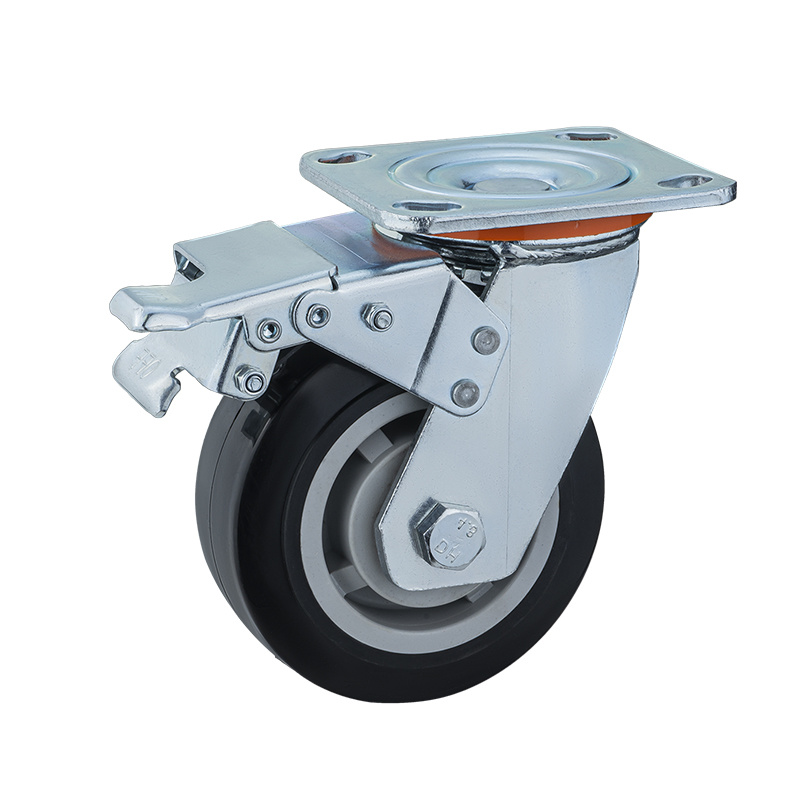
The History and Evolution of Industrial Trolley Casters: A Comprehensive Overview
2025-11-08
The History and Evolution of Industrial Trolley Casters
Introduction to Industrial Trolley Casters
Industrial trolley casters are essential components that facilitate the movement of heavy loads across various industries. From manufacturing to warehousing, these small yet vital tools play a significant role in enhancing efficiency and productivity. Understanding the history and evolution of indust
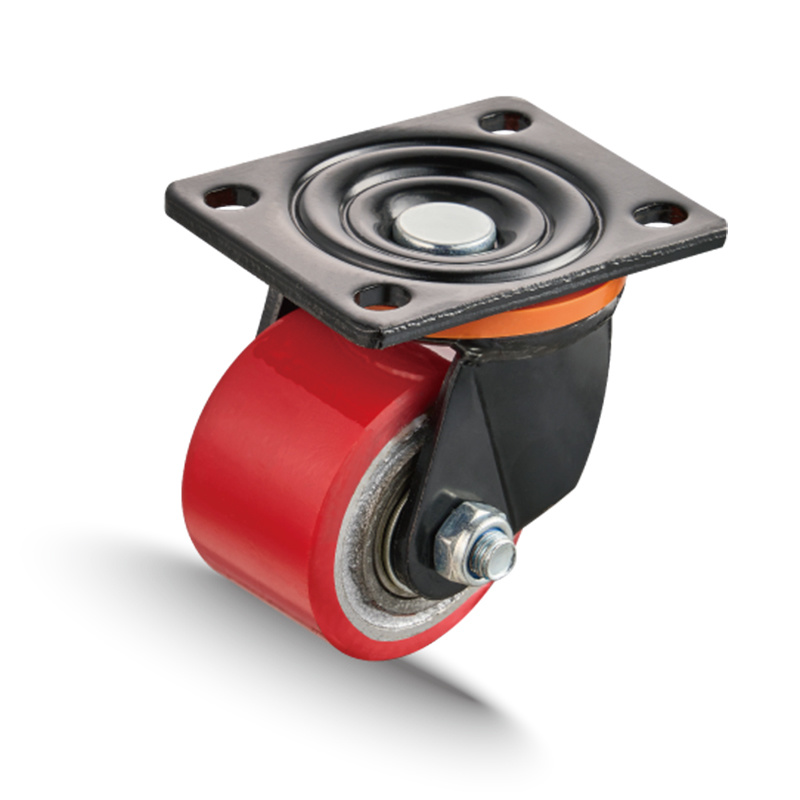
Ultimate Guide to Heavy Duty Leveling Casters: Enhance Stability and Mobility
2025-11-01
When it comes to enhancing the mobility and stability of heavy equipment and furniture, heavy duty leveling casters are an indispensable solution. These robust accessories are designed to support substantial weight while allowing for easy maneuverability. Whether used in industrial settings, workshops, or even in home environments, the right leveling casters can make a significant difference in ef
Innovative Designs in Low Profile Heavy Duty Casters for Modern Applications
2025-10-25
Innovative Designs in Low Profile Heavy Duty Casters for Modern Applications
Table of Contents
Introduction to Low Profile Heavy Duty Casters
Key Features of Modern Low Profile Casters
Design Innovations Shaping the Future
Materials Used in the Manufacturing of Casters
Applications in Various Industries
Benefits of Low Profile Heavy Duty Casters
Maint

CONTACT US


No. 25 Haiwei Road,Xiaolan Town, Zhongshan City. Guangdong,China 528415

Customer message