
BLOG
Essential Insights on Industrial Casters: Enhancing Mobility in Your Operations
2025-01-23
---
In the realm of hardware tools and accessories, industrial casters play a pivotal role in ensuring the smooth and efficient movement of equipment and materials across various settings. These versatile wheels are essential in numerous industries, including manufacturing, logistics, healthcare, and retail. Understanding the features and specifications of industrial casters is crucial for profess
---
In the realm of hardware tools and accessories, industrial casters play a pivotal role in ensuring the smooth and efficient movement of equipment and materials across various settings. These versatile wheels are essential in numerous industries, including manufacturing, logistics, healthcare, and retail. Understanding the features and specifications of industrial casters is crucial for professionals looking to optimize their operational workflows.
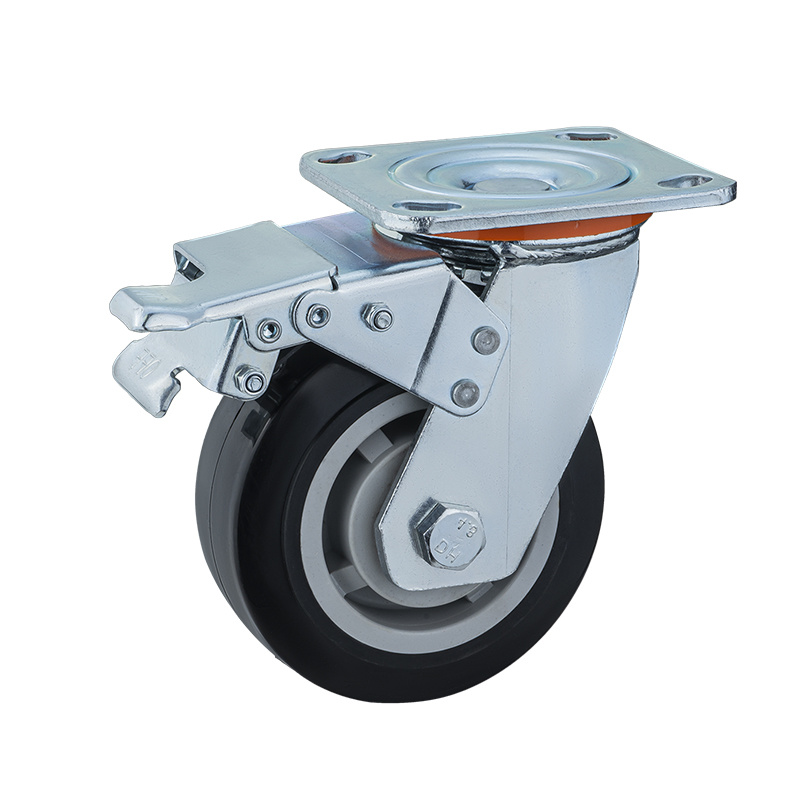
Industrial casters come in a variety of types, each designed for specific applications. The primary classifications include rigid casters, which provide stability and control, and swivel casters, which offer enhanced maneuverability. Depending on the operational requirements, businesses may choose a combination of both types to achieve optimal performance. Load capacity, wheel size, and mounting options are key factors that should be considered when selecting industrial casters to ensure they meet the demands of the task at hand.
The materials used in constructing industrial casters significantly influence their durability and performance. Common materials include rubber, polyolefin, and nylon. Rubber casters are renowned for their shock absorption and noise reduction, making them ideal for environments where quiet operation is crucial. Polyolefin casters, on the other hand, are resistant to chemicals and moisture, making them suitable for industrial applications. Meanwhile, nylon casters are lightweight and provide excellent resistance to wear, making them a popular choice for lighter loads.
Another critical aspect to consider is the environment in which the casters will be used. For instance, casters designed for outdoor use may need to withstand exposure to harsh weather conditions, while those used in cleanroom settings must comply with strict hygiene standards. Ensuring that the casters are appropriately rated for specific applications can prevent premature wear and costly downtimes.
In addition to performance considerations, the design and ergonomics of industrial casters should not be overlooked. Features such as brake systems, locking mechanisms, and swivel options can significantly enhance user experience and safety in the workplace. Implementing casters that are easy to operate and maintain can lead to increased productivity and reduced risk of accidents.
In conclusion, selecting the right industrial casters is a crucial decision for professionals in various sectors. By understanding the types, materials, and applications of casters, businesses can enhance mobility, improve efficiency, and create safer work environments. Investing time in researching and selecting the appropriate industrial casters will yield long-term benefits and support the overall success of operations.
Key words:
RELATED NEWS
The History and Evolution of Industrial Trolley Casters: A Comprehensive Overview
2025-11-08
The History and Evolution of Industrial Trolley Casters
Introduction to Industrial Trolley Casters
Industrial trolley casters are essential components that facilitate the movement of heavy loads across various industries. From manufacturing to warehousing, these small yet vital tools play a significant role in enhancing efficiency and productivity. Understanding the history and evolution of indust
Ultimate Guide to Heavy Duty Leveling Casters: Enhance Stability and Mobility
2025-11-01
When it comes to enhancing the mobility and stability of heavy equipment and furniture, heavy duty leveling casters are an indispensable solution. These robust accessories are designed to support substantial weight while allowing for easy maneuverability. Whether used in industrial settings, workshops, or even in home environments, the right leveling casters can make a significant difference in ef
Innovative Designs in Low Profile Heavy Duty Casters for Modern Applications
2025-10-25
Innovative Designs in Low Profile Heavy Duty Casters for Modern Applications
Table of Contents
Introduction to Low Profile Heavy Duty Casters
Key Features of Modern Low Profile Casters
Design Innovations Shaping the Future
Materials Used in the Manufacturing of Casters
Applications in Various Industries
Benefits of Low Profile Heavy Duty Casters
Maint

CONTACT US


No. 25 Haiwei Road,Xiaolan Town, Zhongshan City. Guangdong,China 528415

Customer message