
BLOG
Maintenance Tips for Longevity of Your Industrial Trolley Casters
2025-02-07
Maintenance Tips for Longevity of Your Industrial Trolley Casters
Understanding the Importance of Industrial Trolley Casters
Industrial trolley casters play a crucial role in various sectors, including manufacturing, warehousing, and logistics. They facilitate the smooth movement of heavy loads, contributing significantly to operational efficiency. Ensuring the longevity of these essential compone
Maintenance Tips for Longevity of Your Industrial Trolley Casters
Understanding the Importance of Industrial Trolley Casters
Industrial trolley casters play a crucial role in various sectors, including manufacturing, warehousing, and logistics. They facilitate the smooth movement of heavy loads, contributing significantly to operational efficiency. Ensuring the longevity of these essential components is vital for maintaining workflow efficiency and minimizing equipment downtime.
What Are Industrial Trolley Casters?
Industrial trolley casters are wheels mounted on a frame designed for easy movement of carts, trolleys, and other heavy equipment. They come in various types, including fixed casters, swivel casters, and heavy-duty casters, each suited for different applications and weight capacities. Understanding their design and purpose is fundamental to implementing effective maintenance strategies.
Why Maintenance Matters
Regular maintenance of industrial trolley casters prevents premature wear and tear, reduces the risk of unexpected failures, and extends the life of both the casters and the equipment they support. This proactive approach contributes to safety, efficiency, and cost-effectiveness in operations.
Key Maintenance Tips for Industrial Trolley Casters
1. Regular Inspections
Routine inspections are essential for identifying potential issues before they escalate. Look for signs of wear, such as cracks, chips, and deformities in the wheel and frame. Pay attention to the following aspects during your inspections:
Check the Wheel Condition
Inspect the wheels for any signs of wear or damage. The tread should be smooth and free of debris, while the wheel itself should spin freely without wobbling.
Examine the Axles and Bearings
The axle and bearing assembly is crucial for smooth rotation. Ensure that there is no rust or debris hindering their function. Replace any worn-out components promptly.
2. Proper Lubrication
Lubrication is critical to maintaining the functionality of trolley casters. It reduces friction, prevents wear, and ensures smooth operation.
Select the Right Lubricant
Choose a lubricant suitable for your caster type. Grease is commonly used for heavy-duty applications, while light oil works well for lighter casters. Always refer to the manufacturer’s recommendations.
Lubrication Frequency
Establish a regular lubrication schedule based on usage intensity. High-use environments may require weekly lubrication, while moderate use may necessitate monthly attention.
3. Cleaning and Debris Removal
Debris can accumulate around casters, leading to operational inefficiencies. Regular cleaning helps maintain optimal performance.
Routine Cleaning Schedule
Implement a cleaning schedule that involves wiping down the casters to remove dust, dirt, and grime. Depending on the environment, weekly or bi-weekly cleaning may be appropriate.
Deep Cleaning Techniques
For heavily soiled casters, consider using a brush to scrub away stubborn dirt. If necessary, apply a mild detergent solution and rinse thoroughly to avoid residue buildup.
4. Load Management and Weight Distribution
Excessive weight can lead to premature caster failure. Understanding load capacities and proper weight distribution is essential to extending caster life.
Understanding Load Limitations
Refer to the manufacturer’s specifications for load limits. Ensure that the total weight of the trolley does not exceed these guidelines.
Weight Distribution Techniques
Evenly distribute weight across the trolley to prevent undue stress on any single caster. This practice minimizes the risk of tipping and enhances stability.
5. Wheel Replacement and Upgrades
As casters wear out, timely replacement is necessary to avoid operational issues.
Recognizing When to Replace
Replace casters showing signs of significant wear, such as flat spots or uneven wear patterns. Ignoring these signs can lead to accidents and increased maintenance costs.
Upgrading Caster Types
Consider upgrading to casters with improved materials or designs for enhanced durability. Options such as polyurethane or rubber wheels can provide better performance in various environments.
Environmental Considerations for Caster Maintenance
The environment in which your industrial trolleys operate can significantly affect maintenance needs. Factors such as temperature, humidity, and exposure to chemicals all play a role.
Operating Conditions
Identify specific operating conditions that may impact casters, such as exposure to corrosive materials or extreme temperatures. Adapt maintenance practices accordingly, including more frequent inspections and specialized cleaning.
Storage Solutions
When not in use, store trolleys in a dry, climate-controlled area to prevent rust and material degradation. This practice prolongs the life of both the trolleys and their casters.
Best Practices for Enhancing Caster Longevity
In addition to the aforementioned tips, incorporating best practices into your maintenance routine can further extend the lifespan of your industrial trolley casters.
1. Training Employees
Educating employees on proper handling and maintenance of trolleys can prevent misuse and extend the life of casters. Regular training sessions can highlight the importance of following maintenance protocols.
2. Documenting Maintenance Activities
Keeping a detailed log of inspections, repairs, and maintenance activities can help identify patterns and areas for improvement. This documentation is invaluable for maintaining a systematic approach to caster care.
3. Investing in Quality Casters
Opt for high-quality casters from reputable manufacturers. While they may be more expensive upfront, they often provide better durability and performance, resulting in long-term savings.
Common Questions About Industrial Trolley Caster Maintenance
1. How often should I inspect my trolley casters?
Regular inspections should be conducted at least monthly, with more frequent checks in high-use environments.
2. What type of lubricant is best for my casters?
The ideal lubricant depends on the caster type. Grease is preferred for heavy-duty applications, while light oil is suitable for lighter casters.
3. Can I replace individual casters instead of the whole trolley?
Yes, individual casters can be replaced as long as the new ones are compatible with the existing trolley.
4. What are the signs that my casters need replacement?
Look for cracks, flat spots, or uneven wear patterns, which indicate the need for replacement.
5. How do environmental factors affect caster maintenance?
Environmental factors like moisture, chemicals, and temperature extremes can accelerate wear, necessitating more frequent inspections and specialized care.
Conclusion
Maintaining the longevity of industrial trolley casters is essential for ensuring operational efficiency and safety in various industries. By implementing regular inspections, proper lubrication, and careful load management, you can significantly extend the life of these critical components. Investing time in maintenance not only saves costs in the long run but also enhances productivity and safety. Embrace these maintenance tips to optimize the performance of your industrial trolleys and their casters for many years to come.
Key words:
RELATED NEWS
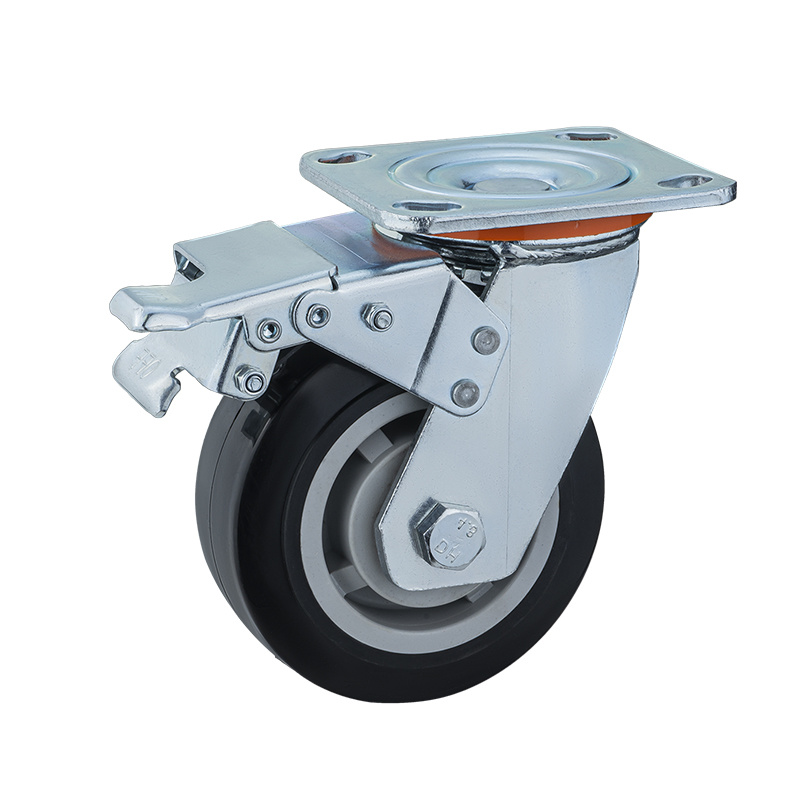
The History and Evolution of Industrial Trolley Casters: A Comprehensive Overview
2025-11-08
The History and Evolution of Industrial Trolley Casters
Introduction to Industrial Trolley Casters
Industrial trolley casters are essential components that facilitate the movement of heavy loads across various industries. From manufacturing to warehousing, these small yet vital tools play a significant role in enhancing efficiency and productivity. Understanding the history and evolution of indust
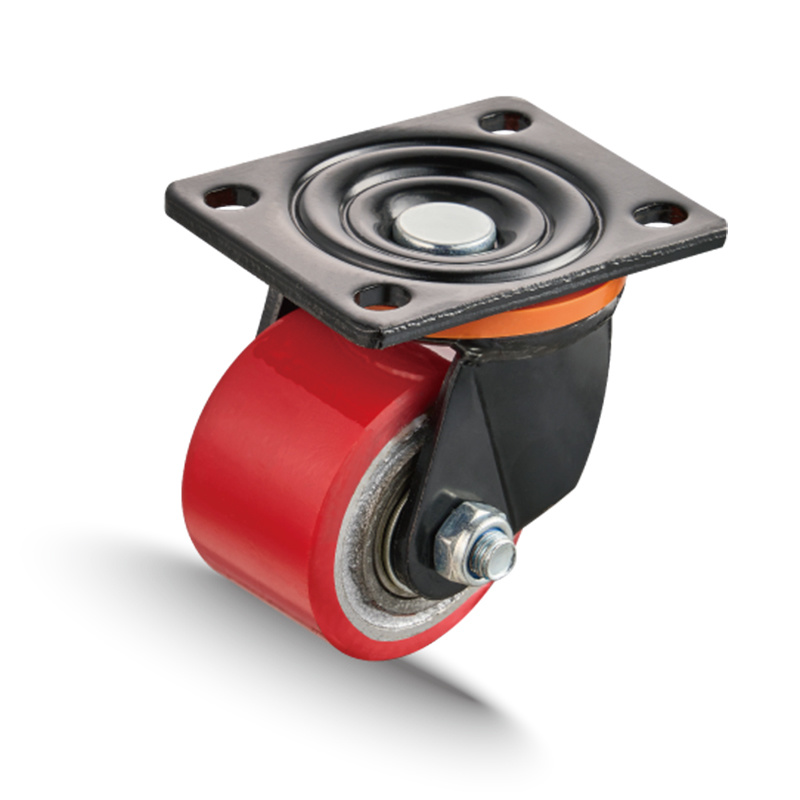
Ultimate Guide to Heavy Duty Leveling Casters: Enhance Stability and Mobility
2025-11-01
When it comes to enhancing the mobility and stability of heavy equipment and furniture, heavy duty leveling casters are an indispensable solution. These robust accessories are designed to support substantial weight while allowing for easy maneuverability. Whether used in industrial settings, workshops, or even in home environments, the right leveling casters can make a significant difference in ef
Innovative Designs in Low Profile Heavy Duty Casters for Modern Applications
2025-10-25
Innovative Designs in Low Profile Heavy Duty Casters for Modern Applications
Table of Contents
Introduction to Low Profile Heavy Duty Casters
Key Features of Modern Low Profile Casters
Design Innovations Shaping the Future
Materials Used in the Manufacturing of Casters
Applications in Various Industries
Benefits of Low Profile Heavy Duty Casters
Maint

CONTACT US


No. 25 Haiwei Road,Xiaolan Town, Zhongshan City. Guangdong,China 528415

Customer message