
BLOG
The Essential Role of Heavy Duty Casters in Streamlining Warehouse Operations
2025-03-15
The Essential Role of Heavy Duty Casters in Streamlining Warehouse Operations
In today’s fast-paced industrial landscape, optimizing warehouse operations is crucial for maintaining efficiency and competitiveness. One often overlooked but vital component that significantly impacts warehouse functionality is **heavy-duty casters**. These sturdy wheels play a critical role in enhancing mobility, safe
The Essential Role of Heavy Duty Casters in Streamlining Warehouse Operations
In today’s fast-paced industrial landscape, optimizing warehouse operations is crucial for maintaining efficiency and competitiveness. One often overlooked but vital component that significantly impacts warehouse functionality is **heavy-duty casters**. These sturdy wheels play a critical role in enhancing mobility, safety, and productivity within warehouse environments. In this article, we will delve into the various aspects of heavy-duty casters, their benefits, and their significance in the overall efficiency of warehouse operations.
Table of Contents
1. Understanding Heavy Duty Casters
2. Benefits of Heavy Duty Casters in Warehousing
- 2.1 Enhanced Mobility
- 2.2 Safety Improvements
- 2.3 Increased Productivity
3. Different Types of Heavy Duty Casters
- 3.1 Rigid Casters
- 3.2 Swivel Casters
- 3.3 Brake Casters
4. Factors to Consider When Choosing Heavy Duty Casters
5. Heavy Duty Casters and Safety Regulations
6. Maintenance of Heavy Duty Casters
7. Real-World Examples of Casters in Action
8. Conclusion
9. FAQs
Understanding Heavy Duty Casters
Heavy-duty casters are wheels designed to support substantial weights while providing mobility in various industrial settings, particularly warehouses. Unlike standard casters, heavy-duty varieties are engineered for high-load applications, making them ideal for transporting heavy equipment and products. These casters facilitate the movement of carts, racks, and other warehouse apparatus, allowing for easier handling and transport of inventory.
Benefits of Heavy Duty Casters in Warehousing
The incorporation of heavy-duty casters into warehouse operations presents numerous advantages.
Enhanced Mobility
Heavy-duty casters significantly improve mobility within warehouses. They allow for the effortless movement of bulky items across floors, reducing the risk of injury associated with manual handling. The smooth rolling action of these casters minimizes friction, enabling workers to transport heavy loads with minimal effort. This enhancement in mobility translates to faster order fulfillment and better overall operational flow.
Safety Improvements
Safety is paramount in any industrial environment. Heavy-duty casters contribute to a safer workplace by reducing the physical strain on employees during material handling. With the ability to support large weights, these casters minimize the chances of equipment failure or accidents caused by improper handling. Additionally, many heavy-duty casters come equipped with braking systems that prevent unwanted movement, ensuring stability when the equipment is stationary.
Increased Productivity
Productivity is directly linked to the efficiency of operations. By utilizing heavy-duty casters, warehouses can streamline their processes, leading to significant time savings. Employees can move items quickly and efficiently, reducing bottlenecks that often occur during high-demand periods. This improvement in workflow not only enhances output but also boosts employee morale, as workers can perform tasks without unnecessary strain.
Different Types of Heavy Duty Casters
When selecting heavy-duty casters for warehouse operations, it is crucial to understand the various types available, as each serves different purposes.
Rigid Casters
Rigid casters are fixed in one direction and are ideal for straight-line movement. They are best utilized in areas where items need to be moved without changing direction frequently. Rigid casters provide stability and are often used in conjunction with swivel casters for enhanced maneuverability.
Swivel Casters
Swivel casters allow for multidirectional movement, making them perfect for navigating tight spaces within warehouses. They can rotate 360 degrees, enabling users to easily maneuver carts and equipment around obstacles. This flexibility is particularly beneficial in high-traffic areas of a warehouse.
Brake Casters
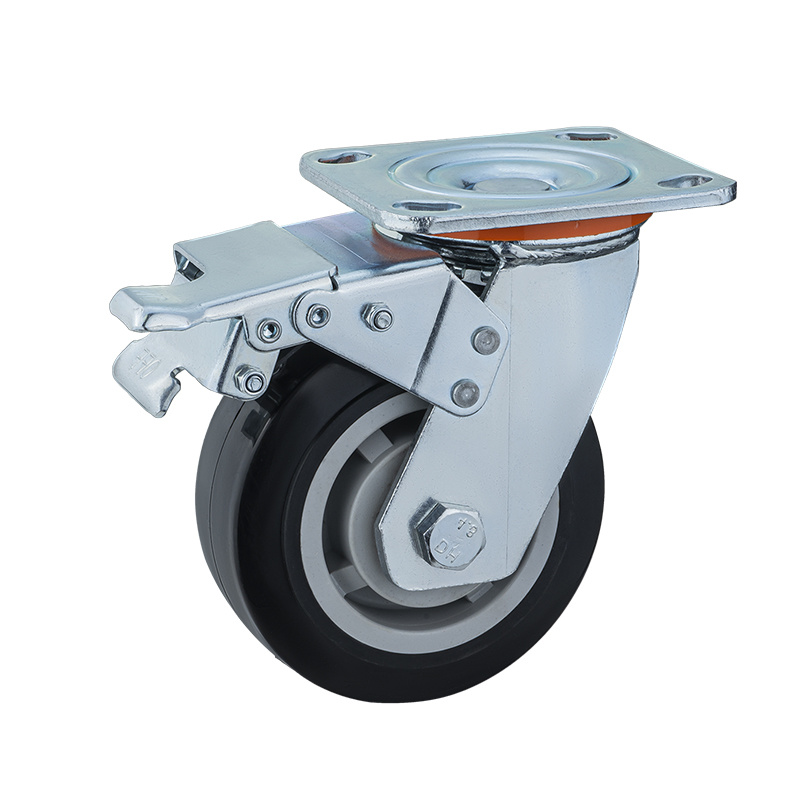
Brake casters incorporate a locking mechanism that secures the equipment in place when stationary. This feature is essential when dealing with heavy loads, as it prevents accidents caused by unintended movement. Brake casters are particularly useful in loading and unloading areas where stability is critical.
Factors to Consider When Choosing Heavy Duty Casters
Choosing the right heavy-duty casters involves considering several factors to ensure optimal performance in warehouse operations.
1. **Load Capacity**: Assess the weight of the items you intend to move. Selecting casters with adequate load capacity is vital to prevent equipment failure.
2. **Floor Type**: The surface of the warehouse floor impacts the type of casters needed. For example, softer floors may require rubber casters to avoid damage, whereas concrete floors may benefit from metal casters.
3. **Rollability**: Consider the rolling resistance of the casters. A lower rolling resistance allows for easier movement, enhancing overall efficiency.
4. **Environmental Conditions**: If the warehouse environment involves exposure to chemicals or extreme temperatures, choose casters made from materials that can withstand such conditions.
5. **Maneuverability**: Assess the layout of the warehouse to determine whether rigid or swivel casters are more beneficial for your operations.
Heavy Duty Casters and Safety Regulations
Compliance with safety regulations is fundamental in industrial settings. Heavy-duty casters should meet specific standards to ensure they function safely and effectively. Regulations may include load testing, material certifications, and performance evaluations. Companies must regularly inspect and maintain their casters to adhere to safety guidelines, preventing accidents and ensuring a safe working environment.
Maintenance of Heavy Duty Casters
Regular maintenance is essential for prolonging the lifespan of heavy-duty casters and ensuring their optimal performance. Here are some best practices for maintaining these crucial components:
1. **Regular Inspections**: Conduct routine checks for wear and tear, ensuring that all components, including wheels, bearings, and brakes, are in good condition.
2. **Cleaning**: Keep casters clean to prevent debris buildup that can hinder functionality. Use a suitable cleaning agent to remove grime and grease.
3. **Lubrication**: Apply appropriate lubricants to the moving parts of the casters to reduce friction and prevent rust.
4. **Replacement**: Replace casters showing significant wear, damage, or degradation to maintain safety and performance standards.
Real-World Examples of Casters in Action
Understanding the practical application of heavy-duty casters can provide valuable insights into their impact on warehouse operations.
One notable example is seen in large-scale distribution centers where automated guided vehicles (AGVs) equipped with heavy-duty casters transport goods throughout the facility. This integration not only optimizes space but also enhances the speed and efficiency of inventory management.
Another example can be found in retail warehouses where heavy-duty casters enable the swift movement of inventory carts. This efficiency is vital for timely restocking and order fulfillment, particularly during peak shopping seasons.
Conclusion
Heavy-duty casters are indispensable components in warehouse operations, providing enhanced mobility, safety, and productivity. By understanding the various types of casters available, their benefits, and essential maintenance practices, warehouse managers can make informed decisions that optimize operations. Investing in the right heavy-duty casters not only streamlines workflows but also contributes to a safer, more efficient working environment, ultimately supporting the overall success of warehouse operations.
FAQs
1. **What load capacity should I look for in heavy-duty casters?**
When selecting heavy-duty casters, consider the total weight of items to be transported and choose casters that can support at least 20-25% more than that weight for safety.
2. **Are there specific maintenance practices for heavy-duty casters?**
Yes, regular inspections, cleaning, lubrication, and timely replacements are crucial maintenance practices.
3. **Can heavy-duty casters be used on uneven surfaces?**
Heavy-duty casters designed for multi-directional movement, such as swivel casters, are better suited for navigating uneven surfaces.
4. **How can I improve the lifespan of my casters?**
Proper maintenance, including regular cleaning and inspections, can significantly extend the lifespan of heavy-duty casters.
5. **What types of environments are heavy-duty casters suitable for?**
Heavy-duty casters are versatile and can be used in various environments, including warehouses, manufacturing facilities, and retail spaces, as long as they are chosen to meet the specific conditions.
Key words:
RELATED NEWS
The History and Evolution of Industrial Trolley Casters: A Comprehensive Overview
2025-11-08
The History and Evolution of Industrial Trolley Casters
Introduction to Industrial Trolley Casters
Industrial trolley casters are essential components that facilitate the movement of heavy loads across various industries. From manufacturing to warehousing, these small yet vital tools play a significant role in enhancing efficiency and productivity. Understanding the history and evolution of indust
Ultimate Guide to Heavy Duty Leveling Casters: Enhance Stability and Mobility
2025-11-01
When it comes to enhancing the mobility and stability of heavy equipment and furniture, heavy duty leveling casters are an indispensable solution. These robust accessories are designed to support substantial weight while allowing for easy maneuverability. Whether used in industrial settings, workshops, or even in home environments, the right leveling casters can make a significant difference in ef
Innovative Designs in Low Profile Heavy Duty Casters for Modern Applications
2025-10-25
Innovative Designs in Low Profile Heavy Duty Casters for Modern Applications
Table of Contents
Introduction to Low Profile Heavy Duty Casters
Key Features of Modern Low Profile Casters
Design Innovations Shaping the Future
Materials Used in the Manufacturing of Casters
Applications in Various Industries
Benefits of Low Profile Heavy Duty Casters
Maint

CONTACT US


No. 25 Haiwei Road,Xiaolan Town, Zhongshan City. Guangdong,China 528415

Customer message