
BLOG
Choosing the Right Medium Duty Caster: A Comprehensive Guide
2024-11-08
Choosing the Right Medium Duty Caster: A Comprehensive Guide
Table of Contents
- Introduction to Medium Duty Casters
- What Are Medium Duty Casters?
- Benefits of Using Medium Duty Casters
- Types of Medium Duty Casters
- Load Capacity Considerations
- Material Selection for Medium Duty Casters
- Wheel Diameter and Profile
- Installation and Maintenance Tips
- Frequently Asked Questions
- Conclusion
Introduction to Medium Duty Casters
Choosing the right medium duty caster is essential for ensuring smooth movement and functionality in various applications, from workshops to office furniture. Understanding the nuances of casters leads to improved efficiency and safety in the workplace. This guide delves into the critical aspects of medium duty casters, providing insights to help you make an informed decision.
What Are Medium Duty Casters?
Medium duty casters are designed to support moderate loads and facilitate easy movement in diverse settings. Typically capable of handling weights ranging from 150 pounds to 1,200 pounds, these casters offer a perfect balance between durability and maneuverability. They are versatile and commonly used in settings like industrial environments, retail, and healthcare facilities.
Benefits of Using Medium Duty Casters
Opting for medium duty casters comes with numerous advantages:
Enhanced Mobility
Medium duty casters improve the ease of moving equipment and furniture, reducing physical strain on workers and enhancing workflow efficiency.
Increased Safety
With proper selection, these casters minimize the risk of accidents, ensuring that heavy loads can be transported safely.
Diverse Applications
Their versatility allows medium duty casters to be utilized in various industries, from manufacturing to hospitality.
CostEffectiveness
Investing in quality medium duty casters often leads to longterm cost savings, as their durability reduces the need for frequent replacements.
Types of Medium Duty Casters
Understanding the types of medium duty casters available is crucial in selecting the right one for your needs.
Rigid and Swivel Casters
Rigid Casters: Fixed in one direction, ideal for straightline movement. They are excellent for stable, long runs where maneuverability isn't a primary concern.
Swivel Casters: Allow for multidirectional movement, making them perfect for tight spaces or when navigating around obstacles. Many setups utilize a combination of both types for optimal flexibility.
Brake Options for Casters
Choosing the right braking system is vital for safety and control. Consider the following options:
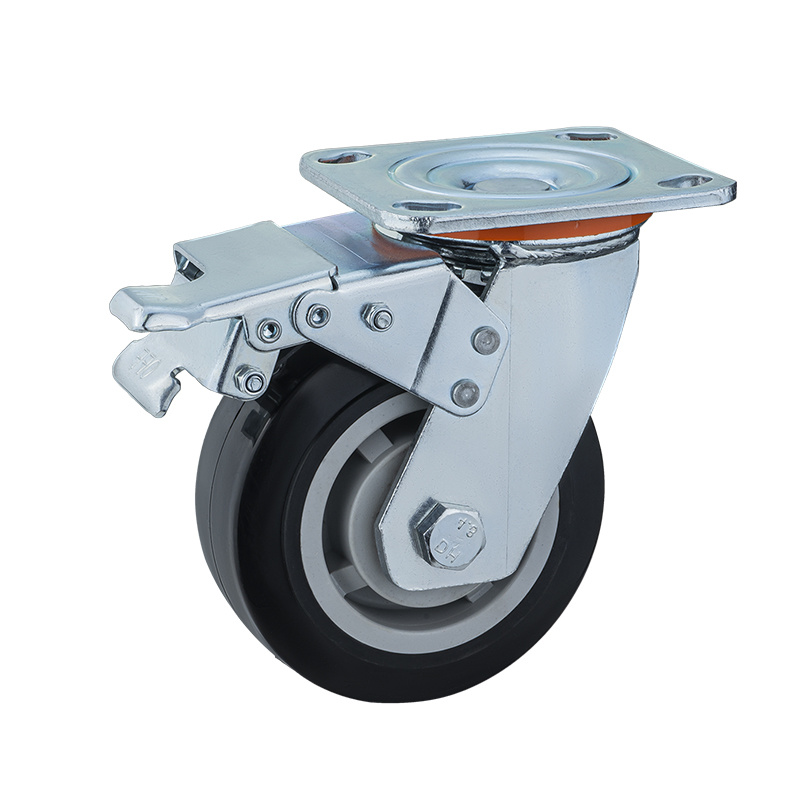
Total Lock Brakes: Lock both the wheel and swivel, providing maximum stability.
Directional Lock Brakes: Lock the swivel while allowing the wheel to roll; useful for controlled movement in one direction.
Wheel Lock Brakes: Only prevent the wheel from rolling; suitable for moderate stability needs.
Load Capacity Considerations
Evaluating the load capacity is crucial when selecting a medium duty caster. Every caster has a maximum weight limit, and exceeding this threshold can lead to premature wear or failure. Consider the following when assessing load capacity:
Determine the Total Weight
Calculate the overall weight of the items to be moved, including any additional equipment or accessories.
Account for Dynamic Loads
Dynamic loads occur during movement, so it’s essential to factor in potential increases in weight during transport.
Safety Margins
Always select casters that exceed your calculated weight requirements for safety and longevity.
Material Selection for Medium Duty Casters
The materials used in medium duty casters significantly affect their performance and durability.
Wheel Materials
Rubber: Provides excellent floor protection and shock absorption, ideal for indoor use.
Polyurethane: Durable and resistant to wear, suitable for both indoor and outdoor applications.
Steel: Offers outstanding loadbearing capacity, frequently used in industrial settings.
Frame Materials
Steel Frames: Known for their strength and durability, ideal in highload or heavyuse settings.
Aluminum Frames: Lighter than steel, reducing overall weight while still offering decent strength.
Wheel Diameter and Profile
The wheel diameter and profile play a pivotal role in maneuverability and performance.
Choosing the Right Diameter
A larger wheel diameter typically provides easier navigation over obstacles and uneven surfaces. For smoother surfaces, smaller diameters may suffice.
Profile Considerations
The wheel profile affects how well the caster rolls and the amount of surface contact with the ground. A wider profile is usually better for stability, while a narrower profile can enhance maneuverability.
Installation and Maintenance Tips
Proper installation and regular maintenance ensure the longevity of medium duty casters.
Installation Guidelines
Ensure that surfaces are clean and free of debris before installation.
Follow specific mounting instructions provided by the manufacturer.
Use appropriate tools to secure the casters firmly in place.
Regular Maintenance Practices
Inspect casters regularly for wear and tear.
Lubricate moving parts as necessary to reduce friction and ensure smooth operation.
Replace casters that show significant damage or wear.
Frequently Asked Questions
1. What is the difference between medium duty and heavy duty casters?
Medium duty casters are designed for moderate loads, typically ranging from 150 to 1,200 pounds, while heavyduty casters can handle 1,200 pounds and above.
2. How do I determine the right size caster for my application?
Consider the total weight of the load, the surface type, and the desired mobility when selecting caster size.
3. Can I mix rigid and swivel casters on the same equipment?
Yes, many setups benefit from a combination of rigid and swivel casters for optimal movement and stability.
4. Do I need brakes on my casters?
Brakes are recommended for added safety, especially on sloped surfaces or when dealing with heavy loads.
5. How often should I perform maintenance on my casters?
Regular inspections should occur at least once a month, with lubrication and repairs performed as needed.
Conclusion
Selecting the right medium duty caster is a critical decision that can significantly impact the functionality and safety of your equipment and workspace. By understanding the various types, load capacities, material selections, and installation guidelines, you can make an informed choice that meets your specific needs. With the right caster, you can enhance mobility, improve safety, and ensure a more efficient workflow. So, whether you’re upgrading your workshop or outfitting a new piece of furniture, consider the factors discussed in this guide to find the perfect medium duty caster for your application.
Key words:
RELATED NEWS
The History and Evolution of Industrial Trolley Casters: A Comprehensive Overview
2025-11-08
Ultimate Guide to Heavy Duty Leveling Casters: Enhance Stability and Mobility
2025-11-01
Innovative Designs in Low Profile Heavy Duty Casters for Modern Applications
2025-10-25

CONTACT US


No. 25 Haiwei Road,Xiaolan Town, Zhongshan City. Guangdong,China 528415

Customer message