
BLOG
How Medium Duty Casters Improve Mobility in Workspaces
2024-12-08
How Medium Duty Casters Improve Mobility in Workspaces
Table of Contents
1. Introduction to Medium Duty Casters
2. Benefits of Using Medium Duty Casters in Workspaces
3. Common Applications of Medium Duty Casters
4. Key Features to Consider When Choosing Medium Duty Casters
5. Different Types of Medium Duty Casters
6. Installation and Maintenance Tips for Medium Duty Caste
How Medium Duty Casters Improve Mobility in Workspaces
Table of Contents
- 1. Introduction to Medium Duty Casters
- 2. Benefits of Using Medium Duty Casters in Workspaces
- 3. Common Applications of Medium Duty Casters
- 4. Key Features to Consider When Choosing Medium Duty Casters
- 5. Different Types of Medium Duty Casters
- 6. Installation and Maintenance Tips for Medium Duty Casters
- 7. Cost Considerations: Investing in Quality Casters
- 8. Frequently Asked Questions
- 9. Conclusion
1. Introduction to Medium Duty Casters
In today's dynamic work environments, **mobility** is not just a luxury; it is a necessity. Medium duty casters offer an efficient solution for improving the mobility of various equipment, furniture, and tools. These casters are designed to support moderate weights while ensuring smooth movement, making them ideal for different applications in warehouses, workshops, and offices. Understanding how medium duty casters enhance mobility can revolutionize your workspace, enabling flexibility and efficiency.
2. Benefits of Using Medium Duty Casters in Workspaces
The advantages of incorporating medium duty casters into your workspace are multifaceted.
2.1 Enhanced Mobility
One of the most significant benefits is the **enhanced mobility** they provide. With medium duty casters, heavy items can be moved effortlessly, reducing the physical strain on workers and promoting a more efficient workflow.
2.2 Increased Flexibility
Medium duty casters allow for easy rearrangement of furniture and equipment. This flexibility is essential in adapting workspaces quickly to meet changing needs, whether for collaborative projects or reconfiguring layouts.
2.3 Safety Improvements
By facilitating smooth movement, medium duty casters help minimize the risk of injuries caused by lifting or dragging heavy items. This improvement in safety is crucial for maintaining a productive and secure workplace.
2.4 Space Optimization
Medium duty casters can transform stationary equipment into mobile units, optimizing the use of available space. This mobility leads to better organization and efficiency within the workspace.
3. Common Applications of Medium Duty Casters
Medium duty casters are versatile tools used across various industries, including:
3.1 Warehousing and Logistics
In warehouses, medium duty casters support the movement of pallets, shelves, and equipment, enhancing operational efficiency and workflow.
3.2 Manufacturing
During the manufacturing process, these casters enable the easy transportation of tools and materials between different workstations, improving productivity.
3.4 Healthcare Facilities
In hospitals and clinics, medium duty casters are found on medical carts and equipment, facilitating the swift movement of essential items while ensuring patient care is not compromised.
3.5 Office Environments
From mobile desks to filing cabinets, medium duty casters play a vital role in office setups, allowing for quick reconfigurations based on team needs.
4. Key Features to Consider When Choosing Medium Duty Casters
Selecting the right medium duty casters for your workspace involves considering several key features:
4.1 Load Capacity
Understanding the load capacity of casters is essential. Medium duty casters typically support loads ranging from 200 to 800 pounds. Choosing casters that can handle your specific weight requirements ensures optimal performance and safety.
4.2 Wheel Material
The choice of wheel material affects durability and movement. Common materials include rubber, polyurethane, and nylon. Rubber wheels provide smooth movement and shock absorption, while polyurethane wheels offer durability and resistance to wear.
4.3 Swivel vs. Rigid Casters
Swivel casters allow for 360-degree movement, making navigation around corners and obstacles easier. Rigid casters, on the other hand, provide straight-line movement and are ideal for applications requiring stability.
4.4 Brake Features
Brakes are a crucial feature for maintaining stationary equipment. Look for casters with locking mechanisms that ensure safety when items are not in motion.
5. Different Types of Medium Duty Casters
There are several types of medium duty casters, each suited for specific applications:
5.1 Plate Casters
These casters are mounted on a flat plate, making them suitable for a variety of applications, from carts to shelving units.
5.2 Stem Casters
Stem casters are designed to fit into a specific socket. They are commonly used in office furniture and equipment.
5.3 Locking Casters
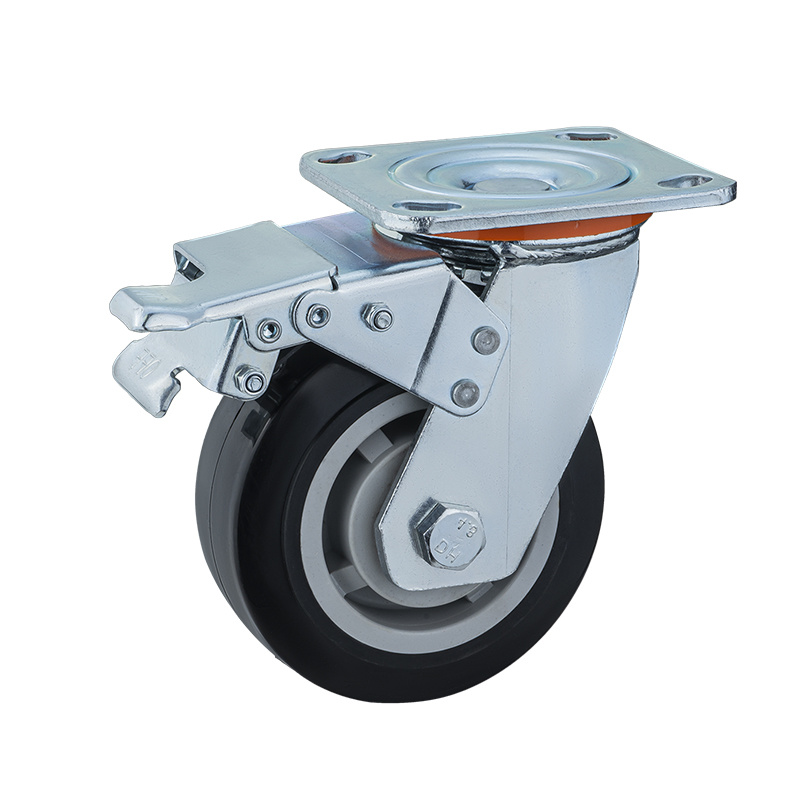
Locking casters combine both swivel and brake features, allowing for secure stationary positioning when needed.
5.4 Heavy-Duty Casters
While technically more robust than medium duty casters, understanding their specifications is important for applications that may require higher load capacities in the future.
6. Installation and Maintenance Tips for Medium Duty Casters
Proper installation and maintenance of medium duty casters are essential for maximizing their lifespan and efficiency.
6.1 Installation Guidelines
- Ensure that the casters are rated for the load capacity required.
- Confirm that the mounting hardware is secure and compatible with your equipment.
- Position casters evenly to distribute weight effectively.
6.2 Regular Maintenance
- Inspect casters regularly for wear and tear.
- Clean wheels to remove debris that can impede movement.
- Lubricate moving parts as needed to maintain smooth operation.
7. Cost Considerations: Investing in Quality Casters
Investing in medium duty casters can vary in price based on their features and specifications. While cheaper options may seem appealing, investing in quality casters is essential for long-term performance and safety. Consider the following:
7.1 Total Cost of Ownership
Evaluate the total cost of ownership, including installation, maintenance, and potential downtime due to lower-quality casters failing or causing injuries.
7.2 Warranty and Support
Look for casters that come with a warranty or customer support. Quality manufacturers often provide guidance on installation and maintenance, which can save costs in the long run.
8. Frequently Asked Questions
8.1 What weight can medium duty casters support?
Medium duty casters generally support loads between 200 to 800 pounds, depending on their specifications.
8.2 Can I use medium duty casters on uneven surfaces?
Yes, medium duty casters are designed to handle moderate unevenness, but ensure that you select casters with appropriate wheel materials for improved stability.
8.3 How do I choose the right caster for my needs?
Consider the weight capacity, wheel material, and type of movement (swivel vs. rigid) required for your specific application to choose the right caster.
8.4 What maintenance do medium duty casters require?
Regularly inspect for wear, clean wheels, and lubricate moving parts to ensure optimal functionality.
8.5 Are locking casters necessary?
Locking casters provide additional safety by preventing movement when needed, making them an essential feature for many applications.
9. Conclusion
Incorporating medium duty casters into your workspace significantly enhances mobility, flexibility, and overall safety. These versatile tools streamline operations across various industries, allowing for easy movement and reconfiguration of equipment and furniture. By understanding the key features, applications, and maintenance requirements, businesses can make informed decisions that boost productivity and improve workplace dynamics. Investing in quality medium duty casters is not only a cost-effective choice but also a vital step toward fostering a safer and more adaptable work environment.
Key words:
RELATED NEWS
The History and Evolution of Industrial Trolley Casters: A Comprehensive Overview
2025-11-08
The History and Evolution of Industrial Trolley Casters
Introduction to Industrial Trolley Casters
Industrial trolley casters are essential components that facilitate the movement of heavy loads across various industries. From manufacturing to warehousing, these small yet vital tools play a significant role in enhancing efficiency and productivity. Understanding the history and evolution of indust
Ultimate Guide to Heavy Duty Leveling Casters: Enhance Stability and Mobility
2025-11-01
When it comes to enhancing the mobility and stability of heavy equipment and furniture, heavy duty leveling casters are an indispensable solution. These robust accessories are designed to support substantial weight while allowing for easy maneuverability. Whether used in industrial settings, workshops, or even in home environments, the right leveling casters can make a significant difference in ef
Innovative Designs in Low Profile Heavy Duty Casters for Modern Applications
2025-10-25
Innovative Designs in Low Profile Heavy Duty Casters for Modern Applications
Table of Contents
Introduction to Low Profile Heavy Duty Casters
Key Features of Modern Low Profile Casters
Design Innovations Shaping the Future
Materials Used in the Manufacturing of Casters
Applications in Various Industries
Benefits of Low Profile Heavy Duty Casters
Maint

CONTACT US


No. 25 Haiwei Road,Xiaolan Town, Zhongshan City. Guangdong,China 528415

Customer message