
BLOG
The Essential Guide to Industrial Casters: Enhancing Efficiency and Mobility
2024-12-09
Industrial casters are critical components in various sectors, known for their ability to enhance mobility and efficiency in workplaces ranging from warehouses to manufacturing plants. These wheeled devices are designed to support and facilitate the movement of heavy equipment and materials, making them indispensable in today’s fast-paced industrial environment.
One of the primary functions of ind
Industrial casters are critical components in various sectors, known for their ability to enhance mobility and efficiency in workplaces ranging from warehouses to manufacturing plants. These wheeled devices are designed to support and facilitate the movement of heavy equipment and materials, making them indispensable in today’s fast-paced industrial environment.
One of the primary functions of industrial casters is to improve workflow. By allowing equipment and materials to be easily moved, they reduce the time and effort workers spend transporting heavy loads. This increased mobility can lead to enhanced productivity, as tasks that once took considerable time can now be completed with minimal effort. For example, in a manufacturing facility, heavy machinery can be repositioned quickly for maintenance, or tools can be transported across the shop floor with ease.
When it comes to selecting the right industrial caster, it’s essential to consider several factors, including the load capacity, wheel material, and environmental conditions. Casters come in various materials such as rubber, polyurethane, and metal, each suited for different surfaces and load requirements. For instance, rubber casters are ideal for smooth surfaces and reduce noise, while harder materials like metal are better for heavy-duty applications where resilience is key.
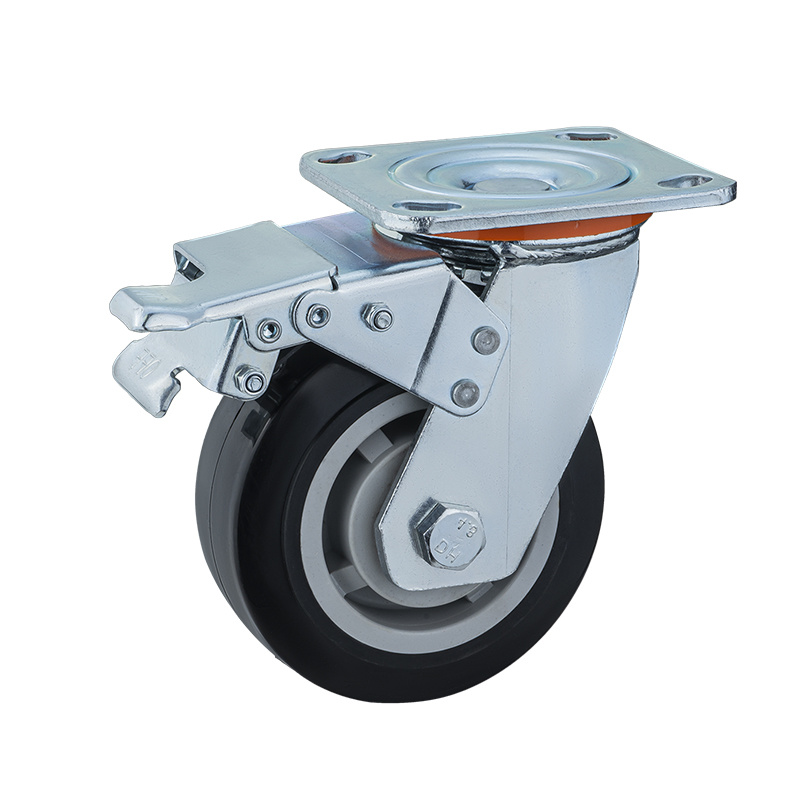
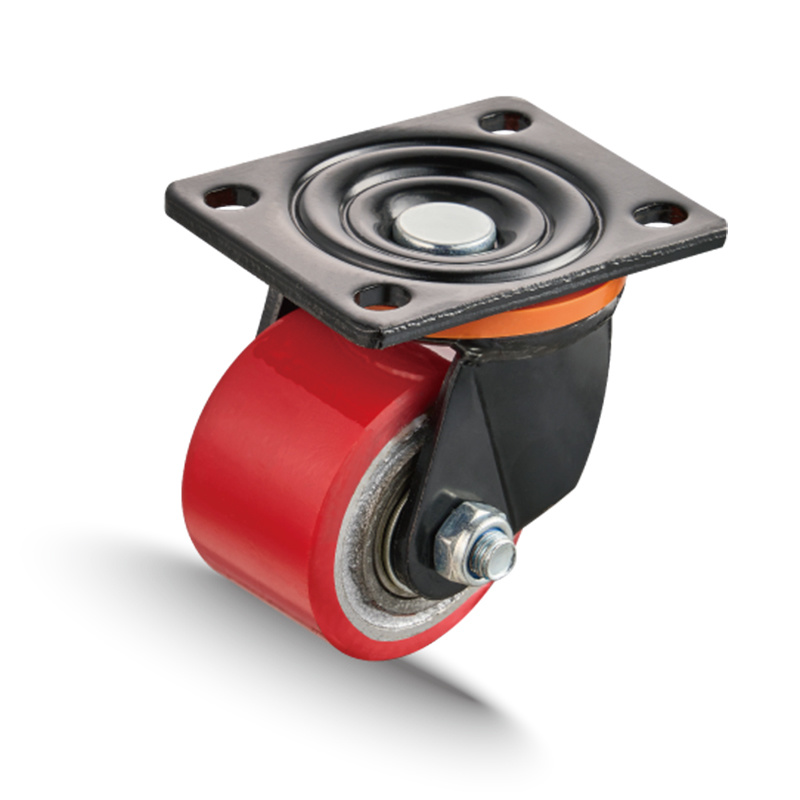
There are also two primary types of industrial casters: rigid and swivel. Rigid casters provide stability and are best used in straight-line movement, while swivel casters allow for greater maneuverability in tight spaces. A combination of both types can be employed in a single application to optimize movement and control.
Furthermore, the installation of industrial casters can significantly impact workplace safety. By making it easier to move heavy items, the risk of injury from manual lifting is reduced. Additionally, many industrial casters are equipped with brakes that lock in place, providing stability and preventing unintended movement during operation.
In conclusion, industrial casters play a vital role in enhancing efficiency, safety, and productivity in various industrial settings. By carefully selecting the right type of caster based on specific needs and conditions, businesses can streamline operations and create a more efficient working environment. Understanding the benefits and applications of industrial casters is paramount for professionals looking to optimize their operations and improve overall effectiveness within their organizations.
Key words:
RELATED NEWS
The History and Evolution of Industrial Trolley Casters: A Comprehensive Overview
2025-11-08
The History and Evolution of Industrial Trolley Casters
Introduction to Industrial Trolley Casters
Industrial trolley casters are essential components that facilitate the movement of heavy loads across various industries. From manufacturing to warehousing, these small yet vital tools play a significant role in enhancing efficiency and productivity. Understanding the history and evolution of indust
Ultimate Guide to Heavy Duty Leveling Casters: Enhance Stability and Mobility
2025-11-01
When it comes to enhancing the mobility and stability of heavy equipment and furniture, heavy duty leveling casters are an indispensable solution. These robust accessories are designed to support substantial weight while allowing for easy maneuverability. Whether used in industrial settings, workshops, or even in home environments, the right leveling casters can make a significant difference in ef
Innovative Designs in Low Profile Heavy Duty Casters for Modern Applications
2025-10-25
Innovative Designs in Low Profile Heavy Duty Casters for Modern Applications
Table of Contents
Introduction to Low Profile Heavy Duty Casters
Key Features of Modern Low Profile Casters
Design Innovations Shaping the Future
Materials Used in the Manufacturing of Casters
Applications in Various Industries
Benefits of Low Profile Heavy Duty Casters
Maint

CONTACT US


No. 25 Haiwei Road,Xiaolan Town, Zhongshan City. Guangdong,China 528415

Customer message