
BLOG
Innovative Designs in Industrial Trolley Casters: What You Need to Know
2024-12-14
Innovative Designs in Industrial Trolley Casters: What You Need to Know
Table of Contents
1. Introduction to Industrial Trolley Casters
2. The Importance of Casters in Industrial Settings
3. Types of Industrial Casters: An Overview
4. Innovative Designs in Industrial Trolley Casters
5. Materials Used in Modern Casters
6. Customization Options for Enhanced Performance
7. Impact of In
Innovative Designs in Industrial Trolley Casters: What You Need to Know
Table of Contents
- 1. Introduction to Industrial Trolley Casters
- 2. The Importance of Casters in Industrial Settings
- 3. Types of Industrial Casters: An Overview
- 4. Innovative Designs in Industrial Trolley Casters
- 5. Materials Used in Modern Casters
- 6. Customization Options for Enhanced Performance
- 7. Impact of Innovative Casters on Operational Efficiency
- 8. Maintenance and Durability Considerations
- 9. Frequently Asked Questions
- 10. Conclusion
1. Introduction to Industrial Trolley Casters
Industrial trolley casters are fundamental components in many businesses, providing the necessary mobility for various types of equipment and materials. Whether in warehouses, manufacturing plants, or hospitals, these casters facilitate the smooth movement of trolleys, carts, and other heavy loads. As industries evolve, so do the designs and technologies involved in caster development. This article delves into the **innovative designs** of industrial trolley casters, exploring their impact on efficiency, safety, and usability.
2. The Importance of Casters in Industrial Settings
Casters play a crucial role in industrial settings for several reasons. They streamline operations by enabling easy movement of heavy goods and equipment, reducing the risk of workplace injuries associated with manual handling. The right casters can enhance productivity, minimize downtime, and improve overall workflow, which is vital in fast-paced environments. Understanding the importance of these components helps businesses invest wisely in the right innovations for their needs.
3. Types of Industrial Casters: An Overview
Industrial casters come in various types, each designed for specific applications. Here are the main categories:
3.1 Rigid Casters
Rigid casters allow straightforward movement in a straight line. They are ideal for applications where directional changes are minimal.
3.2 Swivel Casters
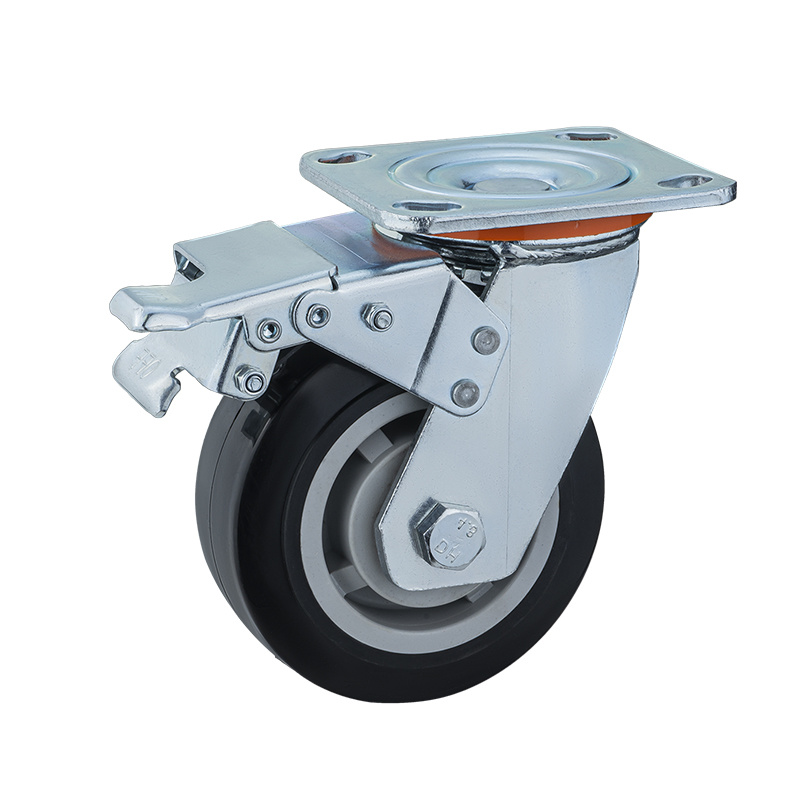
Swivel casters enable a 360-degree rotation, offering improved maneuverability in tight spaces. They are typically used on equipment that needs to navigate through narrow aisles.
3.3 Brake Casters
Brake casters come equipped with a braking mechanism that locks the wheel in place, providing safety when stationary. These are essential in environments where stability is critical.
3.4 Specialty Casters
Some casters are designed for specific industries, such as hospital-grade casters that reduce noise and improve hygiene. These casters are engineered with unique features tailored to their intended use.
4. Innovative Designs in Industrial Trolley Casters
The evolution of technology has led to numerous innovative designs in industrial trolley casters. These advancements enhance functionality, safety, and user experience.
4.1 Ergonomic Designs
Ergonomics plays a vital role in caster design. Modern casters are engineered to minimize strain on users, with ergonomic handles and push bars that facilitate easier maneuvering.
4.2 Shock Absorption Technology
Innovations in shock absorption have made industrial casters more versatile. Advanced materials and designs reduce vibrations and impacts, protecting both the load being transported and the equipment itself.
4.3 Anti-Tipping Features
Safety is paramount in industrial settings. Innovative anti-tipping designs ensure that trolleys remain stable, even when navigating uneven surfaces or making sharp turns.
4.4 Smart Casters
Emerging technology has introduced smart casters equipped with sensors and IoT connectivity. These casters can monitor load weight, track movement, and provide data analytics, optimizing workflow and reducing downtime.
5. Materials Used in Modern Casters
The material composition of industrial casters significantly affects their performance, durability, and suitability for various environments.
5.1 Polyurethane Wheels
Polyurethane is a popular choice due to its durability and versatility. These wheels provide excellent traction, resist wear, and protect flooring surfaces.
5.2 Rubber Wheels
Rubber wheels are favored for their noise-dampening properties and shock absorption capabilities, making them ideal for indoor use.
5.3 Metal Frames
Cast iron and stainless steel frame constructions offer robustness and longevity, especially in heavy-duty applications.
5.4 Plastic Components
Plastic casters are lightweight and resistant to corrosion, suitable for environments where exposure to chemicals or moisture is a concern.
6. Customization Options for Enhanced Performance
Customization options allow businesses to tailor casters according to their specific requirements.
6.1 Wheel Size Selection
Choosing the right wheel size is essential for performance. Larger wheels can navigate obstacles more easily, while smaller wheels are better for tight spaces.
6.2 Load Capacity Adjustments
Casters can be customized to support different load capacities, ensuring they meet the demands of various industrial applications.
6.3 Surface Compatibility
Different wheel materials are available to adapt to various surfaces, from concrete to carpet, ensuring optimal movement.
7. Impact of Innovative Casters on Operational Efficiency
The integration of innovative casters can significantly boost operational efficiency in industrial environments.
7.1 Increased Productivity
With the right casters, employees can move heavy loads with ease, reducing fatigue and allowing them to focus on other critical tasks.
7.2 Reduced Downtime
Advanced casters minimize maintenance requirements, leading to less downtime and uninterrupted workflow.
7.3 Enhanced Safety
Ergonomic designs and anti-tipping features contribute to a safer work environment, lowering the likelihood of accidents and injuries.
8. Maintenance and Durability Considerations
Understanding maintenance requirements is crucial for extending the life of industrial trolley casters.
8.1 Regular Inspections
Regular inspections for wear and tear help identify potential issues before they become significant problems.
8.2 Cleaning Protocols
Keeping wheels clean from debris and contaminants ensures smooth operation and reduces unnecessary strain on the casters.
8.3 Lubrication Practices
Proper lubrication of moving parts minimizes friction and enhances the longevity of casters, ensuring reliable performance.
9. Frequently Asked Questions
9.1 What are the key factors to consider when selecting industrial casters?
When selecting industrial casters, consider load capacity, wheel material, surface compatibility, and the type of movement required (rigid vs. swivel).
9.2 How can I enhance the safety of my industrial casters?
Incorporating anti-tipping designs, selecting casters with brakes, and ensuring ergonomic features can significantly enhance safety.
9.3 What materials are best for high-temperature environments?
For high-temperature environments, consider casters made from metal or high-temperature-resistant plastics that can withstand extreme conditions.
9.4 How often should I perform maintenance on my casters?
Regular inspections should be conducted monthly, with deeper maintenance checks annually or when wear is evident.
9.5 Can I customize my industrial casters?
Yes, many manufacturers offer customization options including wheel size, load capacity, and specific material selections to meet your unique needs.
10. Conclusion
Innovative designs in industrial trolley casters are transforming the way businesses operate, enhancing mobility, safety, and efficiency. By understanding the types, materials, and innovations available, businesses can make informed decisions that positively impact their workflow. Investing in high-quality, innovative casters is not just a choice; it's a strategic move toward a more efficient and safe working environment. With the right information and options, you can elevate your operations and achieve greater success.
Key words:
RELATED NEWS
The History and Evolution of Industrial Trolley Casters: A Comprehensive Overview
2025-11-08
The History and Evolution of Industrial Trolley Casters
Introduction to Industrial Trolley Casters
Industrial trolley casters are essential components that facilitate the movement of heavy loads across various industries. From manufacturing to warehousing, these small yet vital tools play a significant role in enhancing efficiency and productivity. Understanding the history and evolution of indust
Ultimate Guide to Heavy Duty Leveling Casters: Enhance Stability and Mobility
2025-11-01
When it comes to enhancing the mobility and stability of heavy equipment and furniture, heavy duty leveling casters are an indispensable solution. These robust accessories are designed to support substantial weight while allowing for easy maneuverability. Whether used in industrial settings, workshops, or even in home environments, the right leveling casters can make a significant difference in ef
Innovative Designs in Low Profile Heavy Duty Casters for Modern Applications
2025-10-25
Innovative Designs in Low Profile Heavy Duty Casters for Modern Applications
Table of Contents
Introduction to Low Profile Heavy Duty Casters
Key Features of Modern Low Profile Casters
Design Innovations Shaping the Future
Materials Used in the Manufacturing of Casters
Applications in Various Industries
Benefits of Low Profile Heavy Duty Casters
Maint

CONTACT US


No. 25 Haiwei Road,Xiaolan Town, Zhongshan City. Guangdong,China 528415

Customer message