
BLOG
Understanding Market Trolley Casters: Key Features and Selection Tips
2024-12-15
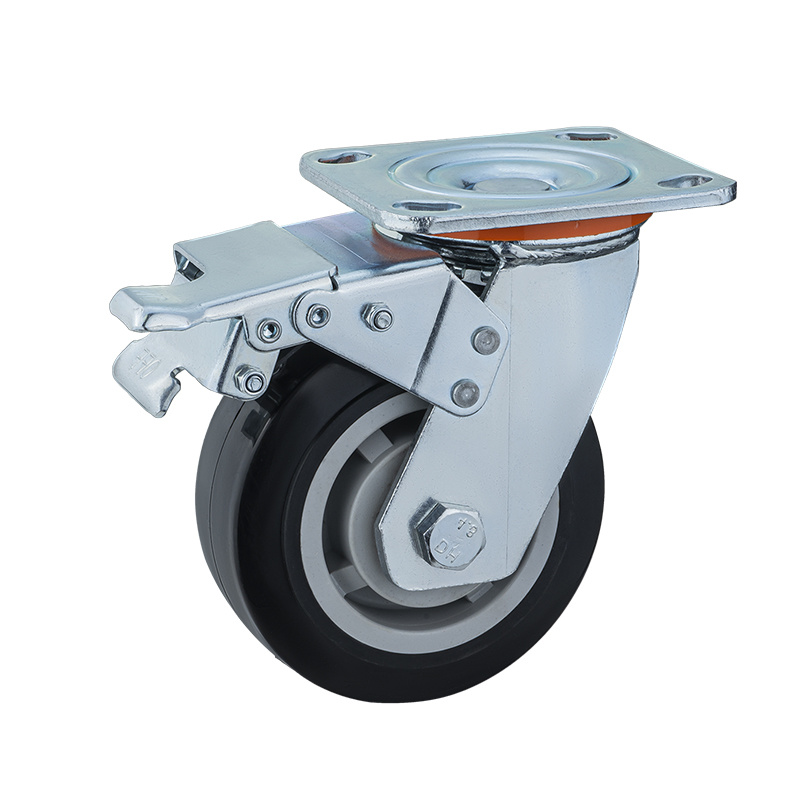
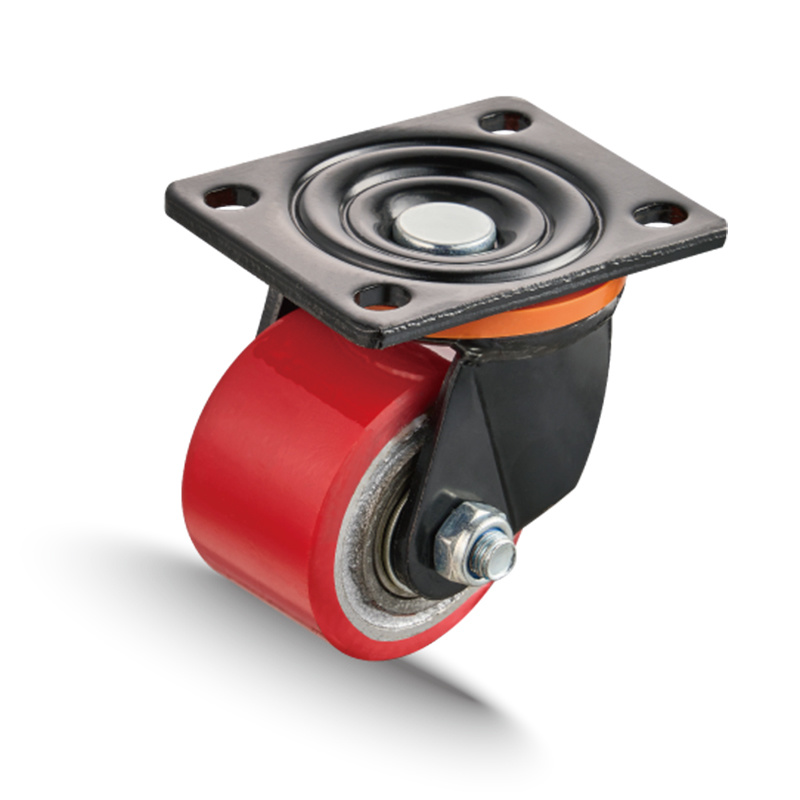
When dealing with market trolley casters, understanding their design, functionality, and material composition is crucial for any professional in the hardware tools and accessories industry. Market trolley casters are critical components that allow easy movement of trolleys, carts, and other wheeled equipment in retail and industrial environments. Their effectiveness directly impacts the efficiency
When dealing with market trolley casters, understanding their design, functionality, and material composition is crucial for any professional in the hardware tools and accessories industry. Market trolley casters are critical components that allow easy movement of trolleys, carts, and other wheeled equipment in retail and industrial environments. Their effectiveness directly impacts the efficiency of operations, particularly in busy market settings.
The first aspect to consider when selecting market trolley casters is the material. Casters are typically made from rubber, polyurethane, nylon, or metal. Rubber and polyurethane are popular choices due to their superior grip and shock-absorbing properties, which help reduce noise and protect floors from scratches. Nylon casters, while robust and resistant to chemicals, may not provide the same level of traction on slippery surfaces. Meanwhile, metal casters are ideal for heavy-duty applications where durability is paramount.
Another essential feature to evaluate is the wheel diameter. Larger wheels roll more easily over obstacles and uneven surfaces, making them ideal for outdoor settings or environments with debris. Conversely, smaller wheels offer better maneuverability in tight spaces, making them suitable for indoor use. When selecting market trolley casters, it’s important to balance the need for mobility with the context in which the trolleys will be used.
Swivel vs. fixed casters is another critical consideration. Swivel casters allow for greater maneuverability, enabling the trolley to change direction easily without needing to lift it. Fixed casters provide stability, which is beneficial when moving heavy loads in a straight line. A combination of both can often be the best solution, allowing for versatile use depending on the specific needs of the operation.
Load capacity is also a vital factor in selecting the appropriate casters for market trolleys. Each caster is rated for a specific weight limit, and exceeding this limit can lead to premature wear, failure, or even accidents. Therefore, it is essential to calculate the total weight of the trolley, including its contents, to ensure that the chosen casters can handle the load efficiently.
Lastly, consider any additional features that may enhance the functionality of market trolley casters. Braking mechanisms, for instance, can provide added security when the trolley is stationary, preventing it from rolling unexpectedly. Casters with built-in shock absorbers can further improve the handling of heavy loads, leading to a smoother experience overall.
In summary, selecting the right market trolley casters involves careful consideration of materials, wheel size, swivel and fixed options, load capacity, and additional features. By assessing these factors, professionals can ensure optimal performance, safety, and longevity for their market trolleys, ultimately enhancing operational efficiency in their respective industries.
Key words:
RELATED NEWS
The History and Evolution of Industrial Trolley Casters: A Comprehensive Overview
2025-11-08
The History and Evolution of Industrial Trolley Casters
Introduction to Industrial Trolley Casters
Industrial trolley casters are essential components that facilitate the movement of heavy loads across various industries. From manufacturing to warehousing, these small yet vital tools play a significant role in enhancing efficiency and productivity. Understanding the history and evolution of indust
Ultimate Guide to Heavy Duty Leveling Casters: Enhance Stability and Mobility
2025-11-01
When it comes to enhancing the mobility and stability of heavy equipment and furniture, heavy duty leveling casters are an indispensable solution. These robust accessories are designed to support substantial weight while allowing for easy maneuverability. Whether used in industrial settings, workshops, or even in home environments, the right leveling casters can make a significant difference in ef
Innovative Designs in Low Profile Heavy Duty Casters for Modern Applications
2025-10-25
Innovative Designs in Low Profile Heavy Duty Casters for Modern Applications
Table of Contents
Introduction to Low Profile Heavy Duty Casters
Key Features of Modern Low Profile Casters
Design Innovations Shaping the Future
Materials Used in the Manufacturing of Casters
Applications in Various Industries
Benefits of Low Profile Heavy Duty Casters
Maint

CONTACT US


No. 25 Haiwei Road,Xiaolan Town, Zhongshan City. Guangdong,China 528415

Customer message