
BLOG
Heavy Duty Casters vs Standard Casters: What’s the Difference?
2024-12-20
Heavy Duty Casters vs Standard Casters: What’s the Difference?
Table of Contents
- Introduction to Casters
- Understanding Casters: Types and Uses
- What Are Heavy Duty Casters?
- What Are Standard Casters?
- Key Comparisons: Heavy Duty vs Standard Casters
- Applications of Heavy Duty and Standard Casters
- How to Choose the Right Caster for Your Needs
- Maintenance Tips for Casters
- Frequently Asked Questions
- Conclusion
Introduction to Casters
Casters are essential components in various industries, facilitating the movement of heavy objects and providing mobility to a wide range of equipment. They come in different types, each designed for specific applications. In this article, we will delve into the **differences between heavy duty casters and standard casters**, helping you make an informed choice based on your requirements.
Understanding Casters: Types and Uses
Casters are wheels that are mounted on a fork or a base, allowing for easy movement. They are employed in various settings, including manufacturing, warehousing, and even in home applications. Understanding the types of casters available is crucial for selecting the right one for your needs.
Types of Casters
- Swivel Casters: These casters can rotate 360 degrees, providing excellent maneuverability.
- Rigid Casters: These casters do not swivel, allowing them to roll only in a straight line.
- Braked Casters: These come with a brake mechanism to prevent movement when stationary.
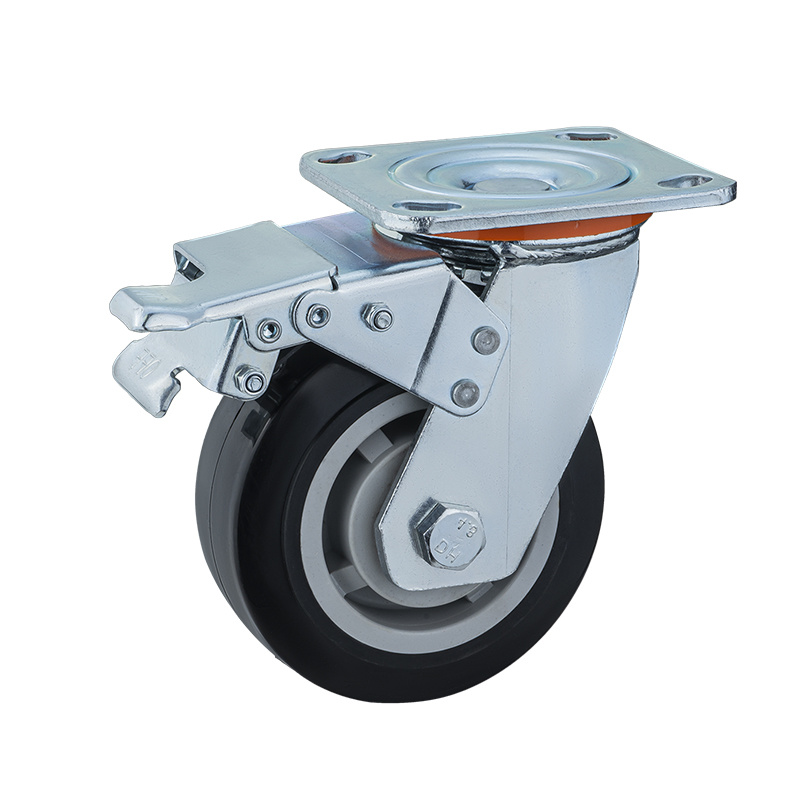
- Heavy Duty Casters: Built to support and transport heavy loads.
- Standard Casters: Suitable for lighter loads and less demanding applications.
What Are Heavy Duty Casters?
Heavy duty casters are specifically designed to handle substantial weight loads, typically ranging from 800 to 5,000 pounds or more. These casters are often made from robust materials such as steel or reinforced plastics, ensuring durability and longevity even in challenging environments.
Features of Heavy Duty Casters
- High Load Capacity: Engineered to support heavy equipment and machinery.
- Durable Materials: Often constructed with heavy gauge steel and high-performance wheels.
- Enhanced Stability: Designed with a wider wheelbase to distribute weight evenly.
- Shock Absorption: Some models include shock-absorbing features to protect both the caster and the surface it rolls on.
What Are Standard Casters?
Standard casters are commonly used for lighter applications, typically able to support loads from 150 to 800 pounds. They are versatile and can be found in a variety of settings, including offices, retail spaces, and light manufacturing environments.
Features of Standard Casters
- Moderate Load Capacity: Best suited for moving lighter objects such as furniture and equipment.
- Cost-Effective: Generally more affordable than heavy duty casters.
- Variety of Styles: Available in many designs and finishes, catering to aesthetic preferences.
- Easy to Install: Typically easier to install and replace due to their lighter construction.
Key Comparisons: Heavy Duty vs Standard Casters
When deciding between heavy duty casters and standard casters, several factors come into play. Below, we break down the key distinctions to help you choose the right type for your specific needs.
Load Capacity
The most significant difference lies in their load capacities. Heavy duty casters can handle significantly more weight than standard casters. This makes heavy duty options ideal for industrial applications where equipment and materials can be exceptionally heavy.
Material Composition
Heavy duty casters are often made from high-strength materials like steel or thermoplastic elastomers, while standard casters might use lighter materials such as plastic or aluminum. This difference in materials directly affects durability and longevity.
Cost Considerations
Heavy duty casters typically come at a higher price point due to their advanced construction and materials. In contrast, standard casters are more budget-friendly, making them suitable for lighter applications where heavy loads are not an issue.
Applications and Use Cases
Heavy duty casters are commonly found in warehouses, factories, and loading docks, where heavy machinery and equipment are prevalent. Standard casters, on the other hand, are often used in office furniture, retail displays, and light-duty carts.
Applications of Heavy Duty and Standard Casters
Understanding the applications of both heavy duty and standard casters can help you make the best choice for your needs.
Heavy Duty Caster Applications
- Industrial machinery
- Heavy-duty carts and trolleys
- Warehouse shelving units
- Material handling equipment
Standard Caster Applications
- Office chairs and desks
- Retail display stands
- Luggage carts
- Lightweight mobile workstations
How to Choose the Right Caster for Your Needs
Selecting the right caster involves several considerations to ensure optimal performance and safety. Here are some tips to guide your decision-making process:
1. Assess Load Requirements
Determine the maximum weight the caster will need to support. For heavy loads, opt for heavy duty casters.
2. Evaluate Surface Conditions
Identify the type of surface the casters will traverse. Rough or uneven surfaces may require specialized wheels for better traction.
3. Consider Maneuverability
For tight spaces, swivel casters provide better maneuverability, while rigid casters are ideal for straight-line movement.
4. Examine Material Durability
Choose casters made from materials that can withstand environmental conditions, such as moisture or chemicals.
5. Budget Constraints
Factor in your budget when selecting casters. While heavy duty options may have a higher upfront cost, they can save money in the long run due to their durability.
Maintenance Tips for Casters
Proper maintenance of casters can significantly extend their lifespan and ensure reliability. Here are some maintenance tips to consider:
Regular Inspection
Examine casters periodically for signs of wear, damage, or obstruction. Early detection can prevent larger issues down the line.
Lubrication
Keep wheel bearings lubricated to ensure smooth operation and reduce friction, which can lead to premature wear.
Cleanliness
Regularly clean casters to remove debris and dirt, which can interfere with functionality and cause damage.
Adjustments
Periodically check and tighten hardware to ensure stability and safety.
Frequently Asked Questions
1. What is the primary difference between heavy duty and standard casters?
The main difference lies in their load capacity, with heavy duty casters designed to support much heavier weights than standard casters.
2. Can standard casters be used for heavy loads?
While they may be able to move lighter heavy loads, standard casters are not designed for this purpose and can wear out or become damaged over time.
3. How do I know which caster is right for my application?
Consider the load capacity, surface conditions, and intended use when selecting a caster to ensure it meets your needs.
4. Are heavy duty casters more expensive than standard casters?
Yes, heavy duty casters generally have a higher price due to their robust materials and construction.
5. How can I prolong the life of my casters?
Regular maintenance, such as inspections, lubrication, and cleaning, can help extend the lifespan of casters.
Conclusion
Choosing between heavy duty casters and standard casters requires a clear understanding of your specific needs and applications. By considering factors like load capacity, material durability, and intended use, you can make an informed decision that enhances efficiency and safety. Proper maintenance practices will also ensure that your casters continue to perform optimally over time. Whether you need to move heavy industrial equipment or lightweight office furniture, selecting the right caster is crucial for seamless mobility.
Key words:
RELATED NEWS
The History and Evolution of Industrial Trolley Casters: A Comprehensive Overview
2025-11-08
Ultimate Guide to Heavy Duty Leveling Casters: Enhance Stability and Mobility
2025-11-01
Innovative Designs in Low Profile Heavy Duty Casters for Modern Applications
2025-10-25

CONTACT US


No. 25 Haiwei Road,Xiaolan Town, Zhongshan City. Guangdong,China 528415

Customer message