
BLOG
Understanding Heavy Duty Industrial Casters: The Backbone of Efficient Material Handling
2024-12-21
Heavy duty industrial casters are an essential component in various industrial applications, playing a crucial role in the efficient movement of heavy machinery, equipment, and materials. These casters are engineered to support significant weight loads while providing mobility and stability, making them a fundamental choice for warehouses, factories, and construction sites.
One of the most notable
Heavy duty industrial casters are an essential component in various industrial applications, playing a crucial role in the efficient movement of heavy machinery, equipment, and materials. These casters are engineered to support significant weight loads while providing mobility and stability, making them a fundamental choice for warehouses, factories, and construction sites.
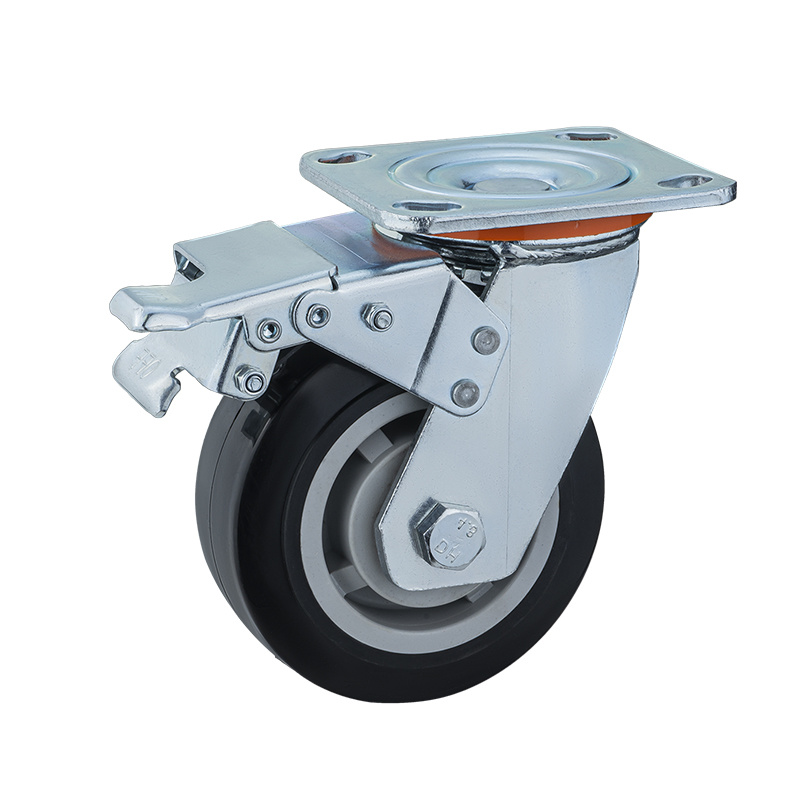
One of the most notable features of heavy duty industrial casters is their robust construction. Typically manufactured from durable materials such as steel and high-grade thermoplastics, these casters are designed to withstand the wear and tear associated with heavy loads and rugged environments. The wheel diameter is often larger than standard casters, which helps to distribute weight more evenly and reduces the effort needed to move heavy items. This feature is particularly beneficial in environments where frequent movement of equipment is required.
Another significant aspect of heavy duty industrial casters is their load capacity. Depending on the specific design and materials used, these casters can support loads ranging anywhere from several hundred to several thousand pounds. This capacity makes them ideal for applications in industries such as manufacturing, logistics, and healthcare, where heavy equipment and materials are common.
In addition to their strength and load-bearing capabilities, heavy duty industrial casters are designed with various wheel types to suit different surfaces and conditions. For example, polyurethane wheels provide smooth rolling and are suitable for indoor use, while rubber wheels offer better traction on uneven surfaces. Choosing the right wheel type for the environment is essential to ensure optimal performance and longevity of the casters.
Moreover, heavy duty industrial casters often come with features such as swivel capabilities, locking mechanisms, and mounting options that enhance their usability. Swivel casters allow for easy maneuverability around corners and tight spaces, while locking casters provide stability when the equipment is stationary. Proper mounting options ensure that the casters can be securely attached to a variety of equipment, further increasing their versatility.
Maintenance is a critical aspect of ensuring the long-term performance of heavy duty industrial casters. Regular checks for wear and tear, lubrication of moving parts, and ensuring that the locking mechanisms function correctly are essential practices. This preventative maintenance can significantly extend the life of the casters and prevent costly downtime.
In summary, heavy duty industrial casters are vital for enhancing mobility and efficiency in industrial settings. With their durable construction, high load capacity, and versatile design options, they are an indispensable tool for ensuring smooth operations across various industries. Understanding their features and maintenance needs can help businesses optimize their material handling processes, ultimately driving productivity and reducing operational costs.
Key words:
RELATED NEWS
The History and Evolution of Industrial Trolley Casters: A Comprehensive Overview
2025-11-08
The History and Evolution of Industrial Trolley Casters
Introduction to Industrial Trolley Casters
Industrial trolley casters are essential components that facilitate the movement of heavy loads across various industries. From manufacturing to warehousing, these small yet vital tools play a significant role in enhancing efficiency and productivity. Understanding the history and evolution of indust
Ultimate Guide to Heavy Duty Leveling Casters: Enhance Stability and Mobility
2025-11-01
When it comes to enhancing the mobility and stability of heavy equipment and furniture, heavy duty leveling casters are an indispensable solution. These robust accessories are designed to support substantial weight while allowing for easy maneuverability. Whether used in industrial settings, workshops, or even in home environments, the right leveling casters can make a significant difference in ef
Innovative Designs in Low Profile Heavy Duty Casters for Modern Applications
2025-10-25
Innovative Designs in Low Profile Heavy Duty Casters for Modern Applications
Table of Contents
Introduction to Low Profile Heavy Duty Casters
Key Features of Modern Low Profile Casters
Design Innovations Shaping the Future
Materials Used in the Manufacturing of Casters
Applications in Various Industries
Benefits of Low Profile Heavy Duty Casters
Maint

CONTACT US


No. 25 Haiwei Road,Xiaolan Town, Zhongshan City. Guangdong,China 528415

Customer message