
BLOG
Low Profile Heavy Duty Casters vs. Standard Casters: What’s the Difference?
2025-01-06
Low Profile Heavy Duty Casters vs. Standard Casters: What’s the Difference?
Table of Contents
1. Introduction to Casters
2. Understanding Casters: An Overview
3. What are Low Profile Heavy Duty Casters?
4. What are Standard Casters?
5. Key Differences Between Low Profile Heavy Duty Casters and Standard Casters
6. Advantages of Low Profile Heavy Duty Casters
7. Advantag
Low Profile Heavy Duty Casters vs. Standard Casters: What’s the Difference?
Table of Contents
- 1. Introduction to Casters
- 2. Understanding Casters: An Overview
- 3. What are Low Profile Heavy Duty Casters?
- 4. What are Standard Casters?
- 5. Key Differences Between Low Profile Heavy Duty Casters and Standard Casters
- 6. Advantages of Low Profile Heavy Duty Casters
- 7. Advantages of Standard Casters
- 8. Applications: When to Use Each Type
- 9. Maintenance Tips for Casters
- 10. Conclusion
- 11. Frequently Asked Questions
1. Introduction to Casters
Casters are essential components in various industries and applications, providing mobility and ease of movement to heavy loads. Understanding the differences between different types of casters can significantly impact efficiency, safety, and overall functionality. In this article, we will delve into the specifics of **low profile heavy duty casters** and **standard casters**, examining their features, benefits, and suitable applications.
2. Understanding Casters: An Overview
Before we dive into the specifics of low profile heavy duty casters and standard casters, it’s important to understand what casters are. Casters are wheeled devices attached to the bottom of furniture, equipment, or transport carts to facilitate movement. They come in various designs and materials, allowing them to cater to different weight capacities and environments.
3. What are Low Profile Heavy Duty Casters?
Low profile heavy duty casters are designed to provide enhanced stability and ease of movement for heavy loads. These casters typically have a shorter height compared to standard casters, which helps lower the center of gravity of the load they are carrying. This design is particularly beneficial in industrial settings where safety and balance are critical. **Low profile casters** are ideal for applications such as:
- **Heavy machinery** transport
- **Warehouse** equipment
- **Specialized carts** that need to navigate tight spaces
4. What are Standard Casters?
Standard casters are the most commonly used casters found in various applications, from office furniture to industrial equipment. They come in a range of sizes and materials, catering to different weight capacities and surface types. Standard casters can be either swivel or rigid, enabling flexibility in movement and direction.
Some common features of **standard casters** include:
- **Greater height** than low profile casters
- **Versatility** in applications
- Available in various **wheel materials** such as rubber, plastic, or metal
5. Key Differences Between Low Profile Heavy Duty Casters and Standard Casters
Understanding the key differences between low profile heavy duty casters and standard casters is essential when choosing the right type for your needs. Here are the primary distinctions:
Height and Design
Low profile heavy duty casters are designed to be more compact, lowering the center of gravity and enhancing stability. In contrast, standard casters are taller and provide a different set of advantages depending on the application.
Weight Capacity
Low profile heavy duty casters are engineered to carry heavier loads, making them suitable for industrial environments. Standard casters, while versatile, may have lower weight capacities depending on their size and material.
Mobility and Maneuverability
Low profile casters offer excellent control, especially in tight spaces. However, standard casters can provide smoother movement across larger areas due to their varied design options.
6. Advantages of Low Profile Heavy Duty Casters
Choosing low profile heavy duty casters comes with several advantages:
- **Enhanced Stability:** The lower height reduces the risk of tipping over, which is crucial for heavy loads.
- **Ease of Movement:** Ideal for navigating tight spaces, making them perfect for crowded warehouses or workshops.
- **Durability:** Constructed from robust materials, low profile casters withstand heavy use and adverse conditions.
7. Advantages of Standard Casters
Standard casters also offer unique benefits:
- **Versatility:** Suitable for a wide range of applications, including furniture and equipment.
- **Easier Replacement:** Due to their commonality, standard casters are often easier to replace and find.
- **Variety of Options:** Available in different materials, sizes, and designs to accommodate specific needs.
8. Applications: When to Use Each Type
Choosing between low profile heavy duty casters and standard casters largely depends on the application. Here are some scenarios for each:
When to Use Low Profile Heavy Duty Casters
- In environments with heavy machinery that requires stability and low clearance.
- For specialized equipment that needs to move through narrow aisles or doorways.
When to Use Standard Casters
- In office settings where typical office furniture needs mobility.
- For general-purpose carts that transport items across various surfaces.
9. Maintenance Tips for Casters
Proper maintenance ensures longevity and efficiency for both low profile heavy duty casters and standard casters. Here are some essential tips:
- **Regular Cleaning:** Dirt and debris can hinder performance. Regularly clean the wheels and the area around the casters.
- **Lubrication:** Apply appropriate lubricants to wheel bearings to maintain smooth movement.
- **Inspection:** Regularly inspect for signs of wear, damage, or malfunction. Replace damaged casters immediately to prevent accidents.
10. Conclusion
Understanding the differences between low profile heavy duty casters and standard casters is crucial for making informed decisions in various applications. Low profile casters excel in stability and safety for heavy loads, while standard casters provide versatility and ease of use in everyday settings. By considering your specific needs and the environments in which the casters will be utilized, you can select the best option to enhance efficiency and ensure safety.
11. Frequently Asked Questions
1. What is the weight capacity of low profile heavy duty casters?
The weight capacity can vary significantly, but low profile heavy duty casters are typically designed to handle loads from 500 to 4,000 pounds, depending on the specific model.
2. Are low profile heavy duty casters suitable for outdoor use?
Yes, many low profile heavy duty casters are designed with materials that withstand outdoor environments, but it's essential to check the specifications for weather resistance.
3. Can standard casters be used for heavy machinery?
While standard casters can handle moderate weight, they are not ideal for heavy machinery. Low profile heavy duty casters are recommended for such applications.
4. How do I choose the right caster for my application?
Consider the weight of the load, the environment in which the caster will be used, and the required mobility. Assess whether stability or versatility is your priority.
5. Is it easy to replace casters on furniture or equipment?
Yes, most casters can be easily replaced. Ensure you have the correct size and type for your specific furniture or equipment.
By comprehensively understanding the features, advantages, and applications of low profile heavy duty casters versus standard casters, we can make informed decisions that enhance mobility and safety in various environments.
Key words:
RELATED NEWS
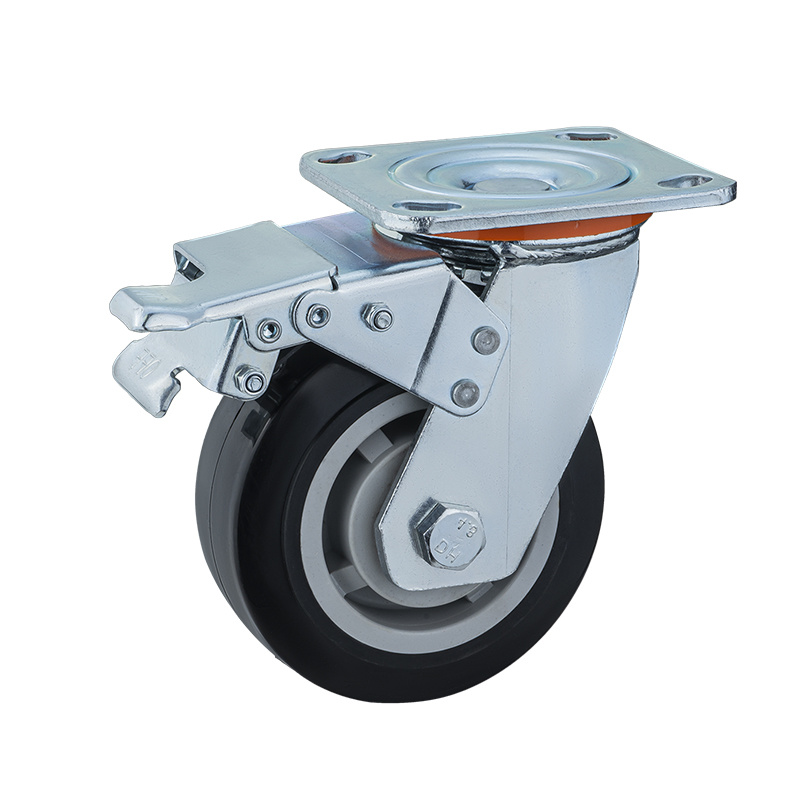
The History and Evolution of Industrial Trolley Casters: A Comprehensive Overview
2025-11-08
The History and Evolution of Industrial Trolley Casters
Introduction to Industrial Trolley Casters
Industrial trolley casters are essential components that facilitate the movement of heavy loads across various industries. From manufacturing to warehousing, these small yet vital tools play a significant role in enhancing efficiency and productivity. Understanding the history and evolution of indust
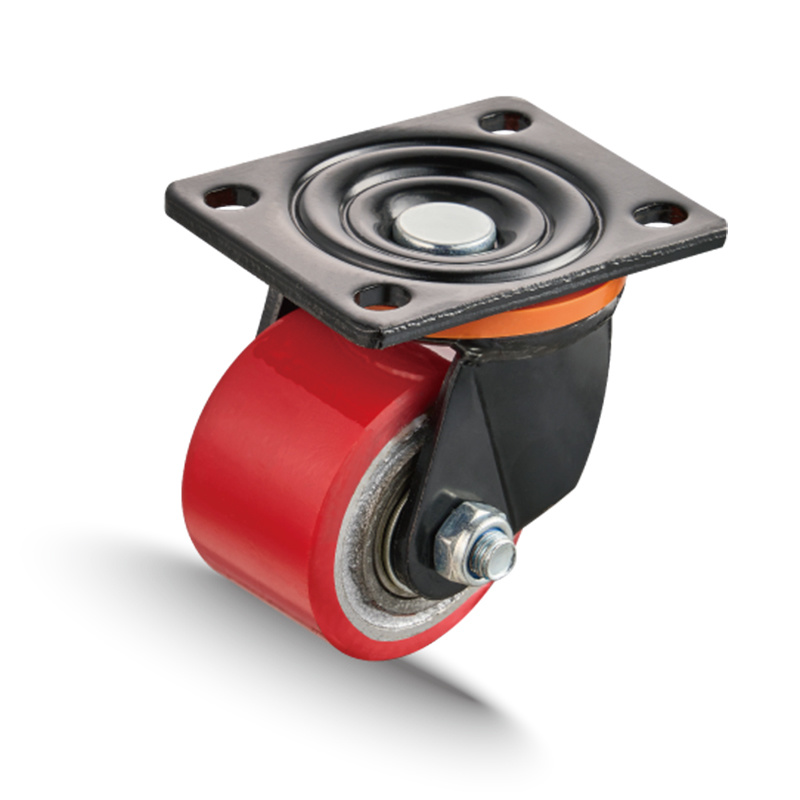
Ultimate Guide to Heavy Duty Leveling Casters: Enhance Stability and Mobility
2025-11-01
When it comes to enhancing the mobility and stability of heavy equipment and furniture, heavy duty leveling casters are an indispensable solution. These robust accessories are designed to support substantial weight while allowing for easy maneuverability. Whether used in industrial settings, workshops, or even in home environments, the right leveling casters can make a significant difference in ef
Innovative Designs in Low Profile Heavy Duty Casters for Modern Applications
2025-10-25
Innovative Designs in Low Profile Heavy Duty Casters for Modern Applications
Table of Contents
Introduction to Low Profile Heavy Duty Casters
Key Features of Modern Low Profile Casters
Design Innovations Shaping the Future
Materials Used in the Manufacturing of Casters
Applications in Various Industries
Benefits of Low Profile Heavy Duty Casters
Maint

CONTACT US


No. 25 Haiwei Road,Xiaolan Town, Zhongshan City. Guangdong,China 528415

Customer message