
BLOG
Understanding Heavy Duty Leveling Casters: Essential Insights for Professionals
2025-01-07
Heavy duty leveling casters are a pivotal component in the toolkit of many professionals across industries requiring robust mobility solutions. Designed to withstand significant weight and provide precise height adjustments, these casters play a critical role in ensuring equipment stability and mobility. The construction of heavy duty leveling casters typically features durable materials, such as
Heavy duty leveling casters are a pivotal component in the toolkit of many professionals across industries requiring robust mobility solutions. Designed to withstand significant weight and provide precise height adjustments, these casters play a critical role in ensuring equipment stability and mobility. The construction of heavy duty leveling casters typically features durable materials, such as steel or reinforced plastics, which allow them to support heavy loads while maintaining functionality.
One of the primary advantages of heavy duty leveling casters is their ability to adjust to uneven surfaces. In environments like warehouses, factories, or workshops, floor conditions can often vary, making it crucial for equipment to remain stable. Leveling casters allow users to fine-tune the height of machinery or storage units, thereby preventing tipping and enhancing safety. This adjustment capability not only boosts safety but also optimizes operational efficiency, as it keeps workspaces organized and equipment easily accessible.
When selecting heavy duty leveling casters, professionals should consider several factors to ensure they meet specific needs. First and foremost, the load capacity is paramount; understanding the weight of the equipment they will support is essential in choosing the right caster. Additionally, the wheel material is significant, as it influences the caster's durability and suitability for various floor surfaces. For instance, rubber wheels offer excellent shock absorption and are ideal for hard surfaces, while harder materials may be better suited for smooth, flat floors.
Another critical aspect is the mounting style of the casters. Leveling casters come in different configurations, including top plate, stem, and swivel options. The right choice depends on the design of the equipment and the required mobility. Swivel casters, for example, provide greater maneuverability, making it easier to navigate tight spaces, while fixed casters offer stability in a straight line.
In addition to their physical characteristics, heavy duty leveling casters contribute to workflow efficiency. By allowing equipment to be easily moved to different locations, they facilitate better organization and can help streamline operations. This mobility supports agile work environments where quick adjustments are necessary to meet changing demands.
In conclusion, heavy duty leveling casters are not merely accessories; they are essential tools that enhance stability, safety, and efficiency in various professional settings. Understanding their construction, functionality, and selection criteria empowers professionals to make informed decisions that ultimately contribute to smoother operations and increased productivity. Investing in high-quality leveling casters can transform the way equipment is utilized in any workspace, making them a worthy consideration for anyone looking to improve their existing setup.
Key words:
RELATED NEWS
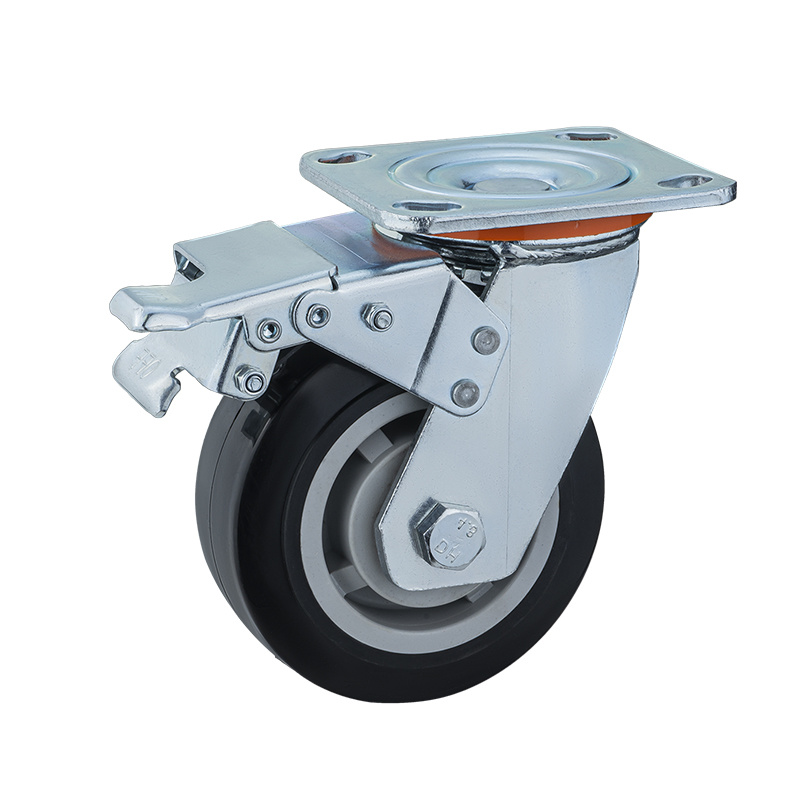
The History and Evolution of Industrial Trolley Casters: A Comprehensive Overview
2025-11-08
The History and Evolution of Industrial Trolley Casters
Introduction to Industrial Trolley Casters
Industrial trolley casters are essential components that facilitate the movement of heavy loads across various industries. From manufacturing to warehousing, these small yet vital tools play a significant role in enhancing efficiency and productivity. Understanding the history and evolution of indust
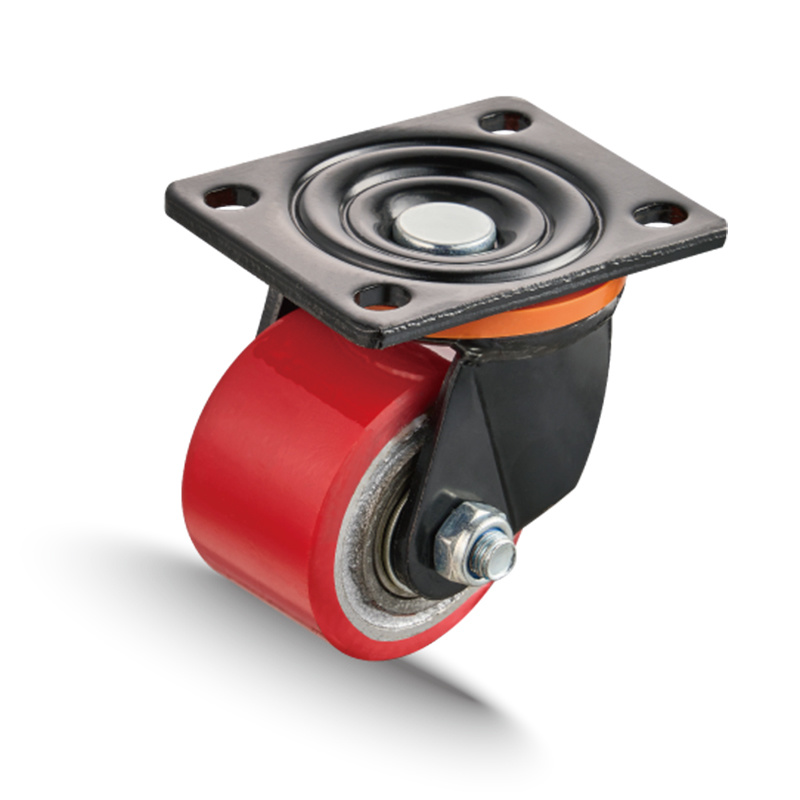
Ultimate Guide to Heavy Duty Leveling Casters: Enhance Stability and Mobility
2025-11-01
When it comes to enhancing the mobility and stability of heavy equipment and furniture, heavy duty leveling casters are an indispensable solution. These robust accessories are designed to support substantial weight while allowing for easy maneuverability. Whether used in industrial settings, workshops, or even in home environments, the right leveling casters can make a significant difference in ef
Innovative Designs in Low Profile Heavy Duty Casters for Modern Applications
2025-10-25
Innovative Designs in Low Profile Heavy Duty Casters for Modern Applications
Table of Contents
Introduction to Low Profile Heavy Duty Casters
Key Features of Modern Low Profile Casters
Design Innovations Shaping the Future
Materials Used in the Manufacturing of Casters
Applications in Various Industries
Benefits of Low Profile Heavy Duty Casters
Maint

CONTACT US


No. 25 Haiwei Road,Xiaolan Town, Zhongshan City. Guangdong,China 528415

Customer message