
BLOG
Unlocking the Power of Industrial Casters: Essential Insights for Your Business
2025-02-02
---
Industrial casters are pivotal components in various industries, providing essential mobility and convenience for equipment and furniture. Understanding their types, materials, and operational considerations is crucial for anyone involved in the hardware tools and accessories sector.
Firstly, industrial casters come in two primary types: rigid and swivel. Rigid casters are fixed in a single d
---
Industrial casters are pivotal components in various industries, providing essential mobility and convenience for equipment and furniture. Understanding their types, materials, and operational considerations is crucial for anyone involved in the hardware tools and accessories sector.
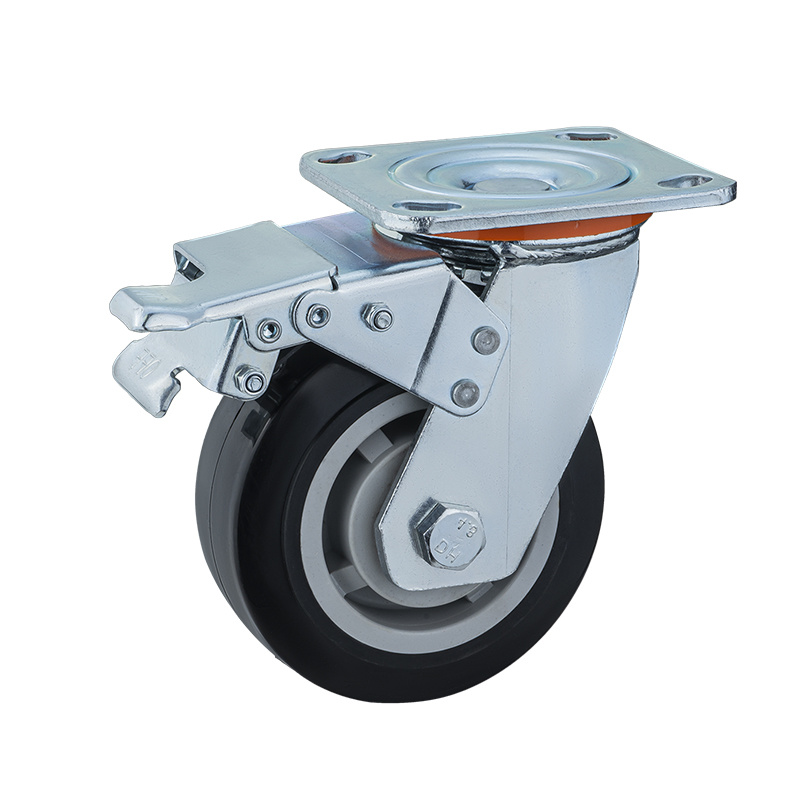
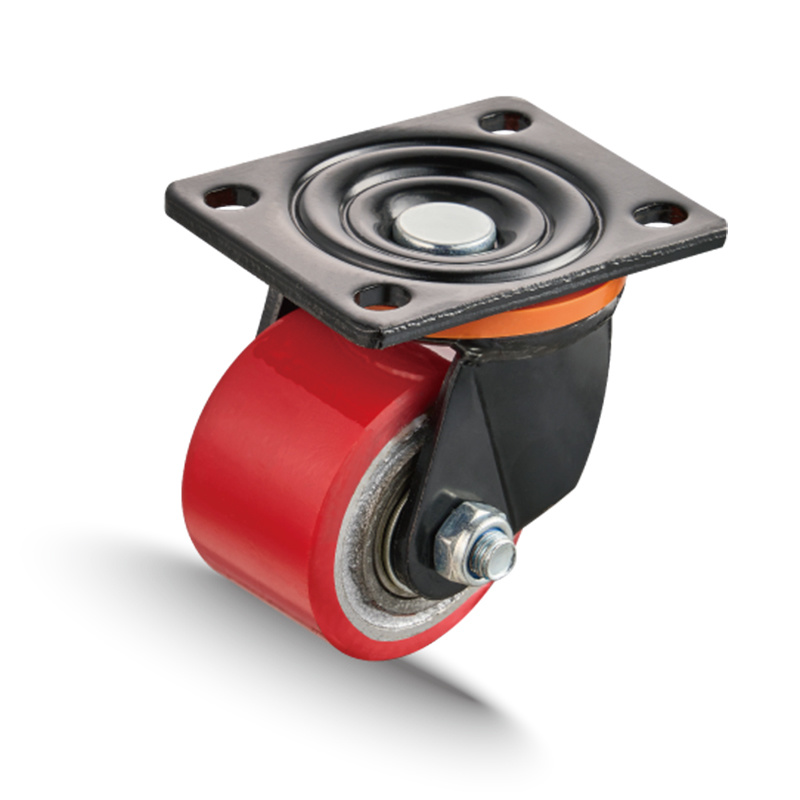
Firstly, industrial casters come in two primary types: rigid and swivel. Rigid casters are fixed in a single direction, making them ideal for straight-line movement. Conversely, swivel casters can rotate 360 degrees, allowing for greater maneuverability in tight spaces. For applications that require both types, a combination of rigid and swivel casters can be used to optimize movement and functionality.
Material selection is another vital aspect in the realm of industrial casters. Casters can be made from various materials, including polyurethane, rubber, nylon, and steel. Each material offers distinct advantages. For instance, polyurethane casters are known for their durability and resistance to wear, making them suitable for heavy loads and outdoor use. Rubber casters, on the other hand, provide excellent shock absorption and are quiet on hard surfaces, making them ideal for environments that require noise reduction.
When selecting industrial casters, several factors should be considered to ensure optimal performance. Load capacity is perhaps the most critical aspect. Each caster has a weight limit, and exceeding this can lead to premature wear and potential failure. Additionally, the size of the caster can affect its load-bearing capabilities. Larger casters generally distribute weight more evenly and are better for navigating over obstacles.
Another key consideration is the surface on which the casters will operate. Different surfaces may require specific types of wheels to prevent damage and ensure smooth movement. For instance, casters used on concrete floors may require different wheel materials compared to those on carpeted surfaces. Furthermore, environmental factors such as temperature, exposure to chemicals, and moisture levels can influence the selection of materials for casters.
Maintenance is also crucial in prolonging the lifespan of industrial casters. Regular inspections for signs of wear and tear, wheel alignment, and lubrication of swivel mechanisms can significantly enhance their performance and reliability. Keeping the casters clean and free from debris is essential, as buildup can impede movement and cause damage.
In conclusion, industrial casters play a vital role in enhancing mobility in various applications. Understanding their types, materials, and the factors influencing their selection can empower businesses to make informed decisions. By prioritizing quality and maintenance, companies can ensure that their equipment remains efficient and reliable, ultimately leading to improved operational productivity.
Key words:
RELATED NEWS
The History and Evolution of Industrial Trolley Casters: A Comprehensive Overview
2025-11-08
The History and Evolution of Industrial Trolley Casters
Introduction to Industrial Trolley Casters
Industrial trolley casters are essential components that facilitate the movement of heavy loads across various industries. From manufacturing to warehousing, these small yet vital tools play a significant role in enhancing efficiency and productivity. Understanding the history and evolution of indust
Ultimate Guide to Heavy Duty Leveling Casters: Enhance Stability and Mobility
2025-11-01
When it comes to enhancing the mobility and stability of heavy equipment and furniture, heavy duty leveling casters are an indispensable solution. These robust accessories are designed to support substantial weight while allowing for easy maneuverability. Whether used in industrial settings, workshops, or even in home environments, the right leveling casters can make a significant difference in ef
Innovative Designs in Low Profile Heavy Duty Casters for Modern Applications
2025-10-25
Innovative Designs in Low Profile Heavy Duty Casters for Modern Applications
Table of Contents
Introduction to Low Profile Heavy Duty Casters
Key Features of Modern Low Profile Casters
Design Innovations Shaping the Future
Materials Used in the Manufacturing of Casters
Applications in Various Industries
Benefits of Low Profile Heavy Duty Casters
Maint

CONTACT US


No. 25 Haiwei Road,Xiaolan Town, Zhongshan City. Guangdong,China 528415

Customer message