
BLOG
How to Select Heavy Duty Casters for Optimal Load Capacity
2025-02-03
How to Select Heavy Duty Casters for Optimal Load Capacity
When it comes to ensuring smooth mobility for heavy equipment, selecting the right heavy-duty casters is crucial. With various options available in the market, understanding the factors that contribute to optimal load capacity is essential for safety and performance. In this guide, we will explore everything you need to know about choosing heavy-duty casters that can handle your specific load requirements effectively.
Table of Contents
- Understanding Load Capacity of Heavy-Duty Casters
- Key Factors in Caster Selection
- Different Types of Heavy-Duty Casters
- Wheel Materials and Design Considerations
- Mounting Options for Heavy-Duty Casters
- Calculating Load Capacity for Casters
- Maintenance and Care for Heavy-Duty Casters
- Frequently Asked Questions
- Conclusion
Understanding Load Capacity of Heavy-Duty Casters
Load capacity refers to the maximum weight a caster can safely support while maintaining optimal performance. It's critical to understand both the static and dynamic load capacities. The static load capacity is the maximum weight a caster can bear when stationary, while the dynamic capacity refers to the weight it can handle during movement.
Generally, heavy-duty casters are rated for loads ranging from 1,000 to 5,000 pounds or more. When selecting casters, it’s essential to choose models that exceed your equipment's total weight, including any additional load, to prevent accidents and equipment failure.
Key Factors in Caster Selection
Several key factors will influence your choice of heavy-duty casters:
- Weight Capacity: Ensure the casters can handle more than your total load.
- Type of Surface: Different surfaces (concrete, carpet, etc.) require different wheel materials.
- Frequency of Movement: Consider how often the equipment will be moved.
- Environmental Conditions: Indoor vs. outdoor use significantly impacts material choice.
- Swivel vs. Rigid: Swivel casters offer maneuverability, while rigid casters provide straight-line tracking.
Weight Capacity
Determining your equipment's total weight is the first step in selecting heavy-duty casters. This includes the weight of the item being transported, any additional tools or materials, and the equipment's overall weight. Always select casters with a higher load rating than your calculated total to account for unexpected weight shifts or impacts.
Type of Surface
The surface over which the casters will roll affects the wheel material and design. For instance, softer wheels are ideal for delicate surfaces to prevent damage, while harder wheels are suitable for rough or uneven surfaces.
Different Types of Heavy-Duty Casters
Heavy-duty casters can be categorized into several types, each designed for specific applications:
Swivel Casters
Swivel casters provide enhanced maneuverability, allowing items to turn in tight spaces. They are ideal for applications requiring frequent direction changes.
Rigid Casters
Rigid casters are designed for straight-line movement and are often used in conjunction with swivel casters to create a balanced system. They are typically more durable and suited for heavy loads.
Braked Casters
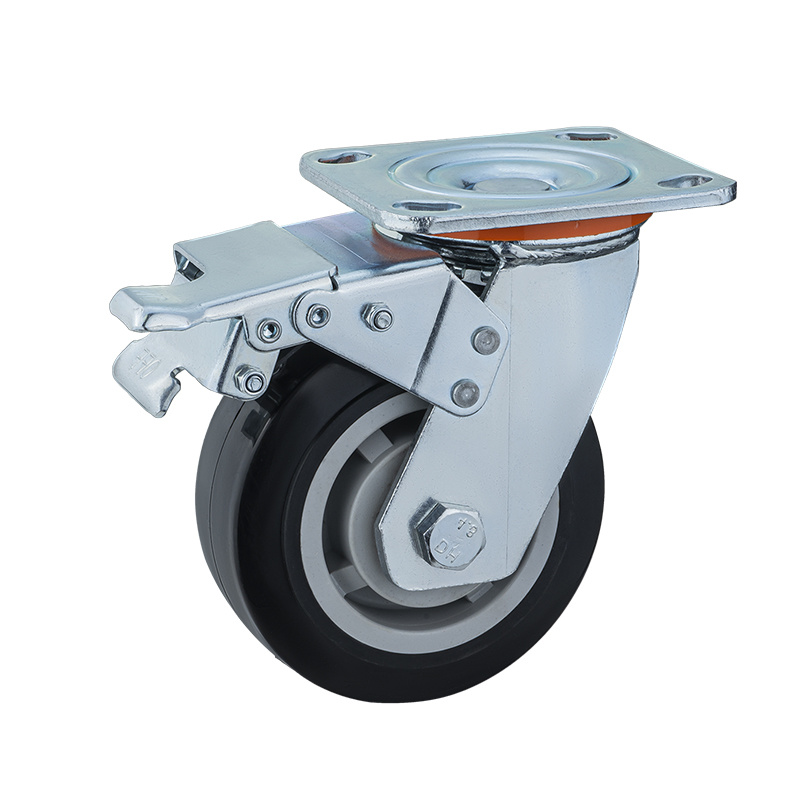
Braked casters come equipped with a locking mechanism to prevent movement when stationary. This feature is vital in applications where stability is crucial.
Wheel Materials and Design Considerations
The material of the wheel plays a vital role in load capacity and surface compatibility. Here are common materials used in heavy-duty casters:
Rubber Wheels
Rubber wheels are quiet and provide excellent shock absorption, making them suitable for indoor use on hard surfaces. They are ideal for delicate items as they minimize surface damage.
Polyurethane Wheels
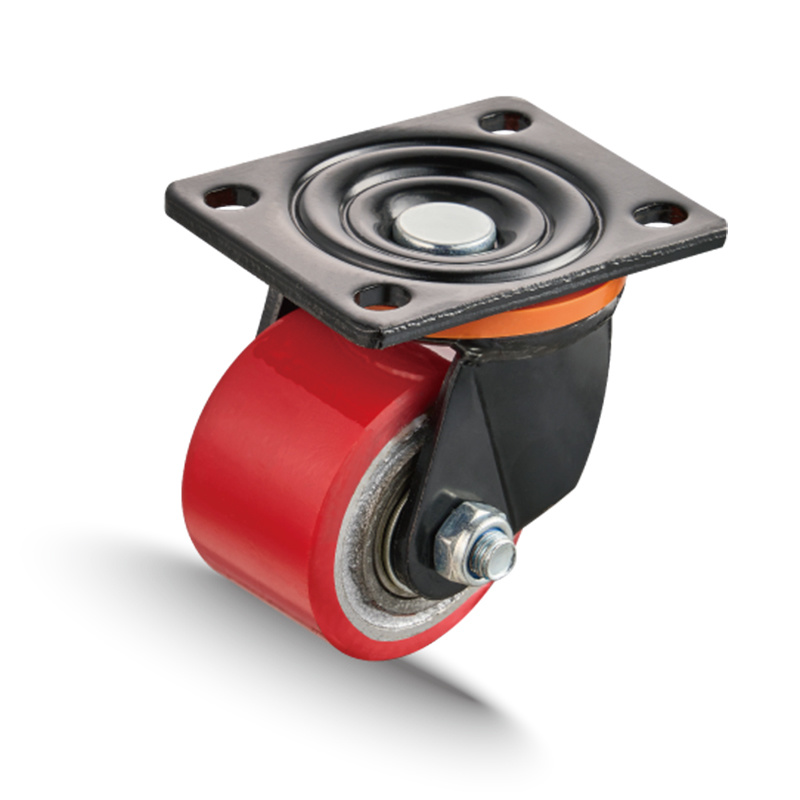
Polyurethane wheels offer durability and resistance to wear, cuts, and abrasions. They are suitable for both indoor and outdoor use and can handle heavy loads effectively.
Metal Wheels
Metal wheels are designed for extreme durability and are often used in industrial environments. They can withstand high temperatures and are resistant to chemicals.
Mounting Options for Heavy-Duty Casters
The mounting style of heavy-duty casters can significantly affect their functionality. Common mounting options include:
Top Plate Mounting
This is a versatile option that allows for easy installation on various equipment types. The top plate is bolted directly to the equipment, providing a secure attachment.
Stem Mounting
Stem-mounted casters are ideal for furniture and smaller equipment. They fit into a socket on the base, making them easy to install and replace.
Threaded Stem Mounting
Threaded stem casters screw into a pre-threaded hole, providing a secure and stable mount. This option is ideal for applications requiring frequent caster changes.
Calculating Load Capacity for Casters
To accurately calculate the load capacity required for your casters, follow these steps:
- Determine the Total Weight: Include the equipment weight and any additional load.
- Factor in Weight Distribution: Assess how the weight is distributed across the casters.
- Multiply for Safety: Add a safety margin of at least 25% to the total weight to ensure caster reliability.
For example, if your equipment weighs 1,000 pounds, and you anticipate an additional 200 pounds of load, your total weight is 1,200 pounds. To ensure safety, multiply by 1.25, bringing your required load capacity to 1,500 pounds.
Maintenance and Care for Heavy-Duty Casters
Regular maintenance of heavy-duty casters is essential to optimize their lifespan and functionality. Key maintenance tips include:
- Regular Inspections: Check for any signs of wear, damage, or misalignment.
- Cleaning: Keep wheels free from debris and dirt that could hinder movement.
- Lubrication: Apply lubricant to bearings and moving parts to minimize friction and wear.
- Replacing Worn Casters: If a caster shows signs of significant wear, replace it immediately to avoid mishaps.
Frequently Asked Questions
1. How do I choose the right size caster for my equipment?
Consider the weight capacity, environment, and movement frequency. Additionally, ensure the caster's dimensions fit your equipment's mounting style.
2. Can I mix swivel and rigid casters on the same equipment?
Yes, many applications benefit from a combination of both types for enhanced maneuverability and straight-line tracking.
3. What is the best material for heavy-duty casters?
Polyurethane is often the best choice due to its durability, resistance to wear, and versatility for various surfaces.
4. How often should I perform maintenance on my heavy-duty casters?
Regular inspections should be conducted monthly, with detailed maintenance performed at least quarterly, depending on usage frequency.
5. What safety precautions should I take when using heavy-duty casters?
Always ensure that load limits are respected, check lock mechanisms before use, and keep the area around the casters clear of obstacles.
Conclusion
Selecting the right heavy-duty casters is vital for ensuring safety, efficiency, and ease of movement in various applications. By understanding load capacity, material options, and maintenance requirements, you can make informed decisions that enhance the performance of your equipment. Invest time in evaluating your needs, and choose heavy-duty casters that meet your specific requirements for optimal load capacity and durability.
Key words:
RELATED NEWS
The History and Evolution of Industrial Trolley Casters: A Comprehensive Overview
2025-11-08
Ultimate Guide to Heavy Duty Leveling Casters: Enhance Stability and Mobility
2025-11-01
Innovative Designs in Low Profile Heavy Duty Casters for Modern Applications
2025-10-25

CONTACT US


No. 25 Haiwei Road,Xiaolan Town, Zhongshan City. Guangdong,China 528415

Customer message