
BLOG
Top Features to Look for in Medium Duty Casters: Your Ultimate Guide
2024-11-18
Top Features to Look for in Medium Duty Casters
Introduction to Medium Duty Casters
When it comes to optimizing mobility in various industries, medium duty casters play a crucial role. They are versatile, capable of handling a wide range of loads, and are frequently used in warehouses, manufacturing, and retail environments. Selecting the right casters can significantly enhance efficiency and safety. In this guide, we will explore the top features to look for in medium duty casters, ensuring that you have all the information needed to make an informed decision.
Understanding Load Capacity
What is Load Capacity?
Load capacity refers to the maximum weight that a caster can support safely. For medium duty casters, this typically ranges from 150 to 1,200 pounds per wheel. Choosing the right load capacity is essential to ensure that the caster can handle the demands of your application without failure.
Calculating Your Needs
To determine the appropriate load capacity, consider the total weight of the item being moved, including any additional weight from contents or attachments. It is wise to add a safety margin of 20-30% to ensure longevity and reliability.
Wheel Materials and Their Importance
Common Wheel Materials
The choice of wheel material affects a caster's performance, durability, and suitability for specific surfaces. Common materials include:
- Polyurethane: Known for its durability and floor protection, polyurethane wheels are excellent for a variety of surfaces and loads.
- Rubber: These wheels provide good traction and are ideal for noise reduction. They excel on uneven surfaces.
- Nylon: Lightweight and resistant to chemicals, nylon wheels are perfect for industrial applications but may not be suitable for delicate floors.
Choosing the Right Material for Your Application
Evaluate the environment in which the casters will be used. For instance, if you need casters for outdoor use, consider weather-resistant materials. If your work involves heavy machinery, opt for robust materials like polyurethane or rubber.
Swivel vs. Fixed Casters: Making the Right Choice
The Benefits of Swivel Casters
Swivel casters allow for greater maneuverability, making them ideal for tight spaces and complex movements. They rotate 360 degrees, which is particularly useful in environments where navigating around obstacles is common.
The Advantages of Fixed Casters
Fixed casters provide straightforward movement in a straight line. They are perfect for applications that require stability and are often used on larger, heavier equipment. Understanding when to use each type is critical for effective operation.
Brake Mechanisms: Enhancing Safety and Control
Types of Brakes Available
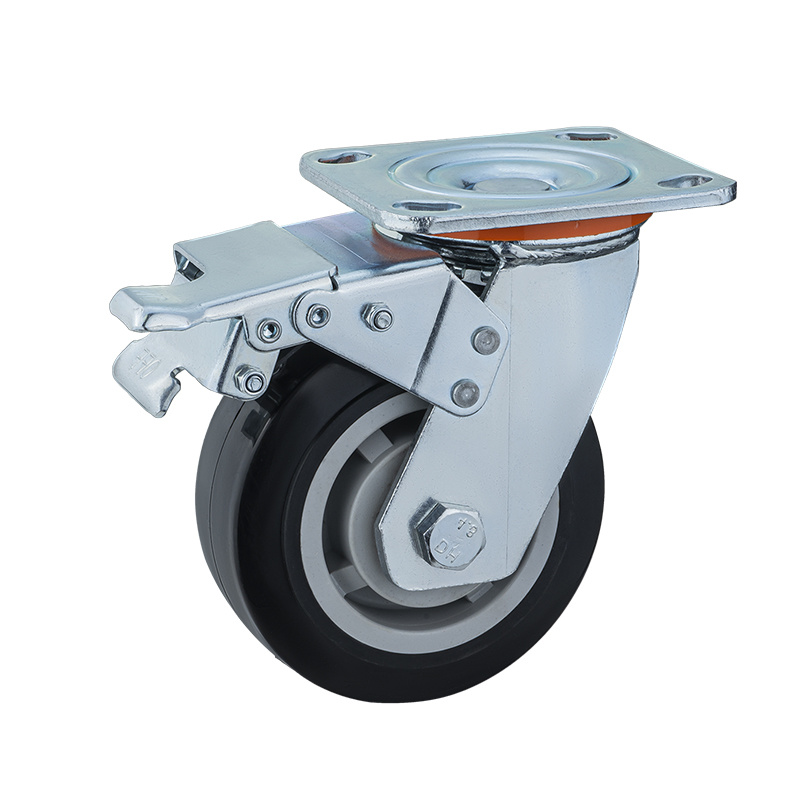
Brakes are an essential feature for enhancing safety, especially in environments where loads may shift unexpectedly. The primary types of brake systems include:
- Total Lock Brakes: These lock the wheel and the swivel, preventing any movement. They are ideal for stationary equipment.
- Directional Lock Brakes: These allow the wheel to rotate but prevent it from moving sideways, providing controlled movement.
Choosing the Right Brake Mechanism
Considering your operational needs is vital. If you frequently move heavy loads on inclines, total lock brakes may be necessary to ensure safety. Conversely, if you require more agile movement, directional locks may suffice.
Wheel Diameter: The Influence on Performance
Why Wheel Diameter Matters
The diameter of the wheel influences how easily loads can be moved and how well they handle obstacles. Larger diameter wheels roll more easily over debris and rough surfaces, making them ideal for outdoor or uneven terrain.
Finding the Optimal Wheel Size
When selecting a wheel size, consider both the surface conditions and the weight of the load. Typically, wheels measuring between 4 to 8 inches in diameter are suitable for medium duty applications.
Environmental Considerations: Indoor vs. Outdoor Use
Casters for Indoor Applications
For indoor use, focus on wheel materials that protect flooring, such as polyurethane or soft rubber. You also want to ensure that the wheels can handle the specific loads and conditions of your workspace.
Outdoor Caster Requirements
Outdoor casters should be weather-resistant and durable. Look for wheels made from materials that can withstand moisture and UV exposure. Additionally, ensure that the casters can handle potential debris and uneven surfaces typically found in outdoor environments.
Custom Features: Tailoring Casters to Your Needs
Understanding Customization Options
Many manufacturers offer customization options for medium duty casters. Consider features such as:
- Different wheel sizes and materials
- Unique braking systems
- Special finishes for increased corrosion resistance
Benefits of Custom Casters
Custom casters ensure that you are getting the right specifications for your unique application, which can lead to improved efficiency and safety in your operations.
FAQ Section
What is the average load capacity of medium duty casters?
The average load capacity ranges from 150 to 1,200 pounds per wheel, depending on the specific model and manufacturer.
How do I determine the right wheel material for my environment?
Consider the surface conditions (e.g., rough, smooth, indoor, outdoor) and the type of loads being transported when selecting the wheel material.
What is the difference between swivel and fixed casters?
Swivel casters can rotate 360 degrees for better maneuverability, while fixed casters are designed for straight-line movement, providing stability.
Are brakes necessary for all medium duty casters?
While not strictly necessary, brakes enhance safety and control, especially in environments with heavy or rolling loads.
Can I customize medium duty casters?
Yes, many manufacturers offer customization options, including wheel size, material, and braking mechanisms tailored to specific needs.
Conclusion
Selecting the right medium duty casters is pivotal for ensuring efficient and safe operations in various environments. By considering factors such as load capacity, wheel materials, swivel versus fixed options, and brake mechanisms, you can make informed decisions that enhance mobility and productivity. Whether it’s for an industrial setting or a retail floor, understanding the unique features of medium duty casters will facilitate smoother operations and prevent costly disruptions. With the right casters in place, you'll not only improve workflow but also ensure the safety of both personnel and equipment.
Key words:
RELATED NEWS
The History and Evolution of Industrial Trolley Casters: A Comprehensive Overview
2025-11-08
Ultimate Guide to Heavy Duty Leveling Casters: Enhance Stability and Mobility
2025-11-01
Innovative Designs in Low Profile Heavy Duty Casters for Modern Applications
2025-10-25

CONTACT US


No. 25 Haiwei Road,Xiaolan Town, Zhongshan City. Guangdong,China 528415

Customer message