
BLOG
How to Choose the Right Industrial Trolley Casters for Your Needs
2024-11-14
How to Choose the Right Industrial Trolley Casters for Your Needs
When it comes to enhancing operational efficiency in industrial settings, the selection of the right trolley casters plays a pivotal role. Casters are more than just wheels; they are vital components that facilitate mobility and the safe transportation of heavy loads. In this article, we will delve into the essential aspects of choosing industrial trolley casters tailored to your specific requirements.
Understanding Industrial Trolley Casters
Industrial trolley casters come in various designs and configurations, each suited to different applications. Familiarizing yourself with the basic types of casters is crucial for making an informed decision.
Types of Industrial Casters
There are primarily three types of industrial casters: rigid, swivel, and locking casters.
- Rigid Casters: These casters only move in a straight line, providing stability and support for heavy loads.
- Swivel Casters: Swivel casters can pivot 360 degrees, making maneuverability easier in tight spaces.
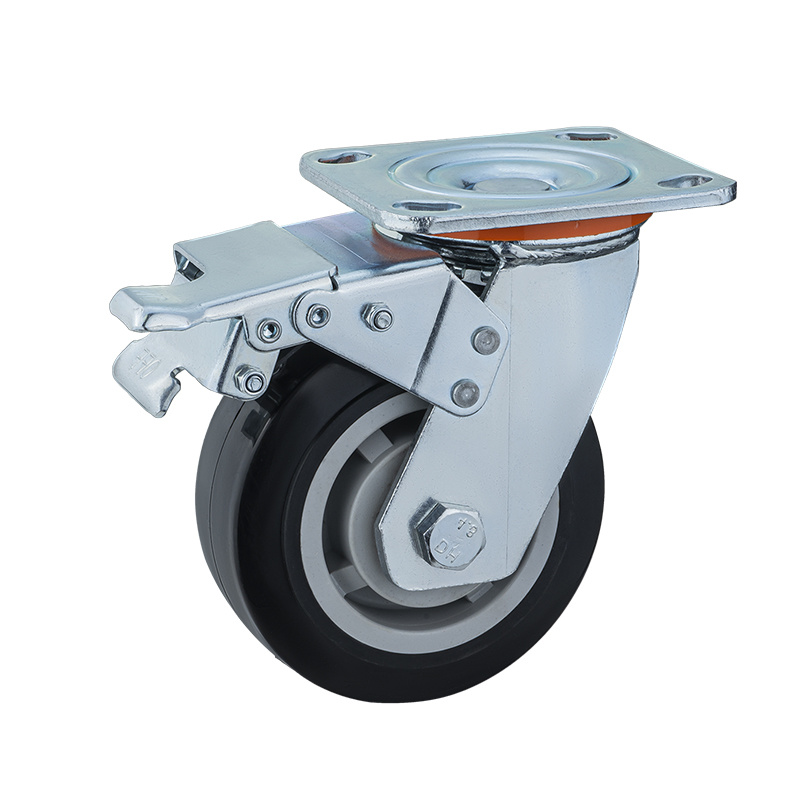
- Locking Casters: These casters feature a mechanism that locks the wheel in place, providing stability during loading and unloading tasks.
Applications of Industrial Casters
Understanding where and how you intend to use the casters is essential. Common applications include:
- Warehouse and logistics operations
- Manufacturing facilities
- Hospitality and retail environments
- Automotive and aerospace industries
Key Factors to Consider When Choosing Industrial Trolley Casters
Selecting the right industrial trolley casters involves assessing several critical factors. Below, we explore these factors in detail to help you make an informed choice.
1. Load Capacity
One of the most crucial aspects of selecting casters is understanding their load capacity. Each caster has a specified weight limit, and exceeding this can lead to accidents and equipment failure. To determine the appropriate load capacity:
- Calculate the total weight of the load being transported.
- Consider additional factors, such as dynamic loads during movement.
- Select casters that can handle at least 25-30% more than the maximum load weight.
2. Material Composition
The material of the caster wheel significantly affects its performance and durability. Common materials include:
- Rubber: Ideal for shock absorption and noise reduction. Suitable for hard surfaces.
- Polyurethane: Offers excellent load-bearing capacity and is resistant to wear and tear.
- Metal: Used for heavy-duty applications, metal casters are robust and durable but may cause floor damage.
3. Wheel Size
The size of the caster wheel can greatly influence its performance. Larger wheels typically roll more easily over obstacles and uneven surfaces, while smaller wheels are better for tighter spaces. Consider the following:
- Larger wheels are ideal for transporting heavy loads across rough surfaces.
- Smaller wheels are suitable for lighter loads and smooth surfaces.
4. Floor Surface Compatibility
The type of floor surface in your operational area plays a significant role in caster selection. Evaluate the following scenarios:
- Concrete Floors: Hard and durable wheels like polyurethane or rubber are recommended.
- Wooden Floors: Opt for softer wheels to prevent scratching.
- Uneven Surfaces: Larger, more robust wheels can handle irregularities better.
5. Environmental Conditions
Consider the environment in which the casters will operate. Factors such as temperature, moisture, and exposure to chemicals can influence your choice:
- Heat-Resistant Casters: Necessary for high-temperature environments.
- Corrosion-Resistant Casters: Ideal for areas with exposure to moisture or chemicals.
6. Braking Mechanism
The braking system is an essential safety feature for industrial casters. Options include:
- Foot-Activated Brakes: Allow for quick engagement and disengagement.
- Hand-Controlled Brakes: Provide more precise control over caster movement.
7. Maintenance and Longevity
Maintenance is crucial for ensuring the longevity of industrial trolley casters. Regular maintenance checks can help identify wear and tear early. Consider the following maintenance tips:
- Inspect casters regularly for signs of damage or wear.
- Lubricate moving parts as necessary to ensure smooth operation.
- Replace worn-out casters promptly to avoid accidents.
Cost vs. Quality: What to Prioritize
While it may be tempting to go for the cheapest option, investing in high-quality casters can save you money in the long run. Weigh the following:
- Quality casters offer better durability, reducing replacement frequency.
- High-quality materials can enhance safety and efficiency in operations.
Where to Buy Industrial Trolley Casters
When sourcing industrial trolley casters, it’s essential to buy from reputable suppliers. Look for:
- Manufacturers with a strong track record in the industry.
- Suppliers that offer a broad range of options to meet various needs.
- Customer reviews and testimonials to gauge product performance.
FAQs about Industrial Trolley Casters
1. What is the average load capacity of industrial trolley casters?
The average load capacity varies widely, generally ranging from 100 lbs to over 10,000 lbs, depending on the caster's design and materials. Always check the manufacturer's specifications.
2. How often should I replace my industrial casters?
Casters should be inspected regularly, and replaced when they show signs of wear or failure. On average, replacement may be necessary every 1-3 years, depending on usage.
3. Can I use the same casters on different surfaces?
While some casters are versatile, it’s best to choose casters specifically designed for the floor surface they will be used on to ensure optimal performance.
4. Are locking casters necessary for all applications?
Locking casters are not required for all applications but are recommended in scenarios involving uneven surfaces or when stability is essential during loading and unloading.
5. What maintenance do industrial casters require?
Maintenance includes regular inspections for damage, lubrication of moving parts, and prompt replacement of any worn-out components to ensure safety and efficiency.
Conclusion
Selecting the right industrial trolley casters requires careful consideration of several factors, including load capacity, material composition, wheel size, floor compatibility, and environmental conditions. By prioritizing quality and conducting regular maintenance, you can ensure the longevity and efficiency of your casters, ultimately enhancing productivity in your operations. With the insights provided in this guide, you are now equipped to make an informed decision that best meets your industrial needs.
Key words:
RELATED NEWS
The History and Evolution of Industrial Trolley Casters: A Comprehensive Overview
2025-11-08
Ultimate Guide to Heavy Duty Leveling Casters: Enhance Stability and Mobility
2025-11-01
Innovative Designs in Low Profile Heavy Duty Casters for Modern Applications
2025-10-25

CONTACT US


No. 25 Haiwei Road,Xiaolan Town, Zhongshan City. Guangdong,China 528415

Customer message