
BLOG
Understanding Heavy Duty Industrial Casters: Your Guide to Choosing the Right Wheels for Maximum Efficiency
2024-11-11
Heavy duty industrial casters are essential components in various industrial settings, designed to facilitate the movement of heavy loads with ease and efficiency. These casters are engineered to support substantial weight and endure demanding conditions, making them ideal for applications in warehouses, factories, and loading docks. Understanding the key features and benefits of heavy duty industrial casters can help you choose the right wheels for your specific needs.
One of the primary considerations when selecting heavy duty industrial casters is the load capacity. These casters can typically handle loads ranging from a few hundred to several thousand pounds, depending on their design and construction. It's important to assess the maximum weight your operations require and choose casters that can support that load without compromising safety or performance.
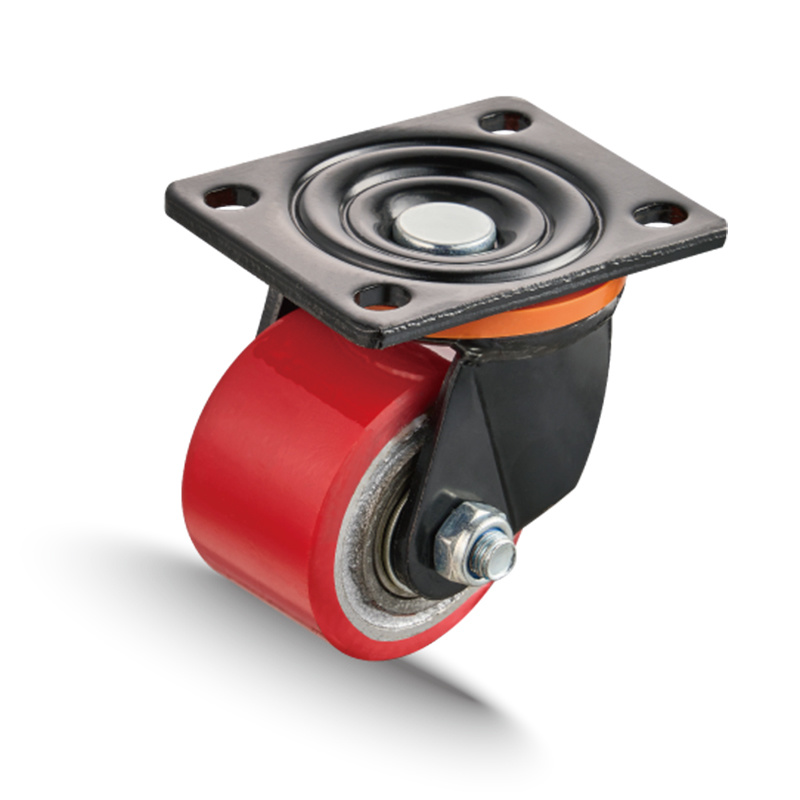
Material composition also plays a crucial role in the performance of heavy duty industrial casters. Common materials include rubber, polyurethane, and metal. Rubber casters offer excellent shock absorption and are suitable for smooth surfaces, while polyurethane casters provide a durable option that can withstand rough terrains and resist wear. Metal casters, often made of steel or aluminum, offer superior strength but may not be suitable for all floor types due to the noise they generate. Therefore, consider both the surface type and the environment in which the casters will be used when making your selection.
Another significant factor to consider is the wheel diameter. Larger wheels typically roll more easily over obstacles and uneven surfaces, reducing the effort required to move heavy loads. Conversely, smaller wheels may be more maneuverable in tight spaces but can struggle on rough terrain. Balancing diameter with your operational requirements is key to optimizing mobility and efficiency.
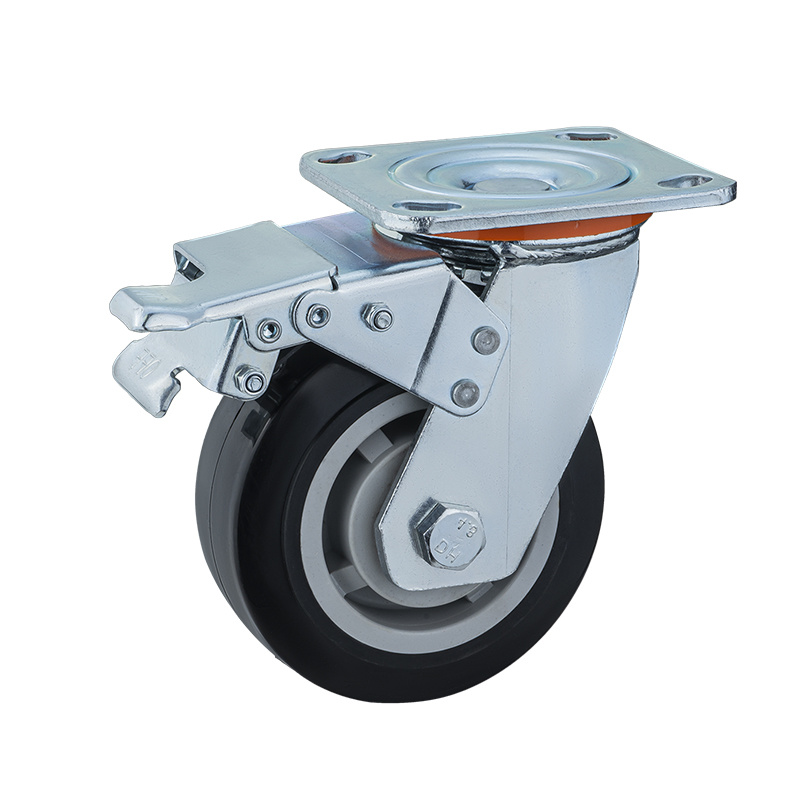
Braking mechanisms are another important aspect of heavy duty industrial casters. Depending on your application, you may need casters with locking brakes to secure equipment in place when not in motion. This feature ensures safety, particularly in environments where equipment may be subject to movement or vibration.
Finally, consider the overall design of the caster. Swivel casters provide maneuverability, allowing for easy navigation around corners, while rigid casters offer stability for straight-line movement. Depending on your specific needs, a combination of both may be beneficial for your operations.
In summary, heavy duty industrial casters are vital for optimizing the mobility of heavy loads in industrial settings. By considering load capacity, material composition, wheel diameter, braking mechanisms, and overall design, you can make informed decisions that enhance the efficiency and safety of your operations. Armed with this knowledge, you can ensure that your choice of industrial casters meets the demands of your work environment effectively.
Key words:
RELATED NEWS
The History and Evolution of Industrial Trolley Casters: A Comprehensive Overview
2025-11-08
Ultimate Guide to Heavy Duty Leveling Casters: Enhance Stability and Mobility
2025-11-01
Innovative Designs in Low Profile Heavy Duty Casters for Modern Applications
2025-10-25

CONTACT US


No. 25 Haiwei Road,Xiaolan Town, Zhongshan City. Guangdong,China 528415

Customer message