
BLOG
Top 5 Applications for Heavy Duty Casters in Industrial Settings
2024-11-10
Top 5 Applications for Heavy Duty Casters in Industrial Settings
Heavy-duty casters serve as essential components in industrial settings, allowing for efficient movement and transportation of heavy loads. Their design and functionality enable industries to optimize workflows, improve safety, and increase productivity. In this article, we will explore the **top five applications** of heavy-duty casters in industrial environments, providing detailed insights into their roles and benefits.
Table of Contents
- 1. Material Handling and Warehousing
- 2. Manufacturing Assembly Lines
- 3. Hospital Equipment Mobility
- 4. Retail and Display Fixtures
- 5. Food Service and Catering Equipment
- Frequently Asked Questions
- Conclusion
1. Material Handling and Warehousing
In the realm of **material handling and warehousing**, heavy-duty casters are indispensable. These casters facilitate the movement of pallets, carts, and other equipment, significantly enhancing the efficiency of inventory management. The ability to transport heavy loads effortlessly contributes to reduced labor costs and improved workflow.
Heavy-duty casters made from durable materials such as polyurethane or rubber provide superior grip and traction, minimizing the risk of accidents. Additionally, their load capacities, often exceeding 1,000 pounds, allow them to handle even the heaviest items in a warehouse. The swivel functionality enables operators to maneuver around tight corners and navigate through crowded spaces with ease.
Benefits of Heavy-Duty Casters in Warehousing
- **Enhanced Mobility**: Movement of large items becomes less strenuous, promoting efficient operation.
- **Improved Safety**: Sturdy construction reduces the likelihood of equipment failure and accidents.
- **Versatility**: Suitable for various surfaces, from concrete to tile, allowing for adaptability in different environments.
2. Manufacturing Assembly Lines
In **manufacturing assembly lines**, heavy-duty casters play a critical role in optimizing production processes. They are often used on assembly carts, workstations, and other mobile setups that require the transport of parts and tools throughout the manufacturing floor.
The design of these casters allows for easy adjustments, ensuring that assembly lines can be reconfigured as needed. This flexibility not only saves time but also enhances overall productivity. Furthermore, high-quality heavy-duty casters can withstand the harsh conditions of a manufacturing environment, including exposure to oils, chemicals, and heavy machinery.
Key Advantages in Manufacturing Settings
- **Streamlined Operations**: Reduces downtime associated with moving materials.
- **Adaptable Workstations**: Mobile setups allow for quick adjustments to assembly processes.
- **Load Distribution**: Evenly distributes weight, preventing damage to floors and equipment.
3. Hospital Equipment Mobility
Heavy-duty casters are crucial in **hospitals and healthcare facilities**, where the mobility of medical equipment is vital. From hospital beds to diagnostic machines, these casters ensure smooth transport, contributing to patient care and operational efficiency.
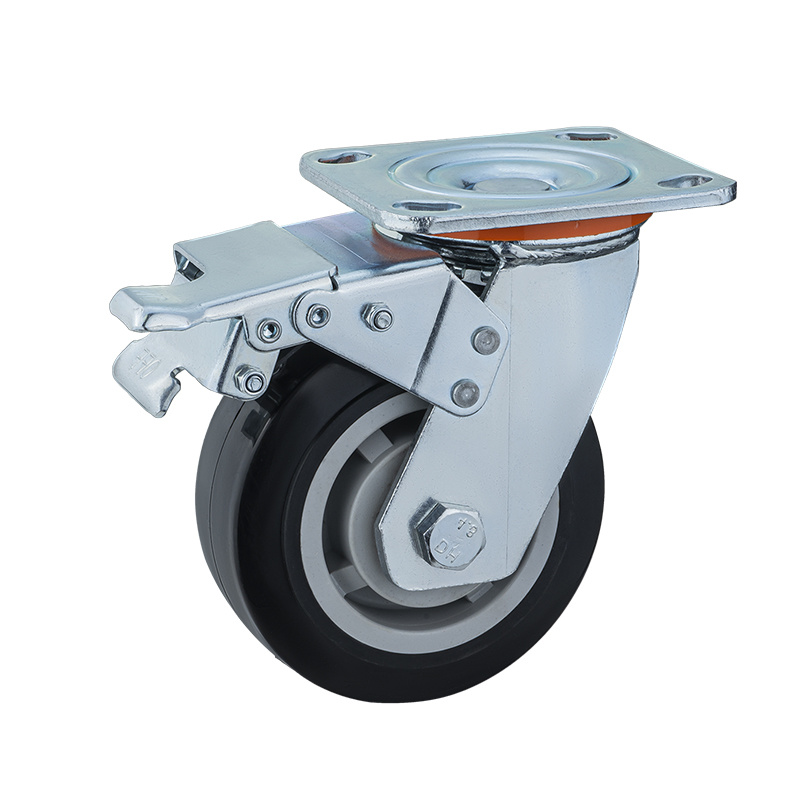
Hospitals often require equipment that is not only robust but also quiet and easy to maneuver. Heavy-duty casters designed for medical applications typically feature locking mechanisms to secure equipment in place, preventing unintended movement during procedures. Additionally, their non-marking wheels protect delicate flooring, a common concern in sterile environments.
Importance in Healthcare Settings
- **Patient Safety**: Reliable movement of equipment minimizes the risk of accidents.
- **Efficient Care Delivery**: Streamlined transport of medical tools enhances response times.
- **Floor Protection**: Non-marking wheels maintain the integrity of hospital flooring.
4. Retail and Display Fixtures
In the retail environment, heavy-duty casters are essential for **display fixtures and shelving units**. They allow retailers to easily reconfigure store layouts and showcase products effectively. The ability to move fixtures can enhance customer experience and optimize sales opportunities.
Heavy-duty casters in retail settings are often designed to be aesthetically pleasing while maintaining functionality. Retailers can choose from various styles and finishes that complement their store designs. The ease of movement enables quick changes that align with seasonal promotions, sales events, or new product launches.
Benefits for Retail Environments
- **Dynamic Store Layouts**: Flexibility in moving displays to attract customer attention.
- **Increased Sales Opportunities**: Quick reconfigurations can promote impulse purchases.
- **Durability**: Strong construction withstands constant use in busy retail spaces.
5. Food Service and Catering Equipment
In the **food service industry**, heavy-duty casters are vital for the movement of catering equipment, cooking appliances, and storage units. They facilitate the transportation of heavy items, ensuring that kitchens operate smoothly and efficiently.
Heavy-duty casters made from stainless steel or other food-safe materials are preferred in food service. This ensures hygiene and cleanliness, which are paramount in any food-related business. Additionally, these casters often feature brakes that allow operators to secure equipment in place during food preparation or service.
Advantages in Food Service Applications
- **Mobility**: Easily transport heavy equipment without straining staff.
- **Compliance**: Materials used meet health and safety standards for food preparation.
- **Stability**: Locking mechanisms ensure equipment remains secure during use.
Frequently Asked Questions
1. What are heavy-duty casters made of?
Heavy-duty casters are commonly made from materials such as polyurethane, rubber, nylon, and metals like steel or stainless steel, providing durability for various applications.
2. How do I choose the right heavy-duty casters for my needs?
Consider factors such as the load capacity, wheel material, wheel diameter, and whether you need swivel or fixed casters based on your specific application.
3. Can heavy-duty casters be used outdoors?
Yes, some heavy-duty casters are designed for outdoor use and can withstand harsh environmental conditions. Ensure you choose casters specifically rated for outdoor applications.
4. How much weight can heavy-duty casters support?
Heavy-duty casters can typically support loads ranging from 1,000 to over 5,000 pounds, depending on the specific model and design.
5. Do heavy-duty casters require maintenance?
Regular maintenance, such as lubrication and inspection for wear, is recommended to ensure optimal performance and longevity.
Conclusion
Heavy-duty casters are integral to the functionality of industrial settings, enhancing operational efficiency and safety across various applications. From material handling in warehouses to mobility in healthcare environments, these robust tools facilitate the movement of heavy loads, contributing to streamlined processes. Understanding the diverse applications and benefits of heavy-duty casters can guide businesses in making informed decisions that promote productivity and safety. By selecting the right casters for specific needs, industries can optimize their workflows, ensuring sustainable growth and success.
Key words:
RELATED NEWS
The History and Evolution of Industrial Trolley Casters: A Comprehensive Overview
2025-11-08
Ultimate Guide to Heavy Duty Leveling Casters: Enhance Stability and Mobility
2025-11-01
Innovative Designs in Low Profile Heavy Duty Casters for Modern Applications
2025-10-25

CONTACT US


No. 25 Haiwei Road,Xiaolan Town, Zhongshan City. Guangdong,China 528415

Customer message