
BLOG
Maximizing Efficiency with Industrial Casters: A Comprehensive Guide
2024-10-30
When it comes to optimizing workflows in industrial settings, the significance of industrial casters cannot be overstated. These essential components facilitate mobility and efficiency, allowing for the seamless movement of equipment, tools, and products within warehouses, factories, and workshops. Understanding the various aspects of industrial casters can help professionals make informed decisions that enhance productivity and safety.
**Types of Industrial Casters**
Industrial casters come in various types, each designed for specific applications. The most common categories include:
1. **Rigid Casters**: These fixed casters allow for straight-line movement, making them ideal for heavy machinery that requires stability. They are typically mounted on equipment that doesn't need to change directions often.
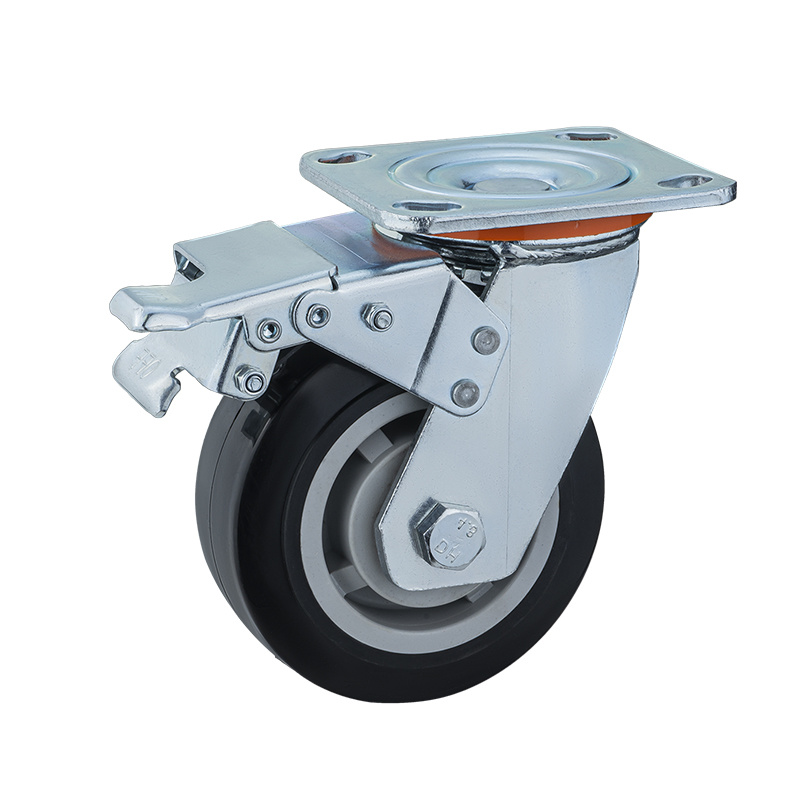
2. **Swivel Casters**: Unlike rigid casters, swivel casters can rotate 360 degrees, making them perfect for maneuverability in tight spaces. They are commonly used in carts and mobile equipment, enabling easy navigation.
3. **Locking Casters**: These casters feature a locking mechanism that prevents movement, providing stability when needed. They are essential for safety in environments where equipment might roll away unintentionally.
4. **Specialty Casters**: These include casters made from specific materials or designed for unique environments, such as those resistant to chemicals or suitable for use on uneven surfaces.
**Benefits of Industrial Casters**
Investing in quality industrial casters offers several advantages:
- **Enhanced Mobility**: Casters improve the ease of transporting heavy loads, reducing the physical strain on workers and enhancing workflow efficiency.
- **Increased Flexibility**: With the right combination of rigid and swivel casters, equipment can be moved and arranged to optimize space utilization, making operations more adaptable.
- **Safety Improvements**: Locking mechanisms prevent unintended movement, significantly reducing the risk of accidents in busy industrial settings.
- **Durability**: High-quality industrial casters can withstand significant wear and tear, ensuring longevity and reliability in demanding environments.
**Selecting the Right Industrial Casters**
When choosing industrial casters, several factors should be considered:
- **Load Capacity**: Make sure the casters can support the weight of the equipment or load they will carry.
- **Surface Compatibility**: Different caster wheels are designed for specific surfaces, so ensure they are suitable for your operational environment.
- **Environmental Conditions**: Consider factors like exposure to chemicals, temperature variations, and moisture levels that may affect the performance of the casters.
In conclusion, industrial casters are integral to enhancing efficiency and safety in various industrial applications. By understanding the different types and benefits, as well as carefully selecting the appropriate casters for your needs, you can significantly improve operational workflows and create a more productive work environment.
Key words:
RELATED NEWS
The History and Evolution of Industrial Trolley Casters: A Comprehensive Overview
2025-11-08
Ultimate Guide to Heavy Duty Leveling Casters: Enhance Stability and Mobility
2025-11-01
Innovative Designs in Low Profile Heavy Duty Casters for Modern Applications
2025-10-25

CONTACT US


No. 25 Haiwei Road,Xiaolan Town, Zhongshan City. Guangdong,China 528415

Customer message