
BLOG
Why Medium Duty Casters Are Essential for Industrial Applications
2024-10-29
Why Medium Duty Casters Are Essential for Industrial Applications
Table of Contents
1. Introduction to Medium Duty Casters
2. Understanding the Importance of Casters in Industrial Settings
2.1 Why Choose Medium Duty Casters?
2.2 Different Types of Casters: A Quick Overview
3. The Benefits of Medium Duty Casters in Operations
3.1 Enhanced Mobility and Efficiency
3.2 Increased Safety Standards
3.3 Versatility in Applications
4. Key Features to Consider When Choosing Medium Duty Casters
4.1 Load Capacity
4.2 Wheel Material
4.3 Brake Options
5. Practical Applications of Medium Duty Casters in Industries
5.1 Manufacturing and Warehousing
5.2 Healthcare Facilities
5.3 Retail Environments
6. Installation and Maintenance Tips for Longevity
7. Frequently Asked Questions (FAQs)
8. Conclusion
1. Introduction to Medium Duty Casters
Medium duty casters have emerged as a cornerstone in various industries, where the seamless movement of goods and equipment is crucial. Often designed to support loads ranging from 300 to 1,200 pounds, these casters provide a balance of strength and maneuverability. Understanding their role in industrial applications is essential for enhancing operational efficiency.
2. Understanding the Importance of Casters in Industrial Settings
In industrial environments, the efficient transportation of materials and equipment is paramount. Casters serve as the wheels that facilitate this movement, allowing for quick adjustments and safe transportation.
2.1 Why Choose Medium Duty Casters?
Medium duty casters are ideal for applications where heavy loads are common, but extreme durability of heavy-duty casters is not necessary. They are robust enough to handle various tasks without compromising mobility.
2.2 Different Types of Casters: A Quick Overview
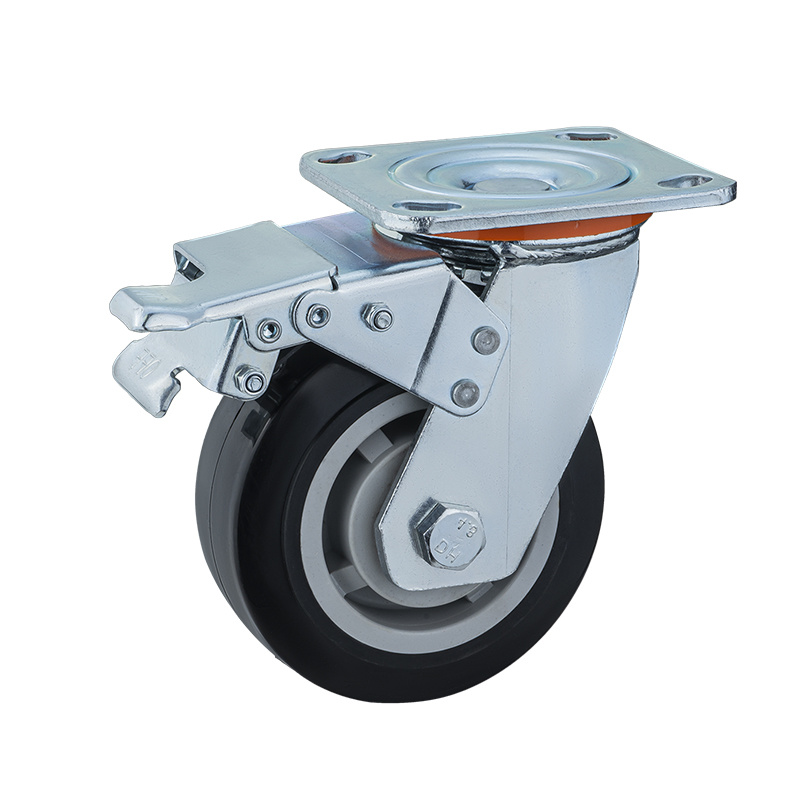
Casters come in various types, including rigid, swivel, and locking casters. Each type serves a unique purpose, depending on the movement and stability requirements.
3. The Benefits of Medium Duty Casters in Operations
Employing medium duty casters in your operations offers a range of benefits, significantly impacting efficiency and safety.
3.1 Enhanced Mobility and Efficiency
By allowing for easy maneuvering of heavy equipment and materials, medium duty casters streamline workflows. This mobility reduces the time and effort required for moving items, thereby increasing productivity.
3.2 Increased Safety Standards
Safety is a top priority in any industrial setting. Medium duty casters are designed with features that enhance stability, significantly reducing the risk of accidents and injuries when moving heavy loads.
3.3 Versatility in Applications
These casters can be utilized in a wide range of settings, from factories to hospitals. Their versatility makes them an invaluable asset in various industries, ensuring that operations can adapt to changing requirements.
4. Key Features to Consider When Choosing Medium Duty Casters
Selecting the right medium duty casters requires careful consideration of specific features to ensure they meet your operational needs.
4.1 Load Capacity
Understanding the load capacity is crucial. Medium duty casters typically handle loads between 300 to 1,200 pounds. Evaluating your specific needs will help in choosing the right capacity.
4.2 Wheel Material
The material of the wheel affects durability and performance. Common materials include rubber, polyurethane, and nylon, each offering different benefits in terms of floor protection, noise reduction, and chemical resistance.
4.3 Brake Options
Brakes provide additional safety and control. Casters with total locking brakes can prevent unwanted movement, which is particularly beneficial in high-traffic areas or on inclines.
5. Practical Applications of Medium Duty Casters in Industries
Medium duty casters find applications in various sectors, each requiring specific features for optimal performance.
5.1 Manufacturing and Warehousing
In manufacturing settings, medium duty casters assist in the easy transportation of heavy machinery and raw materials, streamlining production lines and reducing downtime.
5.2 Healthcare Facilities
Hospitals and clinics utilize medium duty casters for trolleys and equipment carts, ensuring that medical supplies can be moved efficiently and safely between departments.
5.3 Retail Environments
In retail, medium duty casters are essential for display cases and inventory carts. Their mobility allows for easy rearrangement of store layouts, enhancing customer experience and operational efficiency.
6. Installation and Maintenance Tips for Longevity
To maximize the lifespan of your medium duty casters, proper installation and regular maintenance are essential. Always ensure that they are secured properly and check for any signs of wear and tear periodically. Lubrication of moving parts can also help maintain performance and prevent rust.
7. Frequently Asked Questions (FAQs)
What is the maximum load capacity of medium duty casters?
Medium duty casters typically support loads between 300 to 1,200 pounds, making them suitable for a variety of applications.
How do I determine the right caster for my needs?
Evaluate the load capacity, wheel material, and any special features like brakes needed based on your specific operational requirements.
Can medium duty casters be used outdoors?
Yes, but ensure that the wheel material is suitable for outdoor conditions to prevent deterioration.
What maintenance do medium duty casters require?
Regularly inspect for wear, ensure tight fittings, and lubricate moving parts to extend their lifespan.
Are there any safety standards for using casters in industrial settings?
Yes, compliance with safety regulations is crucial. Ensure that all equipment meets applicable standards and is regularly inspected.
8. Conclusion
In conclusion, medium duty casters play an indispensable role in enhancing efficiency, safety, and mobility across various industrial applications. Their ability to manage substantial loads while providing flexibility makes them a critical component in countless operations. By understanding their features, practical applications, and maintenance requirements, businesses can harness the full potential of medium duty casters, leading to improved productivity and operational success.
Key words:
RELATED NEWS
The History and Evolution of Industrial Trolley Casters: A Comprehensive Overview
2025-11-08
Ultimate Guide to Heavy Duty Leveling Casters: Enhance Stability and Mobility
2025-11-01
Innovative Designs in Low Profile Heavy Duty Casters for Modern Applications
2025-10-25

CONTACT US


No. 25 Haiwei Road,Xiaolan Town, Zhongshan City. Guangdong,China 528415

Customer message