
BLOG
Understanding Heavy Duty Industrial Casters: Essential Components for Your Business
2024-10-22
When it comes to heavy-duty industrial casters, understanding their significance and functionality can greatly enhance your operational efficiency. These specialized wheels are designed to support substantial loads and endure demanding environments, making them essential for various industries, including manufacturing, warehousing, and logistics.
Heavy-duty industrial casters are constructed to handle weights that standard casters cannot manage. They typically feature robust materials such as high-grade steel or reinforced polymers, enabling them to withstand harsh conditions, including exposure to chemicals, extreme temperatures, and heavy impact. This durability not only prolongs the lifespan of the caster but also ensures safety in workplaces where heavy loads are frequently moved.
One of the primary advantages of using heavy-duty industrial casters is their ability to improve mobility. By equipping machinery, carts, and equipment with these casters, businesses can easily relocate heavy items without the risk of damaging floors or straining employees. This increased mobility can lead to enhanced productivity, as workers can transport materials and equipment swiftly, reducing the time spent on manual handling.
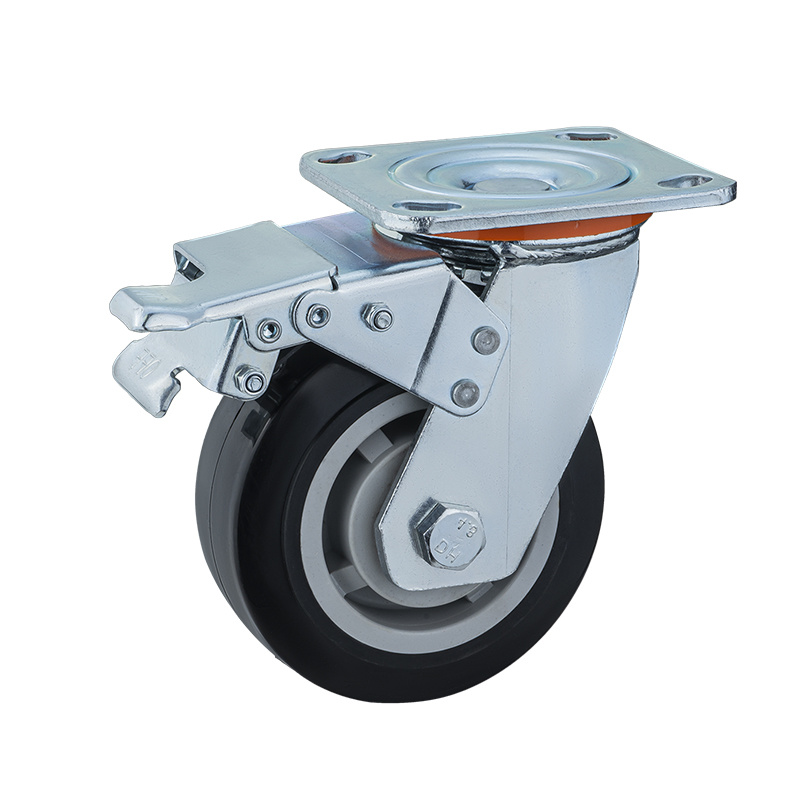
Additionally, heavy-duty industrial casters often come with features that enhance performance. For instance, some models are equipped with swivel capabilities, allowing for greater maneuverability in tight spaces. Others may include locking mechanisms to ensure stability when stationary. Selecting casters with appropriate wheel size and tread patterns is crucial, as these factors contribute to load distribution and ease of movement, especially on uneven surfaces.
When choosing heavy-duty industrial casters, it’s essential to consider the specific requirements of your application. Factors such as load capacity, wheel material, and environmental conditions should guide your decision-making process. For instance, if your operations involve exposure to moisture or chemicals, opting for corrosion-resistant materials would be beneficial. Likewise, if you require quiet movement, polyurethane wheels may be preferable over metal ones, as they minimize noise during operation.
Regular maintenance of heavy-duty industrial casters is also vital to ensure optimal performance and longevity. Periodic inspections for wear and tear, lubrication of moving parts, and checking for debris accumulation can prevent malfunctions and costly downtime. By prioritizing maintenance, businesses can maximize their investment in these critical components.
In conclusion, heavy-duty industrial casters play a pivotal role in enhancing efficiency and safety in various industrial applications. Understanding their features, benefits, and maintenance can significantly impact operations, making them a worthwhile consideration for any business looking to improve its logistics and workflow processes. When selected and maintained correctly, these casters not only facilitate movement but also contribute to a safer and more productive work environment.
Key words:
RELATED NEWS
The History and Evolution of Industrial Trolley Casters: A Comprehensive Overview
2025-11-08
Ultimate Guide to Heavy Duty Leveling Casters: Enhance Stability and Mobility
2025-11-01
Innovative Designs in Low Profile Heavy Duty Casters for Modern Applications
2025-10-25

CONTACT US


No. 25 Haiwei Road,Xiaolan Town, Zhongshan City. Guangdong,China 528415

Customer message