
BLOG
Understanding the Benefits of Heavy Duty Casters for Your Business: A Comprehensive Guide
2024-10-21
Understanding the Benefits of Heavy Duty Casters for Your Business
When it comes to optimizing workflow and efficiency in any business environment, the importance of choosing the right equipment cannot be overstated. One vital component that plays a crucial role in this equation is heavy-duty casters. These robust wheels support a variety of equipment, from industrial carts to furniture, and their benefits extend far beyond simple mobility. In this guide, we delve into the numerous advantages that heavy-duty casters provide for businesses, ensuring you understand their potential to enhance your operations.
Table of Contents
- What Are Heavy Duty Casters?
- Advantages of Heavy Duty Casters in Business
- Types of Heavy Duty Casters
- How to Choose the Right Heavy Duty Casters
- Applications of Heavy Duty Casters Across Industries
- Installation and Maintenance Tips for Heavy Duty Casters
- Frequently Asked Questions
- Conclusion
What Are Heavy Duty Casters?
Heavy-duty casters are specialized wheels designed to support substantial loads while maintaining high levels of mobility. Typically constructed from durable materials such as polyurethane, rubber, or metal, these casters are engineered for a multitude of applications in industrial, commercial, and institutional settings. They come in various designs, including swivel and rigid types, to suit different operating needs.
Advantages of Heavy Duty Casters in Business
Heavy-duty casters offer a variety of advantages that can significantly impact the efficiency and safety of your operations. Let’s explore these benefits in detail.
Increased Mobility and Efficiency
One of the primary benefits of heavy-duty casters is their ability to enhance mobility. Heavy-duty casters allow for smooth and easy movement of heavy equipment, making it simple to relocate items from one area to another quickly. This increased mobility leads to improved workflow and efficiency, minimizing downtime and maximizing productivity.
Superior Load Capacity
Heavy-duty casters are designed to support substantial weights, often accommodating loads ranging from several hundred to several thousand pounds. This high load capacity ensures that businesses can transport heavy machinery, tools, and materials without the risk of damage or failure. Investing in quality heavy-duty casters can lead to long-term cost savings by reducing the need for frequent replacements.
Enhanced Safety Features
Safety is paramount in any business environment, and heavy-duty casters contribute significantly to workplace safety. Many models come equipped with braking systems that prevent accidental movement, ensuring that equipment remains securely in place during use. Additionally, the design of heavy-duty casters minimizes the risk of tipping or instability, further enhancing safety in the workplace.
Types of Heavy Duty Casters
Understanding the different types of heavy-duty casters available will better equip you to select the right ones for your specific needs. The most common types include:
Rigid Casters
Rigid casters, also known as fixed casters, only allow for straight-line movement. They are ideal for applications where stability is crucial, such as when moving heavy machinery. However, they require more manual effort to maneuver around corners.
Swivel Casters
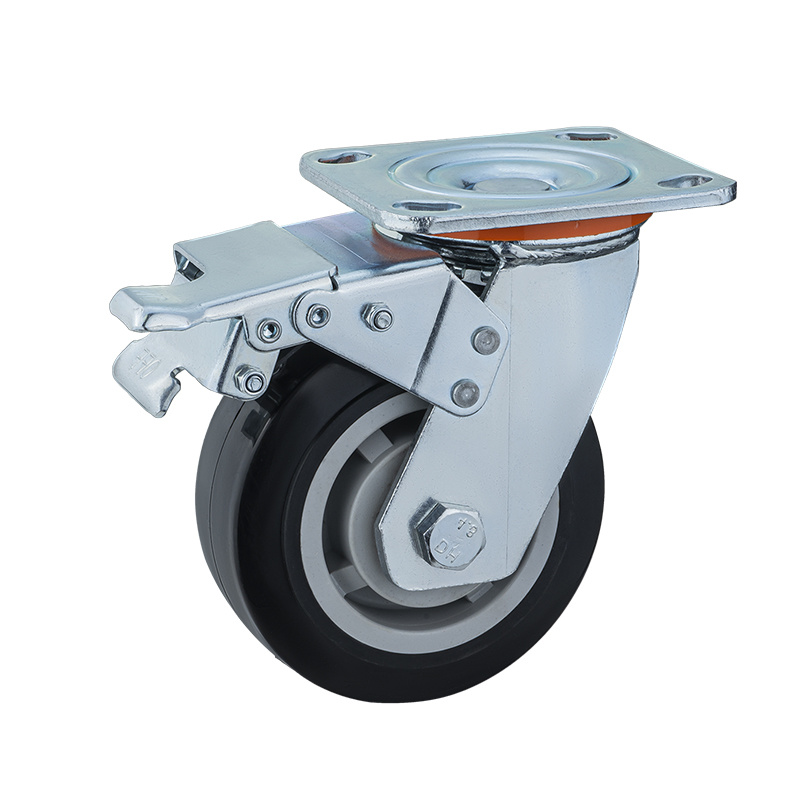
Swivel casters offer 360-degree movement, making them perfect for navigating tight spaces. They can pivot in any direction, allowing for smooth and agile movement. In many setups, a combination of swivel and rigid casters is used to balance mobility and stability.
Brake Casters
Brake casters come equipped with a locking mechanism that secures them in place when not in use. This feature enhances safety by preventing unwanted movement, particularly on sloped or uneven surfaces. Businesses that frequently move heavy loads can benefit significantly from brake casters.
How to Choose the Right Heavy Duty Casters
Selecting the appropriate heavy-duty casters for your business involves several considerations. Here are key factors to evaluate:
- Load Capacity: Ensure that the casters can support the weight of the items being transported.
- Material: Choose materials based on the environment. For example, rubber casters are ideal for indoor use, while metal casters may be necessary for outdoor applications.
- Wheel Size: Larger wheels can navigate rough terrain more easily, while smaller wheels are suitable for smooth surfaces.
- Type of Movement: Determine whether you need rigid, swivel, or a combination of both types based on your operational needs.
- Braking Systems: Consider if you need casters with braking mechanisms for added safety.
Applications of Heavy Duty Casters Across Industries
Heavy-duty casters find applications across a variety of industries, each benefiting from their mobility and load-bearing capabilities. Some common applications include:
- Manufacturing: Heavy-duty casters assist in moving heavy equipment and materials along production lines.
- Healthcare: In hospitals, heavy-duty casters are essential for transporting medical equipment and supplies efficiently.
- Warehousing: In warehouses, these casters facilitate the easy movement of inventory and heavy pallets.
- Retail: Retail environments use heavy-duty casters for shopping carts and display fixtures to enhance customer experience.
- Food Service: Restaurants and catering companies utilize heavy-duty casters for moving bulk food supplies and heavy kitchen equipment.
Installation and Maintenance Tips for Heavy Duty Casters
To ensure your heavy-duty casters perform optimally, proper installation and maintenance are essential. Here are some tips:
- Installation: Follow manufacturer guidelines when installing heavy-duty casters. Ensure that they are securely attached and correctly aligned to the equipment.
- Regular Inspections: Conduct regular inspections to identify any wear or damage. Replace casters that show signs of excessive wear.
- Lubrication: Periodically lubricate the swivel mechanisms of your casters to ensure smooth operation.
- Cleaning: Keep the casters clean and free from debris to prevent premature wear.
Frequently Asked Questions
1. What is the difference between heavy-duty casters and standard casters?
Heavy-duty casters are designed to support much larger loads and are constructed from more durable materials compared to standard casters. They are suitable for industrial environments and heavy equipment.
2. Can heavy-duty casters be used on all surfaces?
While many heavy-duty casters are versatile, the suitability for different surfaces depends on the wheel material. Rubber wheels are suitable for smooth surfaces, while polyolefin or metal wheels may be better for rough terrain.
3. Do heavy-duty casters require maintenance?
Yes, regular maintenance such as lubrication and inspections are essential to ensure the longevity and proper performance of heavy-duty casters.
4. How do I determine the correct load capacity for my casters?
To determine the correct load capacity, consider the combined weight of the items that will be moved, and choose casters with a load rating higher than that value for safety and durability.
5. Are there specific casters for outdoor use?
Yes, certain casters are designed for outdoor use and are made from weather-resistant materials to withstand harsher environments. Always check the manufacturer's specifications for outdoor suitability.
Conclusion
In conclusion, heavy-duty casters are essential components that can significantly enhance the efficiency, safety, and productivity of your business operations. Understanding their benefits, types, and applications will empower you to make informed decisions that optimize your workflow. By investing in high-quality heavy-duty casters and ensuring proper installation and maintenance, your business can achieve smoother operations and improved outcomes.
Key words:
RELATED NEWS
The History and Evolution of Industrial Trolley Casters: A Comprehensive Overview
2025-11-08
Ultimate Guide to Heavy Duty Leveling Casters: Enhance Stability and Mobility
2025-11-01
Innovative Designs in Low Profile Heavy Duty Casters for Modern Applications
2025-10-25

CONTACT US


No. 25 Haiwei Road,Xiaolan Town, Zhongshan City. Guangdong,China 528415

Customer message