
BLOG
Maximizing Efficiency with Industrial Casters: A Comprehensive Guide
2024-10-20
When it comes to enhancing mobility in various industrial environments, industrial casters play a pivotal role. These versatile components are designed to facilitate the movement of heavy equipment, tools, and machinery, making them indispensable in manufacturing, warehousing, and logistics. Understanding the characteristics and types of industrial casters can significantly impact the efficiency and safety of your operations.
Types of Industrial Casters
Industrial casters come in several types, each suited for specific applications. The main categories include:
1. Fixed Casters: These casters are designed to move in a straight line. They provide stability for equipment that does not require maneuverability. Fixed casters are ideal for heavy machinery or static storage units.
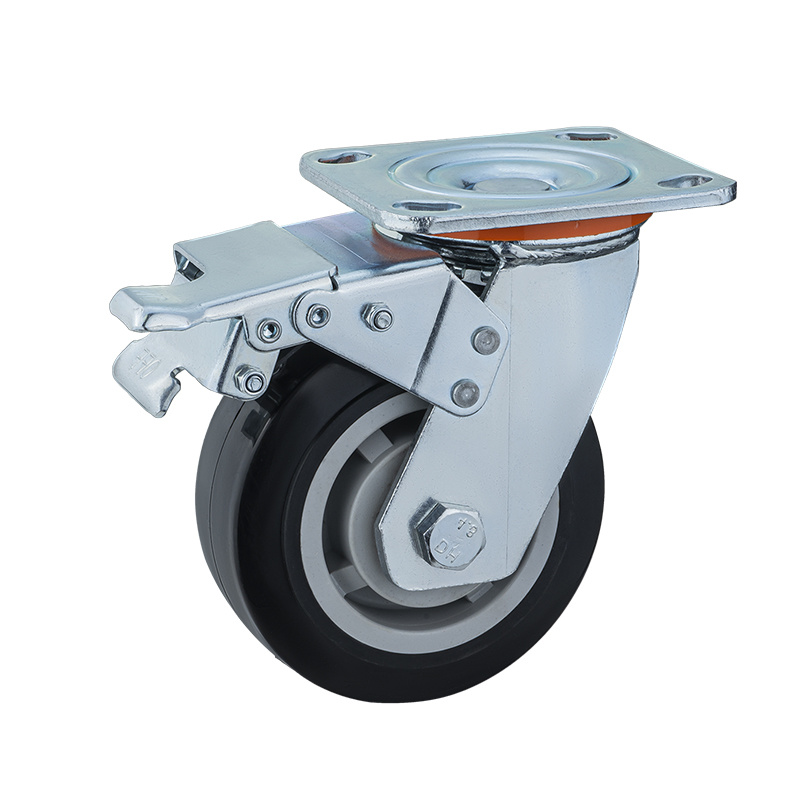
2. Swivel Casters: Offering greater maneuverability, swivel casters can rotate 360 degrees. This flexibility makes them perfect for trolleys, carts, and mobile workstations that require frequent directional changes.
3. Brake Casters: Incorporating a braking mechanism, these casters ensure that equipment remains stationary when needed. This feature is crucial for safety, particularly when dealing with heavy loads.
4. Specialty Casters: Tailored for specific industrial applications, these casters may include features like anti-static properties, heat resistance, or larger wheels for uneven surfaces. Selecting the right specialty caster can greatly enhance operational efficiency.
Material Considerations
The material of the caster wheel is another critical factor. Common materials include:
- Rubber: Ideal for reducing noise and protecting floors, rubber wheels are perfect for indoor use on smooth surfaces.
- Polyurethane: These wheels combine durability with floor protection, making them suitable for both indoor and outdoor applications.
- Metal: For high-load applications, metal wheels offer unmatched strength and durability but may not be suitable for all floor types due to potential damage.
Benefits of Using Industrial Casters
Incorporating the right industrial casters can result in a range of benefits. First and foremost, they enhance productivity by allowing for smoother movement of equipment, thus reducing the time and effort needed for manual handling. Moreover, the right casters contribute to workplace safety by minimizing the risk of accidents caused by heavy lifting or unstable equipment.
Additionally, the adaptability of industrial casters means they can be utilized in various settings, from assembly lines to storage facilities. This versatility not only streamlines logistics but also allows for easy reconfiguration of workspaces as needed.
Conclusion
In summary, selecting the appropriate industrial caster is critical for improving operational efficiency and ensuring safety in industrial settings. With various types and materials available, understanding their features can aid professionals in making informed decisions that meet their specific needs. By investing in high-quality casters, businesses can enhance mobility, productivity, and overall workplace safety, leading to a more efficient operation.
Key words:
RELATED NEWS
The History and Evolution of Industrial Trolley Casters: A Comprehensive Overview
2025-11-08
Ultimate Guide to Heavy Duty Leveling Casters: Enhance Stability and Mobility
2025-11-01
Innovative Designs in Low Profile Heavy Duty Casters for Modern Applications
2025-10-25

CONTACT US


No. 25 Haiwei Road,Xiaolan Town, Zhongshan City. Guangdong,China 528415

Customer message