
BLOG
How Heavy Duty Casters Enhance Workplace Efficiency and Productivity
2024-11-20
How Heavy Duty Casters Improve Workplace Efficiency
In the fast-paced world of modern industry, maintaining operational efficiency is paramount. One often-overlooked yet vital component in achieving this goal is the use of heavy-duty casters. These sturdy, versatile wheels facilitate smooth movement of equipment and materials, significantly enhancing workplace productivity. This article delves into the myriad ways heavy-duty casters improve workplace efficiency, examining their features, benefits, and specific applications.
Understanding Heavy Duty Casters
Heavy-duty casters are specially designed wheels that support substantial weights and endure rigorous conditions. They are essential in various settings, including warehouses, manufacturing plants, and hospitals. By providing mobility, these casters streamline operations, making it easier to transport heavy loads with minimal effort.
What Are Heavy Duty Casters?
Heavy-duty casters are wheels that can bear loads exceeding 1,200 pounds. They are engineered with durable materials, such as rubber, polyurethane, or metal, enabling them to withstand heavy usage without compromising performance. These casters come in various sizes and designs, catering to different industrial needs.
Key Features of Heavy Duty Casters
- Load Capacity: Heavy-duty casters can handle significant weight, making them ideal for transporting heavy machinery and materials.
- Durability: Constructed from high-quality materials, these casters resist wear and tear over time.
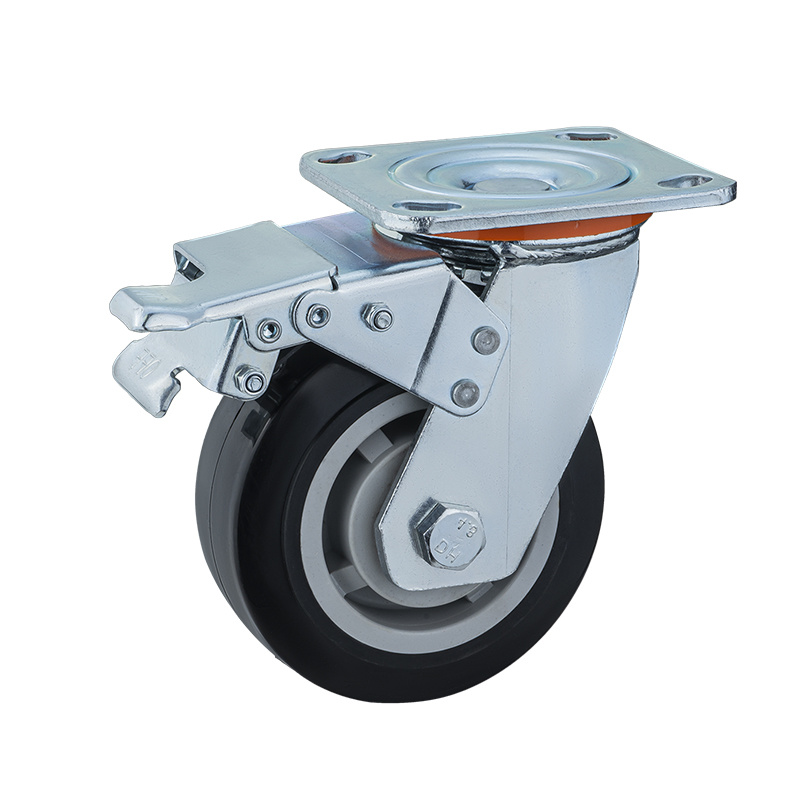
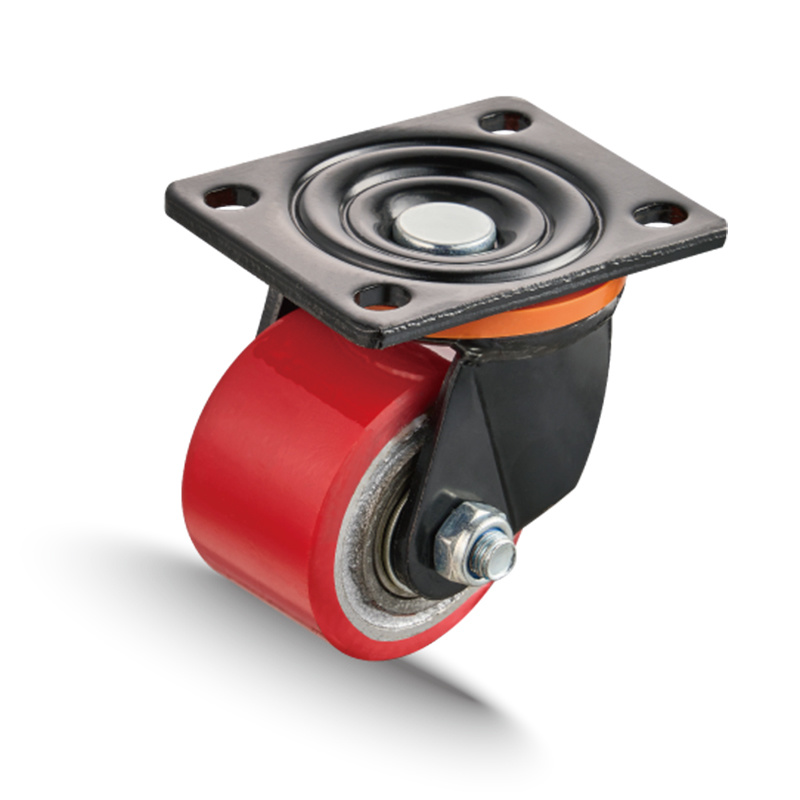
- Swivel and Rigid Options: Heavy-duty casters can be designed as swivel or rigid, allowing for greater maneuverability or stability based on specific requirements.
- Brake Systems: Many heavy-duty casters come with integrated brakes, providing security and control when stationary.
- Noise Reduction: Certain designs focus on noise reduction, ensuring a quieter working environment.
The Impact of Heavy Duty Casters on Workplace Efficiency
Investing in heavy-duty casters can drastically improve workplace efficiency. Here are several ways they contribute to increased productivity.
1. Enhanced Mobility
Heavy-duty casters allow for easy movement of heavy loads across various surfaces. This mobility reduces the time and effort required to transport materials, leading to faster completion of tasks. Employees can quickly move equipment to the necessary locations, minimizing downtime and facilitating a more streamlined workflow.
2. Reduced Physical Strain on Employees
Manual handling of heavy items can lead to fatigue and workplace injuries. By utilizing heavy-duty casters, businesses can significantly reduce the physical strain on employees. This not only promotes a safer working environment but also enhances overall employee morale and productivity.
3. Versatile Applications Across Industries
Heavy-duty casters find applications in various industries, including manufacturing, healthcare, and logistics. Their versatility means that they can be used in numerous scenarios, from transporting heavy machinery to moving medical equipment within hospitals. This adaptability further strengthens their contribution to efficiency.
Case Study: Heavy Duty Casters in Manufacturing
In a manufacturing environment, heavy-duty casters are crucial for moving parts between different assembly stations. By implementing these casters, a facility reported a 30% reduction in time spent transporting materials. This efficiency gain allowed for quicker production cycles and increased output.
Choosing the Right Heavy Duty Casters
While the benefits of heavy-duty casters are clear, selecting the appropriate type for your specific needs is essential. Consider the following factors:
1. Load Capacity Requirements
Identify the maximum load that your casters will need to support. Choose casters with a load capacity that exceeds this weight to ensure durability and longevity.
2. Wheel Material
The material of the wheels affects their performance on different surfaces. Rubber wheels offer excellent grip and shock absorption, while polyurethane wheels are more resistant to wear and tear.
3. Type of Caster: Swivel vs. Rigid
Decide whether you need swivel casters for maneuverability or rigid casters for stability. A combination of both is often beneficial, allowing for flexibility while maintaining control.
4. Environment Considerations
Consider the environment where the casters will be used. For instance, outdoor settings require weather-resistant materials, while sterile environments like hospitals necessitate easy-to-clean surfaces.
Maintenance Tips for Heavy Duty Casters
To ensure the longevity and optimal performance of heavy-duty casters, regular maintenance is crucial. Here are some tips:
1. Routine Inspections
Conduct periodic inspections to check for wear and tear, ensuring that all components function correctly.
2. Lubrication
Regularly lubricate the swivel mechanisms to prevent stiffness and ensure smooth movement.
3. Cleaning
Keep the casters clean from debris and dirt that can impede functionality and cause damage over time.
4. Replacement of Worn Parts
Replace any worn-out components promptly to maintain the efficiency and safety of the equipment.
Environmental Benefits of Using Heavy Duty Casters
In addition to improving workplace efficiency, heavy-duty casters also have environmental benefits.
1. Reducing Energy Consumption
Efficient movement of heavy loads minimizes energy consumption, as machines operate more smoothly and require less power.
2. Promoting Recycling and Reusability
By facilitating the easy movement of recyclable materials, heavy-duty casters contribute to sustainable practices within industries.
3. Lowering Waste
Durable casters mean fewer replacements, reducing waste and contributing to a more sustainable business model.
Frequently Asked Questions (FAQs)
1. What is the difference between heavy-duty casters and regular casters?
Heavy-duty casters are designed for significantly heavier loads and more rigorous use compared to regular casters, which are suitable for lighter applications.
2. How do I know what load capacity I need for heavy-duty casters?
Calculate the total weight of the items you will be moving and choose casters with a load capacity that exceeds this weight to ensure safety and efficiency.
3. Can heavy-duty casters be used on uneven surfaces?
Yes, depending on the design, many heavy-duty casters are equipped to handle uneven surfaces, providing stability and maneuverability.
4. Are brakes necessary on heavy-duty casters?
Brakes can enhance safety by preventing unwanted movement when the equipment is stationary, making them a valuable feature in many applications.
5. How often should heavy-duty casters be maintained?
Regular inspections should be performed every few months, with lubrication and cleaning as needed to ensure optimal performance.
Conclusion
Heavy-duty casters are more than just wheels; they are essential components that significantly improve workplace efficiency. By facilitating the seamless movement of heavy loads, reducing physical strain on employees, and promoting safety, these casters enhance productivity across various industries. Investing in high-quality heavy-duty casters not only boosts operational efficiency but also contributes to a sustainable work environment. As businesses continue to seek ways to optimize their processes, the role of heavy-duty casters will undoubtedly remain pivotal.
Key words:
RELATED NEWS
The History and Evolution of Industrial Trolley Casters: A Comprehensive Overview
2025-11-08
Ultimate Guide to Heavy Duty Leveling Casters: Enhance Stability and Mobility
2025-11-01
Innovative Designs in Low Profile Heavy Duty Casters for Modern Applications
2025-10-25

CONTACT US


No. 25 Haiwei Road,Xiaolan Town, Zhongshan City. Guangdong,China 528415

Customer message