
BLOG
Understanding Market Trolley Casters: Essential Components for Mobility
2025-06-28
When it comes to market trolley casters, it's essential to understand their role in the efficient movement of goods. Casters are the wheels attached to the bottom of carts or trolleys, allowing for easy maneuverability across different surfaces. Proper selection and maintenance of these casters can significantly impact the performance and longevity of market trolleys.
One of the primary considerat
When it comes to market trolley casters, it's essential to understand their role in the efficient movement of goods. Casters are the wheels attached to the bottom of carts or trolleys, allowing for easy maneuverability across different surfaces. Proper selection and maintenance of these casters can significantly impact the performance and longevity of market trolleys.
One of the primary considerations when selecting market trolley casters is the material. Casters can be made from a variety of materials, each suited for different environments. For instance, rubber casters are excellent for smooth surfaces and provide a quieter operation, while harder materials like polyurethane are better for tougher surfaces, offering resistance to wear and tear. Understanding the surface on which the trolley will operate is crucial for making the right choice.
Another important factor is the load capacity. Each caster is designed to support a specific weight, and exceeding this limit can lead to premature wear or failure. When choosing market trolley casters, always check the weight rating to ensure they can handle the intended load. This not only ensures safety but also enhances the efficiency of operations.
Swivel casters and rigid casters are the two main types used in market trolleys. Swivel casters allow for 360-degree rotation, enabling easier navigation around corners and tight spaces. On the other hand, rigid casters provide stability and are typically used in conjunction with swivel casters to create a balanced trolley that can be easily controlled while maximizing load capacity.
Maintenance of market trolley casters is often overlooked but is essential for optimal performance. Regularly checking for signs of wear, ensuring that the wheels rotate freely, and cleaning any debris that may hinder movement can prolong the life of the casters. Additionally, lubricating the bearings can enhance smooth operation, particularly in high-use scenarios.
Market trolley casters not only enhance mobility but also contribute to workplace safety. By facilitating the easy transport of goods, they reduce the risk of accidents that might occur from carrying heavy loads manually. Investing in high-quality casters can lead to improved efficiency, reduced strain on employees, and better overall workflow in any commercial setting.
In summary, understanding market trolley casters is crucial for anyone involved in the handling and transportation of goods. By selecting the right materials, considering load capacities, and performing regular maintenance, you can ensure that your trolleys operate smoothly and safely. Whether in a retail environment, warehouse, or any place requiring mobile solutions, the right casters can make a significant difference in your day-to-day operations.
Key words:
RELATED NEWS
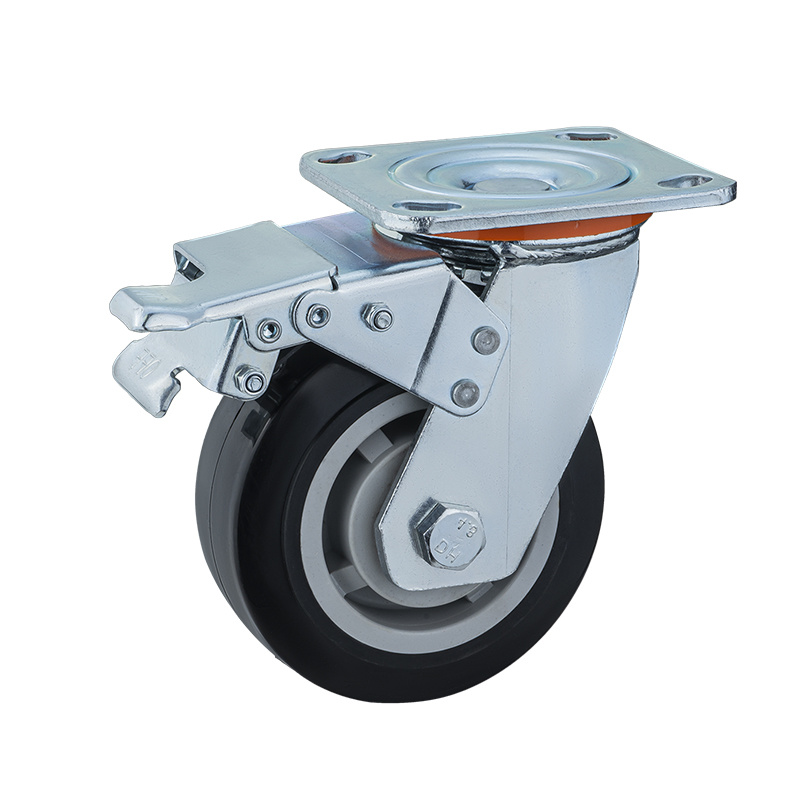
The History and Evolution of Industrial Trolley Casters: A Comprehensive Overview
2025-11-08
The History and Evolution of Industrial Trolley Casters
Introduction to Industrial Trolley Casters
Industrial trolley casters are essential components that facilitate the movement of heavy loads across various industries. From manufacturing to warehousing, these small yet vital tools play a significant role in enhancing efficiency and productivity. Understanding the history and evolution of indust
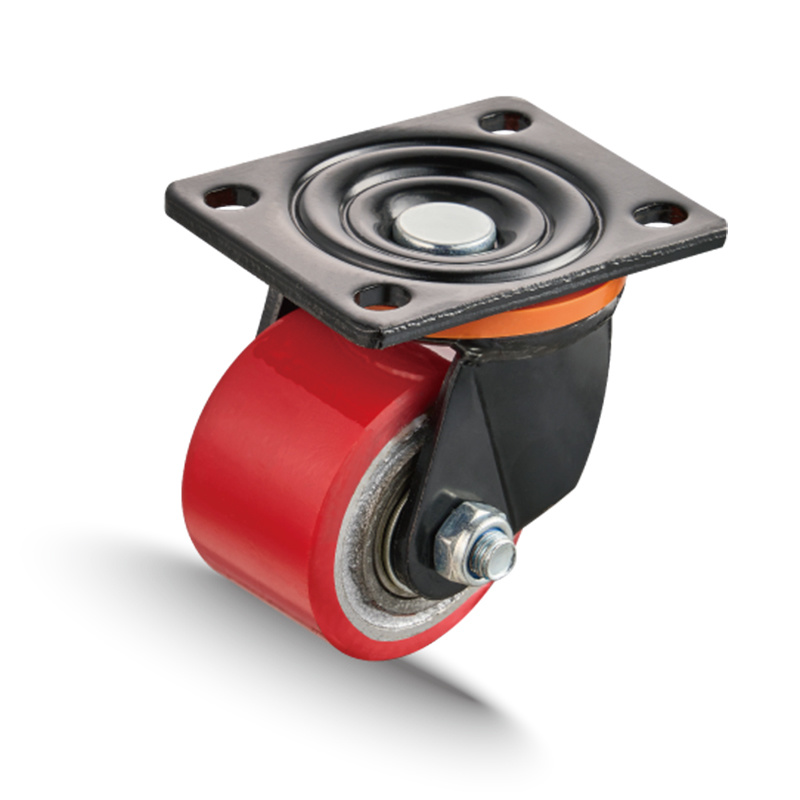
Ultimate Guide to Heavy Duty Leveling Casters: Enhance Stability and Mobility
2025-11-01
When it comes to enhancing the mobility and stability of heavy equipment and furniture, heavy duty leveling casters are an indispensable solution. These robust accessories are designed to support substantial weight while allowing for easy maneuverability. Whether used in industrial settings, workshops, or even in home environments, the right leveling casters can make a significant difference in ef
Innovative Designs in Low Profile Heavy Duty Casters for Modern Applications
2025-10-25
Innovative Designs in Low Profile Heavy Duty Casters for Modern Applications
Table of Contents
Introduction to Low Profile Heavy Duty Casters
Key Features of Modern Low Profile Casters
Design Innovations Shaping the Future
Materials Used in the Manufacturing of Casters
Applications in Various Industries
Benefits of Low Profile Heavy Duty Casters
Maint

CONTACT US


No. 25 Haiwei Road,Xiaolan Town, Zhongshan City. Guangdong,China 528415

Customer message